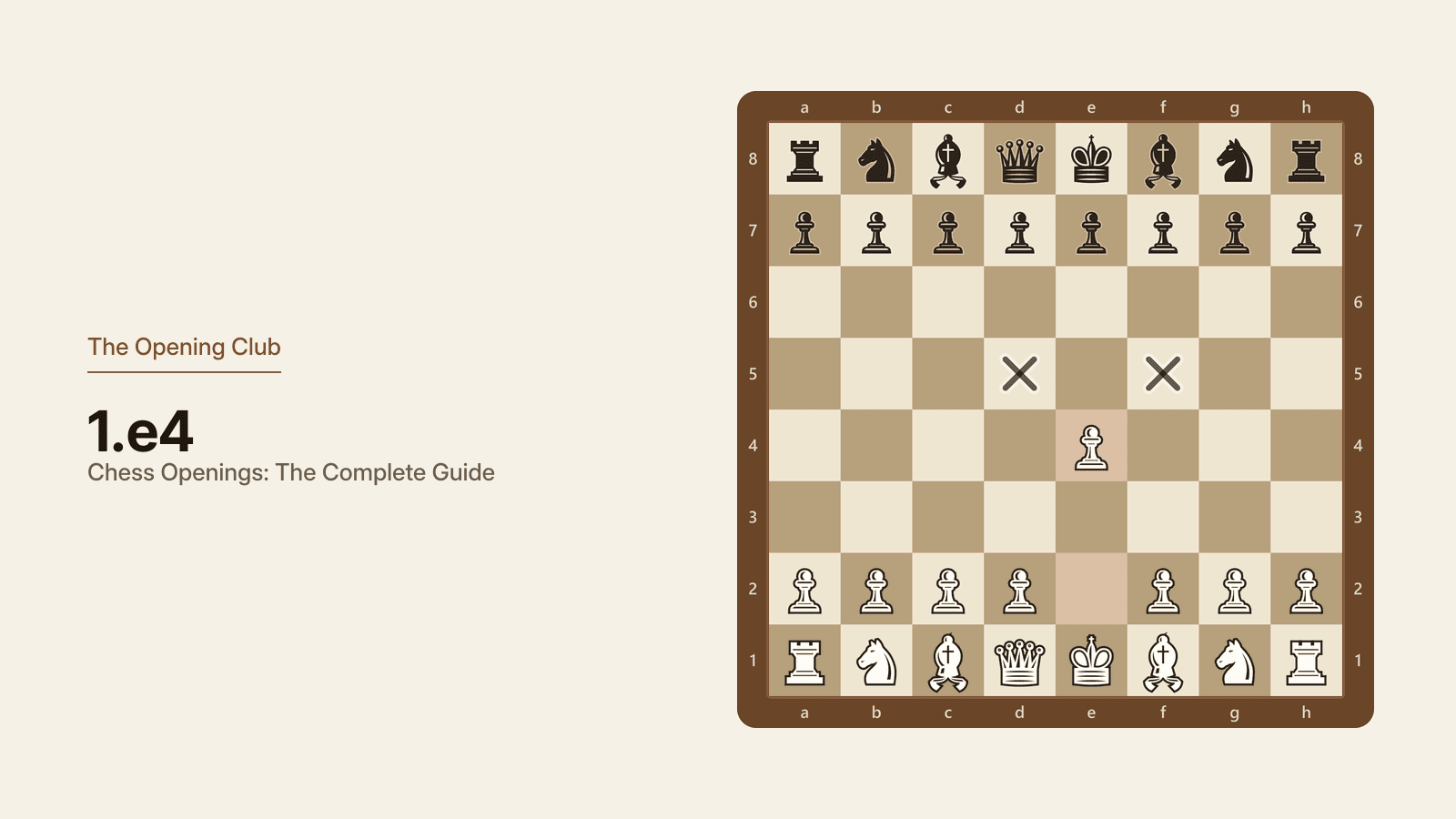
A chess opening is the first phase of a game, roughly the first ten to fifteen moves, where both players develop their pieces, fight for the central squares, and get their kings to safety. Named chess openings are just move sequences played often enough to earn a label, like the Sicilian Defense or the London System.
That definition is deliberately dull, because the opening gets sold to improving players as something much scarier: a memorisation contest you are already losing. It is not. Below is what an opening actually is, the handful of principles that decide most club games, the main families after 1.e4 and 1.d4, and how much theory a player under 1800 really needs. Every line of notation here comes with a diagram, so you never have to hold a move sequence in your head.
What counts as an opening, and when it ends
There is no move number where the opening stops and the middlegame starts. The practical test is simple: you are still in the opening while your moves are about arriving, developing pieces, castling, connecting rooks, and claiming space. Once you are making a plan against a specific weakness in your opponent's position, you are in the middlegame.
Two words you will meet immediately. A transposition is when two different move orders arrive at the same position, which is why a game that starts 1.d4 can end up in a position from 1.c4. A variation is a named branch inside a named opening, like the Najdorf inside the Sicilian.
Openings are catalogued in the Encyclopaedia of Chess Openings, which splits everything into five volumes and 500 codes running from A00 to E99. That number tells you something useful: the named-opening space is large but finite, and the slice of it you will meet in online rapid games is far smaller than 500. If notation itself is still slow going, start with our guide to chess notation, and the full list of opening names is the reference for anything you meet and cannot identify.
Three principles do most of the work
Before any named opening, there are three ideas that generate good moves on their own.
Control the centre. The four central squares (d4, e4, d5, e5) touch more of the board than anything on the edge, and a piece placed there hits more squares. This is why 1.e4 and 1.d4 are the two most common first moves: they occupy a central square and open lines for a bishop and the queen at once.
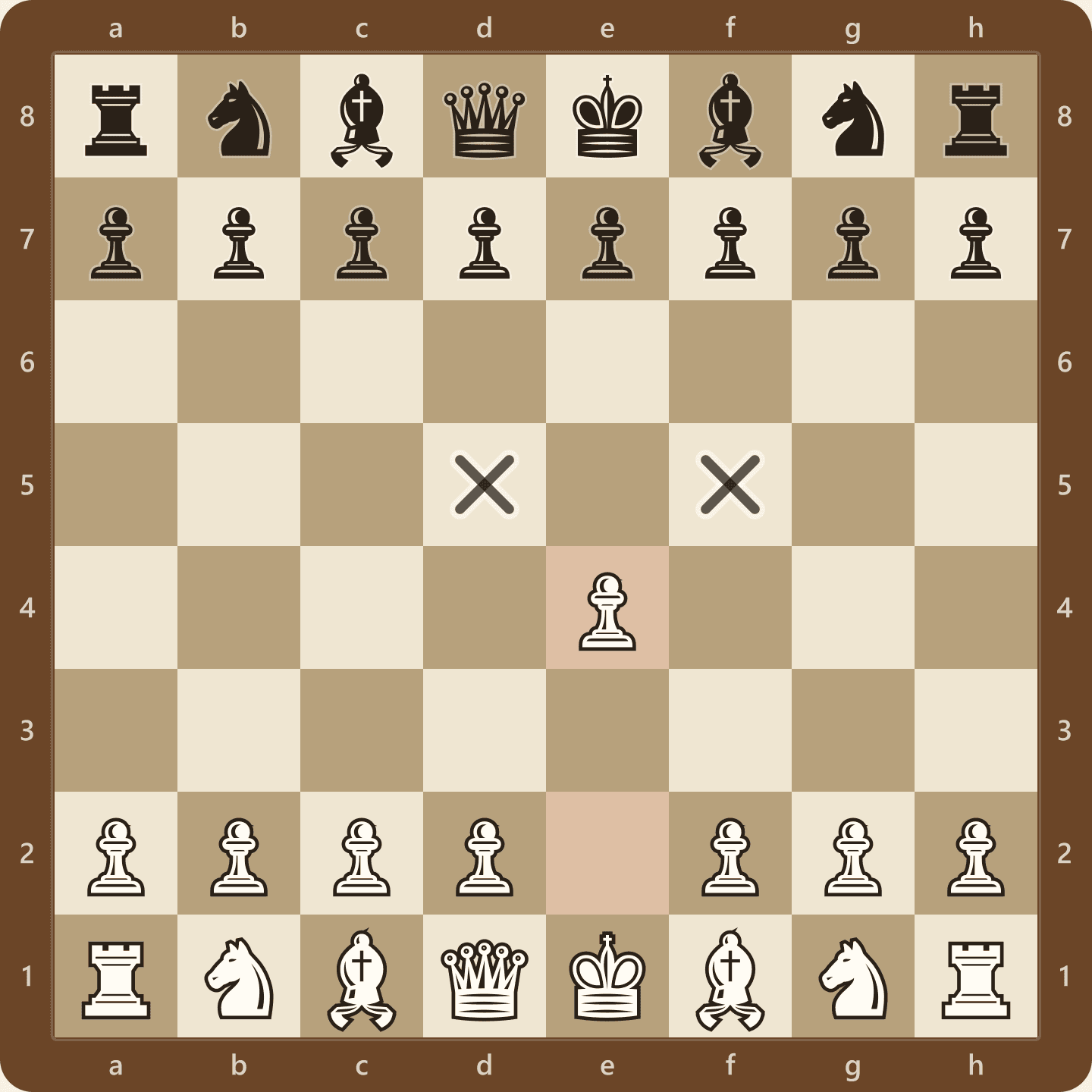
Develop your pieces. Knights and bishops off the back rank, ideally one new piece per move. Moving the same piece twice in the opening, or dragging the queen out early, usually hands your opponent free tempi. A tempo is one move's worth of time: if your opponent attacks your queen with a developing move, they got a free move and you did not.
Get the king safe. Castle early, and be slow to push the pawns in front of your castled king.
Those three cover most opening positions without a single memorised line. Our opening principles guide goes deeper on where they break down.
The 1.e4 openings
1.e4 leads to open positions with early piece contact and more tactics. Bobby Fischer famously called it "best by test" and played almost nothing else as White. It is the usual recommendation for beginners for exactly that reason: the tactics you get are the tactics you need to practise anyway.
What White plays after 1.e4 e5
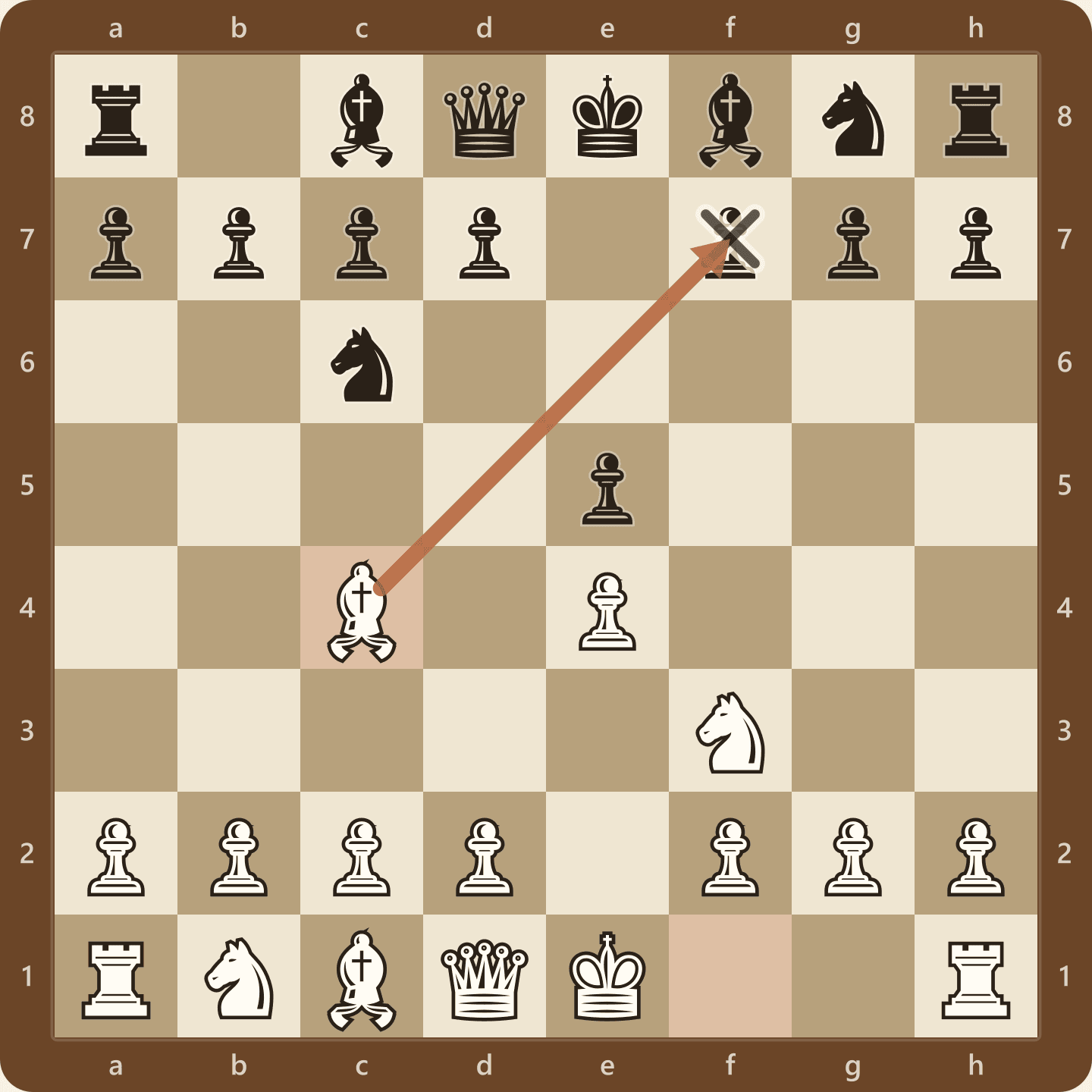
The Italian Game (1.e4 e5 2.Nf3 Nc6 3.Bc4) is the most direct version. The bishop goes to c4, where it stares at f7, the one square in Black's camp defended only by the king.
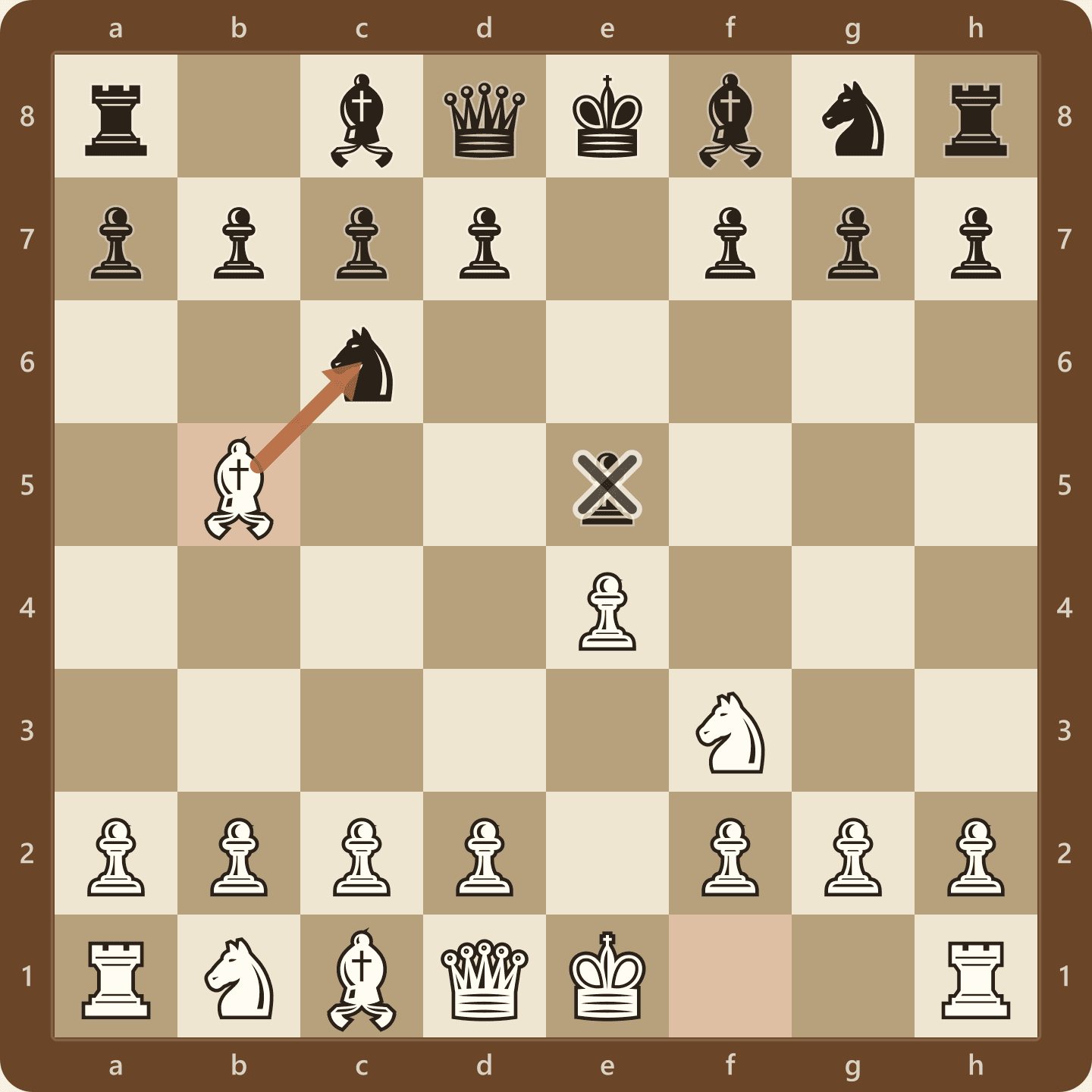
The Ruy Lopez (1.e4 e5 2.Nf3 Nc6 3.Bb5), also called the Spanish and named after a sixteenth-century Spanish priest, is the more sophisticated cousin. Instead of aiming at f7 the bishop attacks the knight that defends the e5 pawn, and the resulting positions are slow, rich, and heavily analysed by grandmasters.
Both are covered in full in the Italian Game guide and the Ruy Lopez guide. The honest summary for a club player: the Italian gets you playable positions with a fraction of the study, and the Ruy Lopez is where the deep theory lives.
What Black answers 1.e4 with
The Sicilian Defense (1.e4 c5) is the sharpest answer and the one you will meet most often in top-level games. Black declines the symmetrical 1...e5 and instead fights for d4 with a wing pawn, which means the pawn structures go lopsided almost immediately and both sides get to attack.
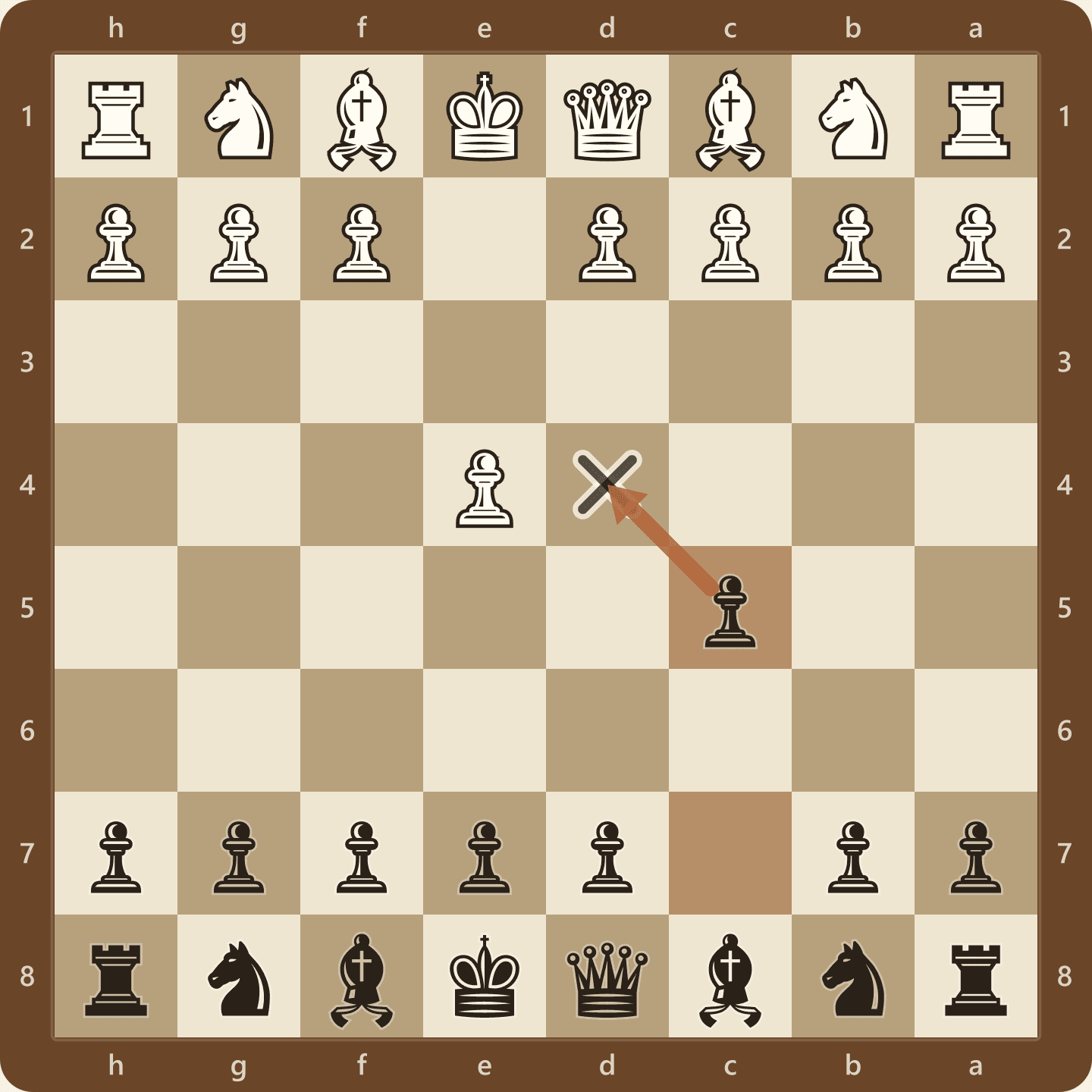
The French Defense (1.e4 e6 2.d4 d5) challenges the centre immediately but locks in the c8 bishop behind its own pawns. That bishop is the single most discussed piece in French theory, and freeing it is most of Black's job.
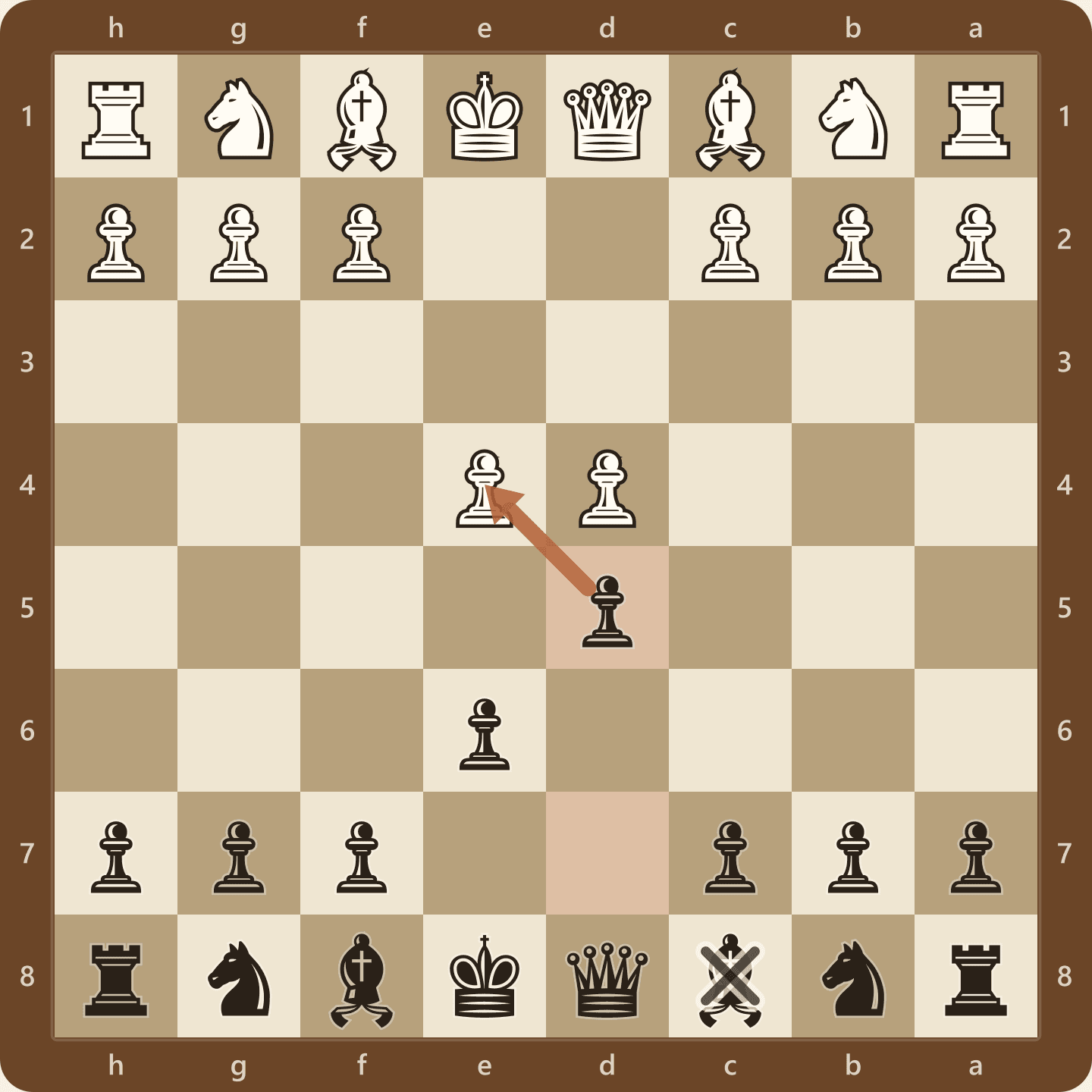
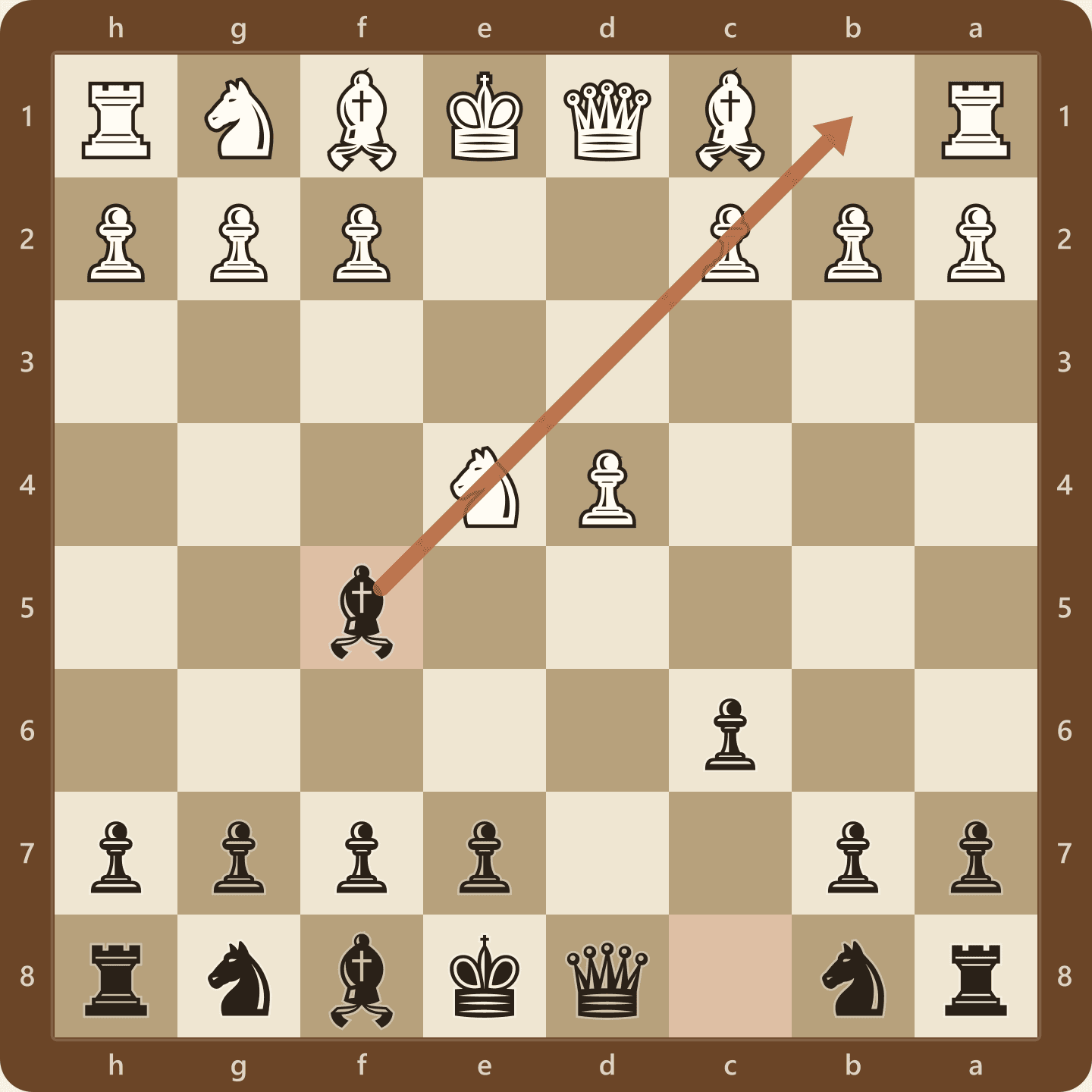
The Caro-Kann Defense (1.e4 c6 2.d4 d5) is the French with that problem solved. Because the pawn went to c6 rather than e6, the light-squared bishop can step outside the pawn chain before Black plays e6.
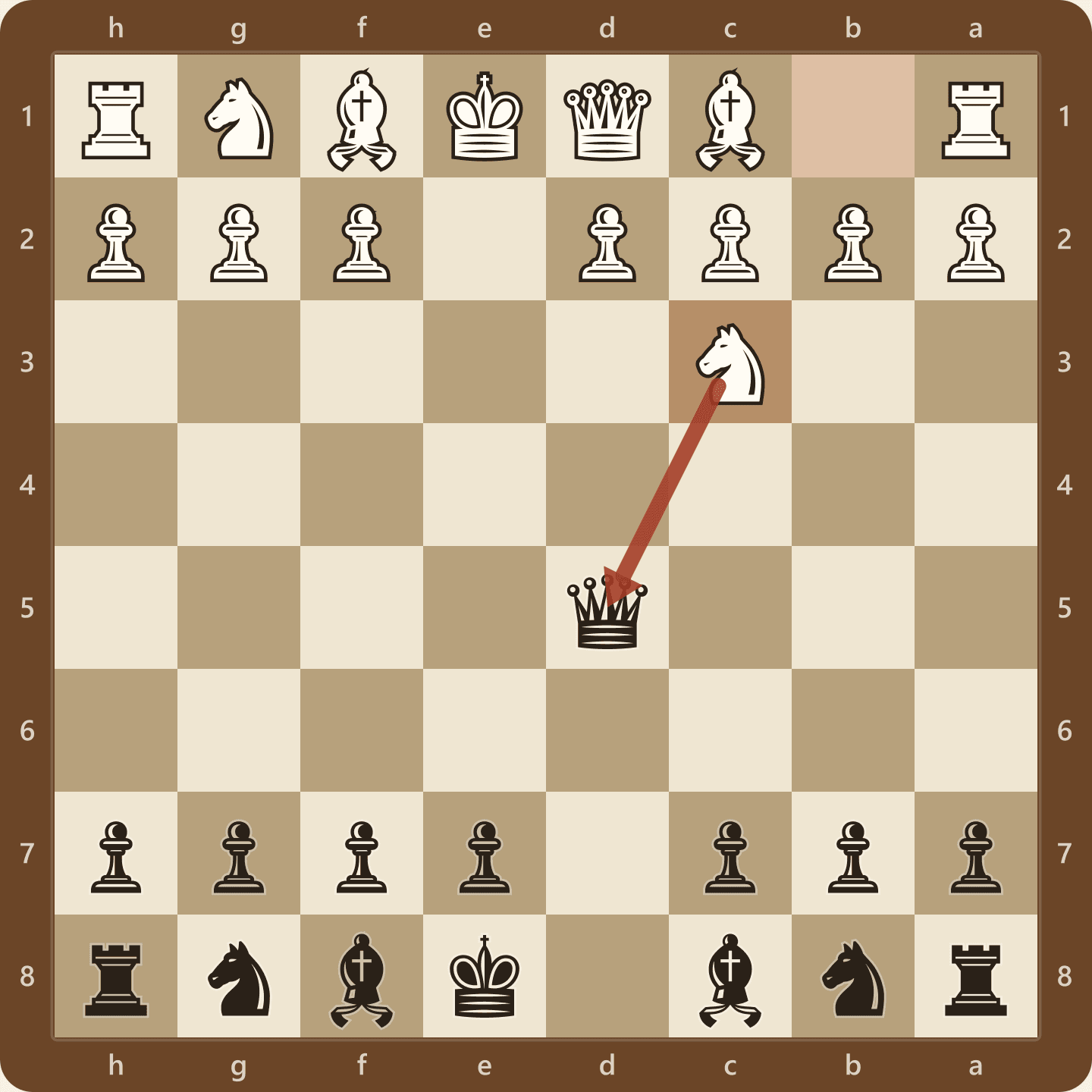
The Scandinavian Defense (1.e4 d5) is the shortcut repertoire. Black gets a known position after two moves against anything, but pays for it: after 2.exd5 Qxd5 3.Nc3 the queen is attacked and has to move again, handing White a tempo.
Which of these is right for you depends on how much theory you want to carry and whether you like sharp or solid positions. That comparison is the whole job of our best openings for Black page, and each defense has its own guide: Sicilian, French, Caro-Kann, Scandinavian.
The 1.d4 openings
1.d4 tends toward closed positions, slower manoeuvring, and pawn structures that persist for thirty moves. The d4 pawn is defended by the queen from the start, which is why these positions rarely explode on move six.
The Queen's Gambit (1.d4 d5 2.c4) offers a pawn to pull Black's d-pawn away from the centre so White can play e4 with a big pawn duo. The Netflix series carried the name far outside chess, which is ironic, because it is barely a gambit at all: Black cannot comfortably hold the extra pawn, so White usually gets it back.
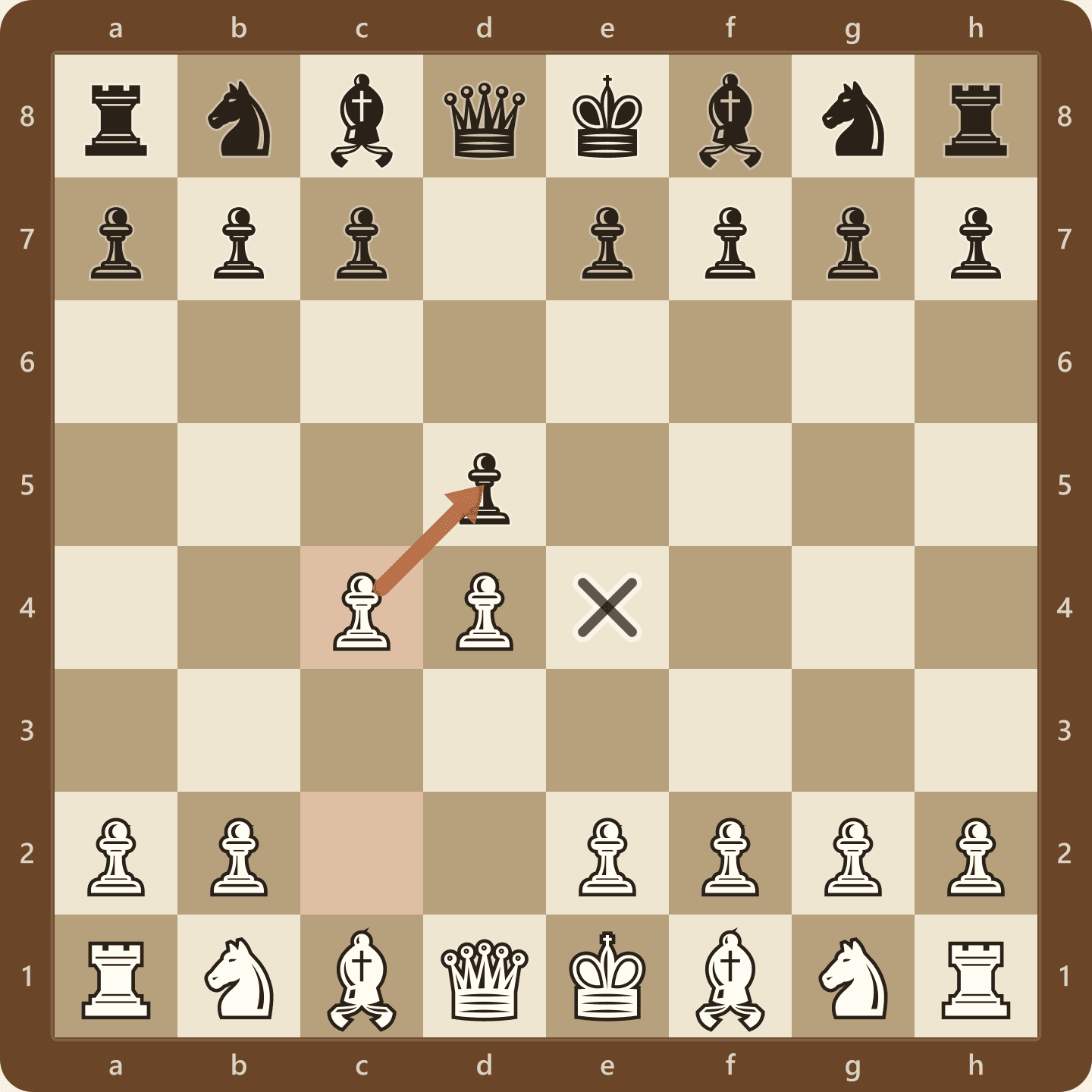
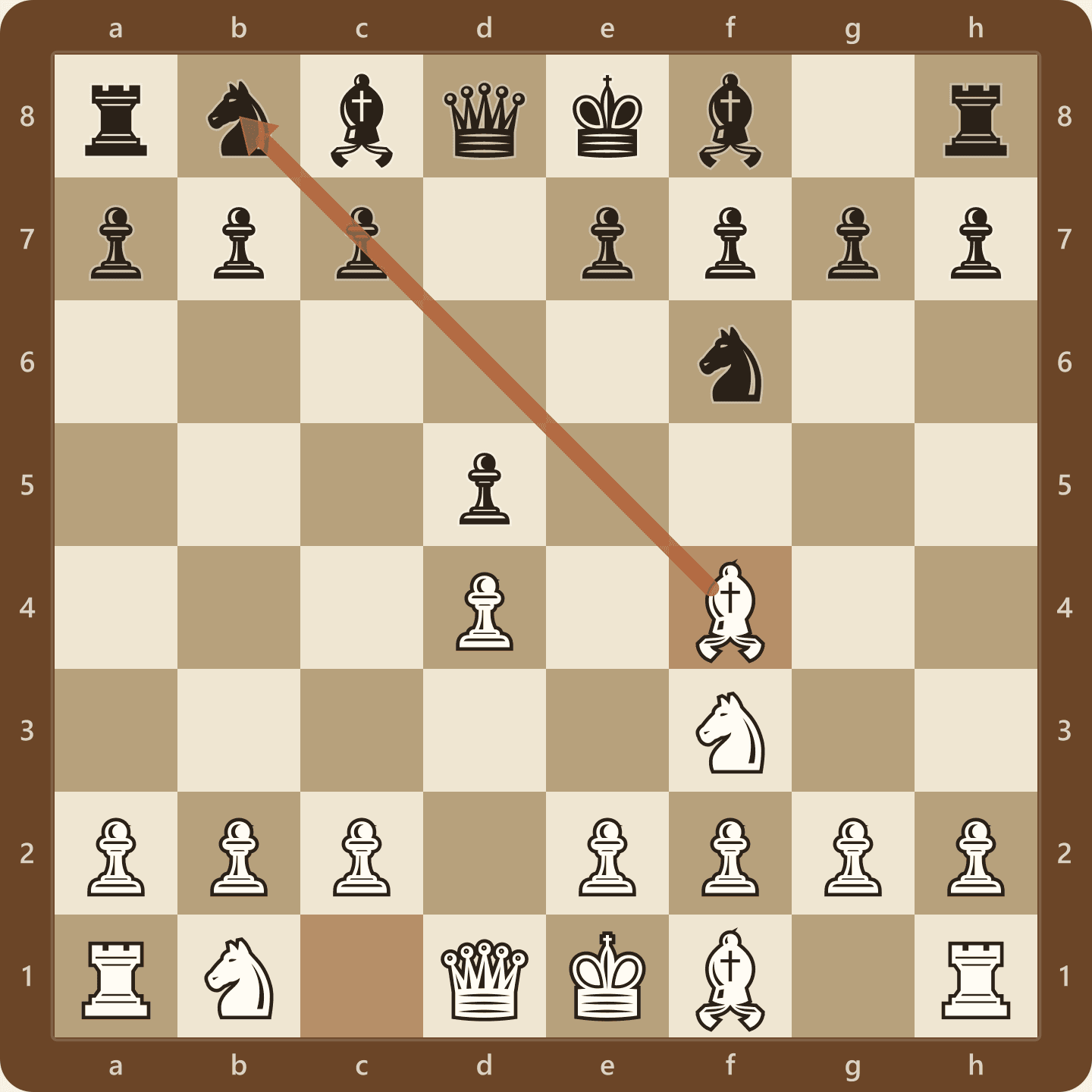
The London System (1.d4 followed by Nf3 and Bf4) is the internet's favourite and most argued-about opening. It is a system, meaning White plays broadly the same setup against most Black replies instead of learning a separate line for each. That is a genuine advantage for anyone studying in short bursts, and it is also why the London gets accused of being boring.
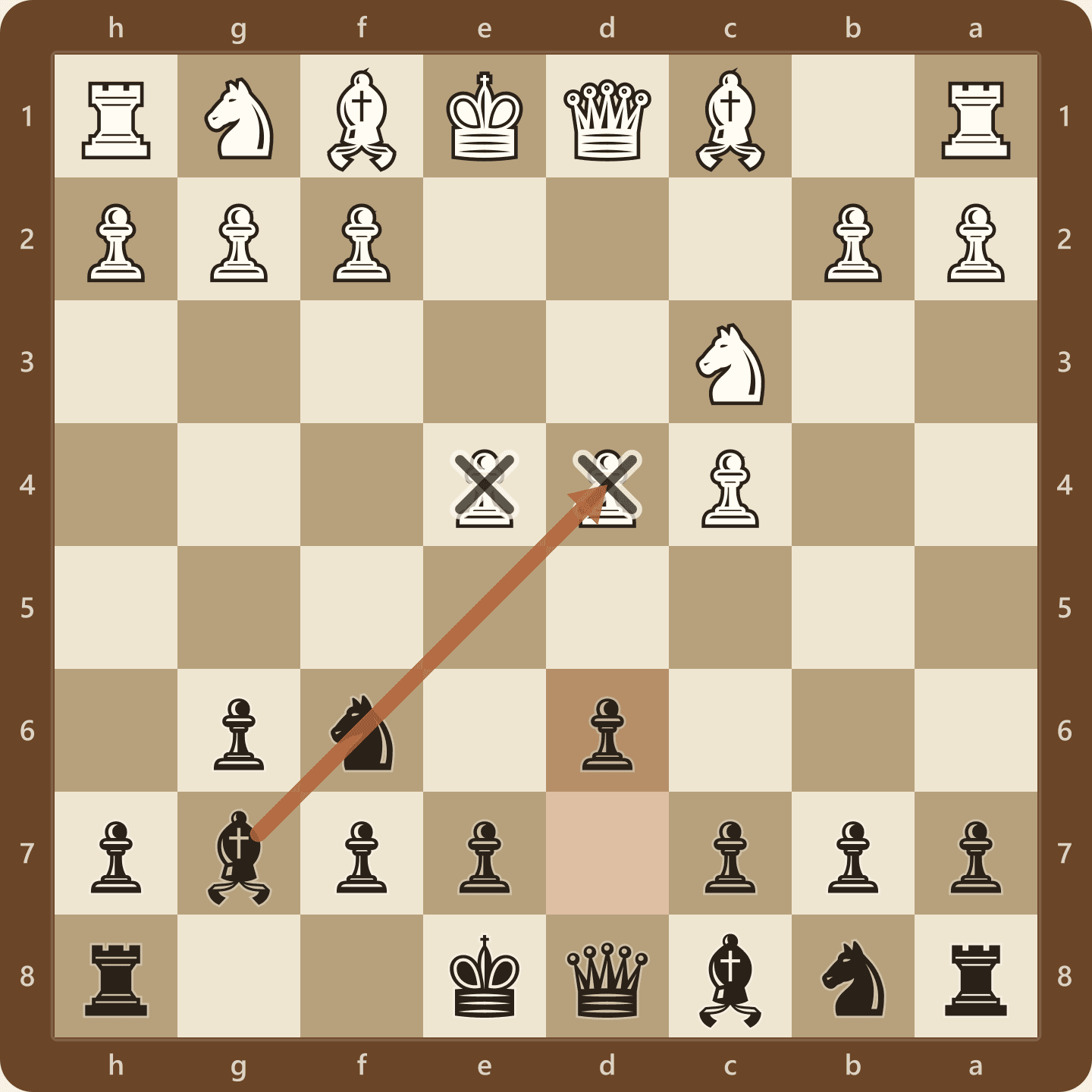
The King's Indian Defense (1.d4 Nf6 2.c4 g6 followed by Bg7 and d6) is Black's aggressive answer. Black lets White build a big centre on purpose, fianchettoes the dark-squared bishop (a fianchetto is a bishop developed to g7, b7, g2 or b2 behind a one-square pawn move), and then attacks the centre later with pawn breaks.
Full treatments live at Queen's Gambit, London System and King's Indian Defense. For a White repertoire built around one of them, see best openings for White, and if you have not picked a first move yet, 1.e4 vs 1.d4 is the direct comparison. The other big flank option, 1.c4, gets its own English Opening guide.
Hypermodern openings
The King's Indian belongs to a family worth naming. Hypermodern openings, an idea pushed by Réti and Nimzowitsch in the 1920s, reject the rule that you must occupy the centre with pawns. Instead you let your opponent build the big pawn centre, point pieces at it from a distance, and try to prove it is a target rather than an asset. The King's Indian, the Grünfeld, the Pirc, Alekhine's Defense and the Réti Opening all work this way.
For a player under about 1400 this is the harder path, because the plan only pays off if you actually follow through with the pawn break. Classical openings that just take the centre are more forgiving when you drift.
Gambits, and whether to trust them
A gambit is an opening where one side deliberately gives up material, usually a pawn, in exchange for time, space, or an attack. The King's Gambit, the Evans Gambit, the Smith-Morra and the Stafford are all real gambits. The Queen's Gambit, as noted, mostly is not.
The honest framing for a club player is that gambits trade a permanent thing (a pawn) for a temporary thing (a lead in development). If you convert the lead into an attack before it evaporates, you win quickly. If your opponent survives twenty moves, you are simply down a pawn in an endgame. That is why gambits feel devastating at one rating and flimsy at another, and why the sensible question is not "is this gambit sound" but "does my opponent know the refutation". What is a gambit in chess works through the sound-versus-unsound distinction properly.
Where club players actually lose the opening
Almost none of it is theory. The recurring mistakes are:
- Bringing the queen out early. It gets chased, and every chase is a free developing move for the opponent.
- Moving pawns instead of pieces. Two central pawn moves, then pieces.
- Delaying castling until the position opens and it is too late.
- Playing for a trap instead of a position. A trap that fails usually leaves you worse.
- Copying a grandmaster line without the ideas behind it, then having no plan on the first move that leaves the book.
The classic version of the first and fourth together is Scholar's Mate: 1.e4 e5 2.Bc4 Nc6 3.Qh5, threatening 4.Qxf7#, because f7 is defended only by the king and now attacked twice.
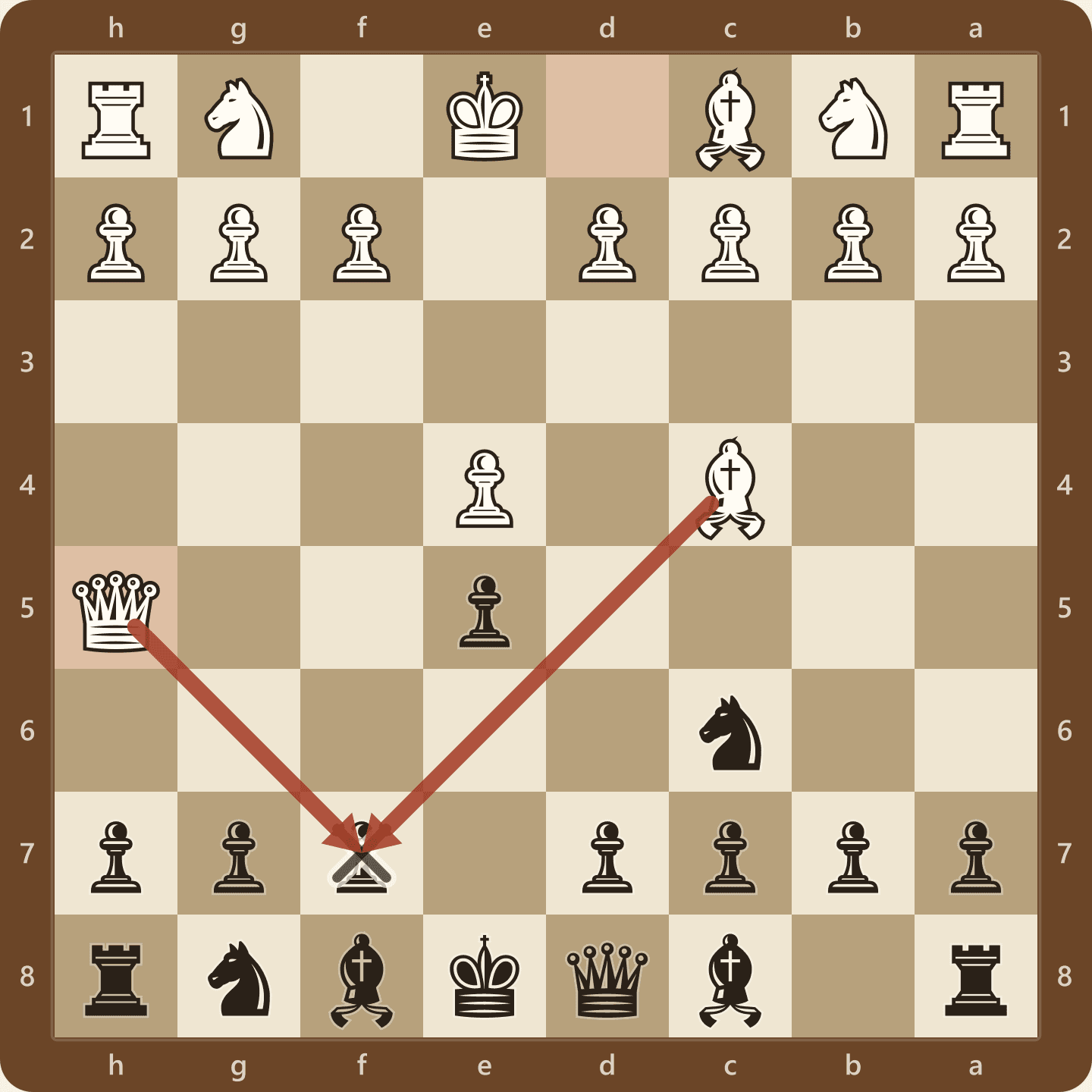
Black answers 3...g6, attacking the queen and giving up nothing important. After 4.Qf3 the move 4...Nf6 covers f7 and Black is fine, with White's queen now a target. The Scholar's Mate guide covers both sides, and chess opening traps covers the rest of the greatest hits.
Every diagram on this page was played out move by move with a chess engine library before rendering, so the position shown always matches the notation printed beside it.
How much theory you actually need
Less than the internet implies, and the reason is structural. Opening theory is worth memorising when both players are accurate enough that a small edge out of the opening survives to the endgame. Below roughly 1400 rapid, games are usually decided by a piece hanging around move twenty, not by move eleven of the Najdorf. Memorising deep lines there is optimising the part of the game that is not deciding your results. The rating-by-rating numbers behind that claim belong on our blunder rate by rating page and the by-opening scoring data on chess opening win rates, which is where you should go for figures. This page stays deliberately qualitative: a win-rate percentage quoted without its rating band and sample size is worse than no number at all.
A practical method:
- Pick one opening as White and one answer to each of 1.e4 and 1.d4 as Black. Two or three openings total, not ten.
- Learn the first four or five moves and, more importantly, the plan: which pawn break you want, which piece is your bad piece, where your king goes.
- Play them exclusively for a few hundred games.
- After each loss, find the first move where you did not know what you were doing, and look that single position up in an opening explorer on Lichess or Chess.com.
- Add one new line only when a specific opponent reply keeps punishing you.
That loop is fully written up in how to learn chess openings, with the rating-by-rating version at how much opening theory do you need. If you are starting from zero, best chess openings for beginners narrows the field to a handful, and the tier list ranks the whole field by rating band.
| Opening | First moves | The main idea | Theory load |
|---|---|---|---|
| Italian Game | 1.e4 e5 2.Nf3 Nc6 3.Bc4 | Fast development, bishop aimed at f7 | Low |
| Ruy Lopez | 1.e4 e5 2.Nf3 Nc6 3.Bb5 | Pressure the defender of e5, slow squeeze | High |
| Sicilian Defense | 1.e4 c5 | Unbalance early, counterattack on the queenside | High |
| French Defense | 1.e4 e6 2.d4 d5 | Solid chain, break with c5 or f6, free the c8 bishop | Medium |
| Caro-Kann Defense | 1.e4 c6 2.d4 d5 | French solidity with the light-squared bishop developed | Medium |
| Scandinavian Defense | 1.e4 d5 | One position against everything, at the cost of a tempo | Low |
| Queen's Gambit | 1.d4 d5 2.c4 | Deflect the d5 pawn, take over the centre with e4 | Medium |
| London System | 1.d4 and 2.Nf3, 3.Bf4 | One setup against nearly every Black reply | Low |
| King's Indian Defense | 1.d4 Nf6 2.c4 g6 | Concede the centre, then attack it and the king | High |
Frequently asked questions
What is the best chess opening for beginners?
For White, the Italian Game: it follows the principles literally, needs almost no memorisation, and produces the open tactical positions beginners should be practising. For Black, 1...e5 against 1.e4 and the Queen's Gambit Declined setup against 1.d4 keep things classical. See best chess openings for beginners for the full reasoning.
How many chess openings are there?
The Encyclopaedia of Chess Openings uses 500 codes (A00 to E99) covering several thousand named variations. The number that matters is much smaller: a working repertoire is one opening as White plus one answer to 1.e4 and one to 1.d4.
Do I have to memorise chess openings?
No. Below about 1400 rapid, understanding the plan behind your first five moves beats memorising fifteen. Memorisation starts paying off when your opponents stop handing you material in the middlegame.
What is the difference between an opening, a defense, and a system?
An opening is any named start. A defense is named from Black's side (the Sicilian Defense is what Black plays, not White). A system is a setup you repeat against most replies rather than a line you calculate, which is what makes the London System low maintenance.
Should I play 1.e4 or 1.d4?
1.e4 gives open, tactical positions and is the usual first recommendation because those tactics are the skill you are building anyway. 1.d4 gives slower, structural games with less forcing theory to know early. 1.e4 vs 1.d4 compares them properly.
Why do openings have such strange names?
Most are named after the player who popularised them (Ruy Lopez, Alekhine), the country or city of a famous game (Sicilian, London, Scandinavian), or a tournament where they appeared. The naming is historical accident, not a ranking. Our chess opening names list decodes them.
Where to go next
If you want one thing to do after reading this: pick a single opening for White, play it fifty times, and look up only the positions you actually lost. That beats reading five more guides. When you want the ranked view rather than the map, the best chess openings page sorts the field, and what opening should I play walks you to a specific answer based on your rating and style.