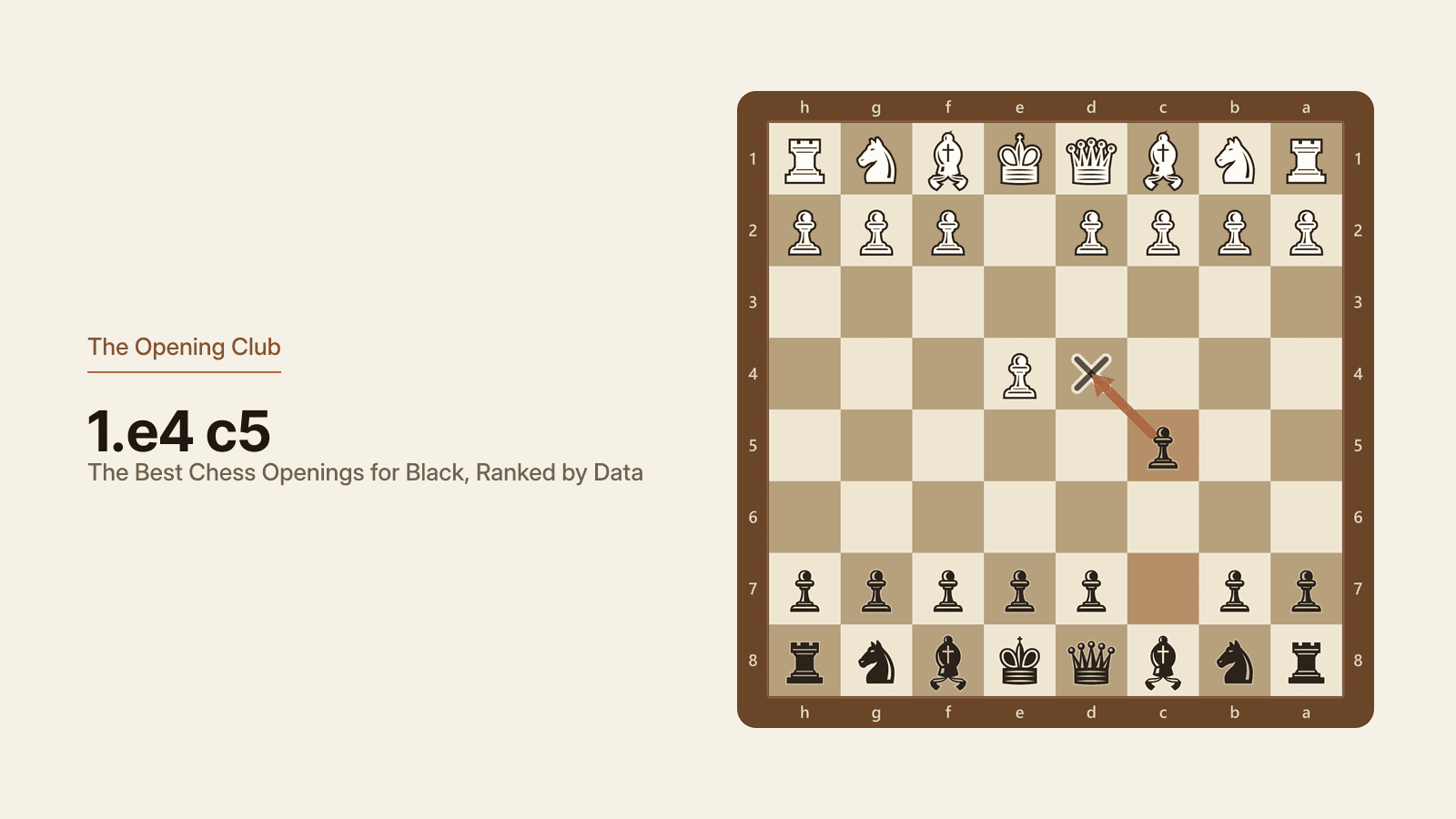
Picking chess openings for Black is a harder problem than picking them for White, because Black is not trying to win the opening. Black is trying to lose the first move by as little as possible. We scored every mainstream defense across 49.8 million rapid and blitz games from the Lichess open database (May 2026 snapshot), inside four rating bands, and ranked them by Wilson lower bound.
One result breaks the pattern hard enough to lead with. At the 1000 band, in the 850,797 games that reached 1.e4 c5, Black outright wins 49.12% and White wins 47.54%. Black, moving second, wins more games than White does. Nothing else in the mainstream data does that, and the explanation is not that the Sicilian Defense is magic.
How the ranking works
Every line is scored as wins plus half of draws from Black's side, then ranked by its 95% Wilson lower bound, a confidence floor rather than the raw average. A line with 200 games loses most of its headline score; a line with two million keeps nearly all of it. That is what stops a fashionable small-sample defense from topping the table on noise.
The bands are 600, 1000, 1400 and 1800, Lichess rating-bucket lower bounds. The 49.8 million games split 4.2 million in the 600 band, 14.1 million at 1000, 10.7 million at 1400 and 20.8 million at 1800. (A larger total quoted from this dataset is an artefact of summing games across nested positions, which counts a single game once for every position it passes through.) Expect Black's numbers to sit below 0.500 almost everywhere, because the first move is worth something real. Comparing them against the White ranking is a category error; compare them against each other.
The ranking against 1.e4
| Black's reply to 1.e4 | 600 | 1000 | 1400 | 1800 | Games at 1000 |
|---|---|---|---|---|---|
| Sicilian Defense (1...c5) | 0.504 B | 0.507 B | 0.505 B | 0.497 A | 850,797 |
| Caro-Kann Defense (1...c6) | 0.508 B | 0.504 B | 0.507 B | 0.498 B | 658,827 |
| Scandinavian, Modern 2...Nf6 | 0.497 B | 0.502 B | 0.507 A | 0.506 A | 77,012 |
| French Defense (1...e6) | 0.493 B | 0.499 A | 0.501 A | 0.497 B | 724,903 |
| Modern Defense (1...g6) | 0.496 B | 0.490 B | 0.489 B | 0.484 B | 201,267 |
| Pirc Defense (1...d6) | 0.480 B | 0.483 B | 0.485 B | 0.488 B | 321,699 |
| Scandinavian Defense (1...d5, all lines) | 0.479 B | 0.481 B | 0.492 B | 0.495 B | 947,614 |
| King's Pawn (1...e5) | 0.469 B | 0.471 B | 0.472 C | 0.471 B | 5,115,257 |
| Philidor Defense (2...d6) | 0.455 C | 0.470 C | 0.474 B | 0.466 C | 451,204 |
| Petrov's Defense (2...Nf6) | 0.428 D | 0.460 C | 0.479 C | 0.481 C | 301,435 |
| Alekhine Defense (1...Nf6) | 0.459 C | 0.457 C | 0.483 C | 0.508 B | 104,834 |
The Sicilian, and why Black wins more with it
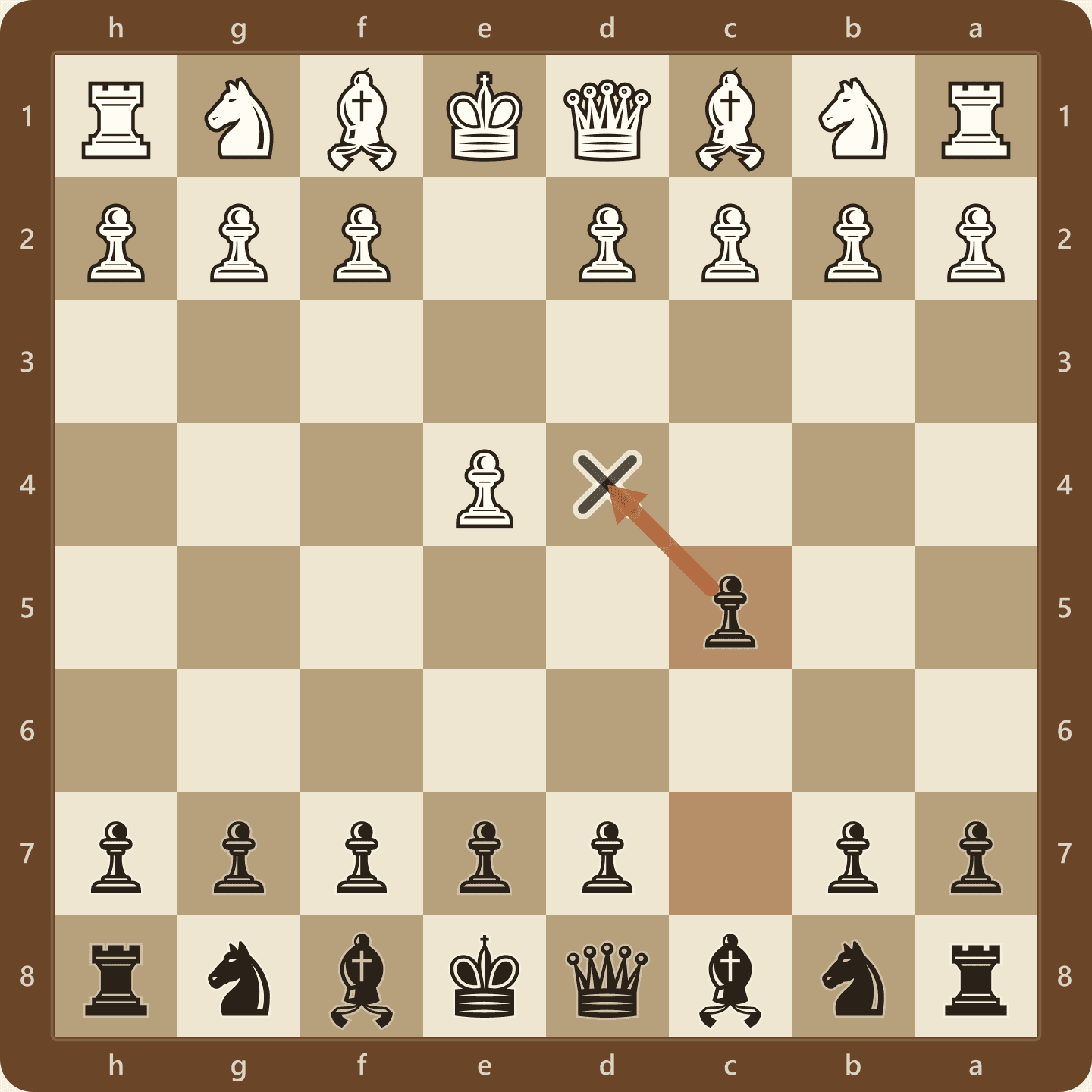
The Sicilian Defense tops the list at 600, 1000 and 1400 and grades A at 1800. Its draw rate is also the lowest of the major defenses, 3.34% at the 1000 band against 3.77% for 1...e5, which is why its outright win number looks so dramatic: the games it produces get decided.
The 49.12% to 47.54% split is real, and it is not a claim that the Sicilian is objectively better than 1.e4. Two things are happening. The Sicilian creates asymmetric positions where both sides have targets, so White's structural half-point advantage stops translating into safe draws. And 6.01% of games at the 1000 band go into it, which means the people playing it mostly chose it, while a good share of the White players opposite are meeting it for the first time. That second half is a selection effect, and any honest reading of this number has to include it.
Inside the Sicilian, the sub-lines at the 1000 band are closer together than the reputations suggest:
- 2.Nc3 Nc6 against the Closed Sicilian: 0.511 (32,213 games)
- 2.Nf3 e6, the French Variation: 0.508 (71,293 games)
- Accelerated Dragon: 0.509 (10,287 games)
- 2.Nf3 d6, the Modern Variations gateway: 0.500 (95,162 games)
- Old Sicilian, 2.Nf3 Nc6: 0.496 (190,959 games)
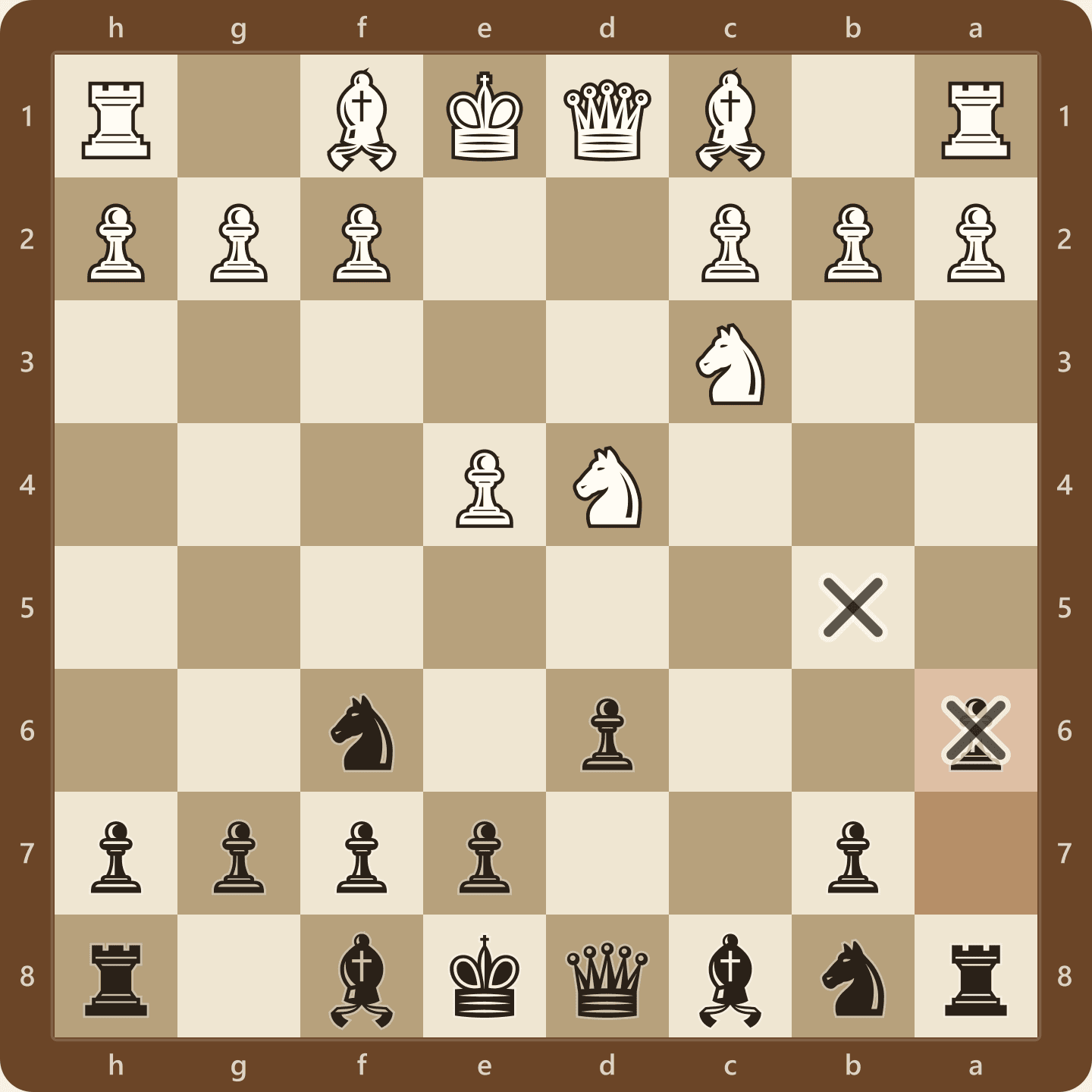
The famous branches are the ones we can say least about down low. The Najdorf Variation has only 5,223 games at the 1000 band and the Dragon Variation 3,312, which is why the Wilson bound holds them back. At 1800 the samples arrive and both look fine: Najdorf 0.501 across 70,702 games, Dragon 0.505 across 26,111. Read that as "we cannot yet distinguish them from the Sicilian average at low ratings", not as "they are bad." Detail on the Najdorf, the Sicilian Dragon and the Accelerated Dragon pages.
Caro-Kann, French, Scandinavian
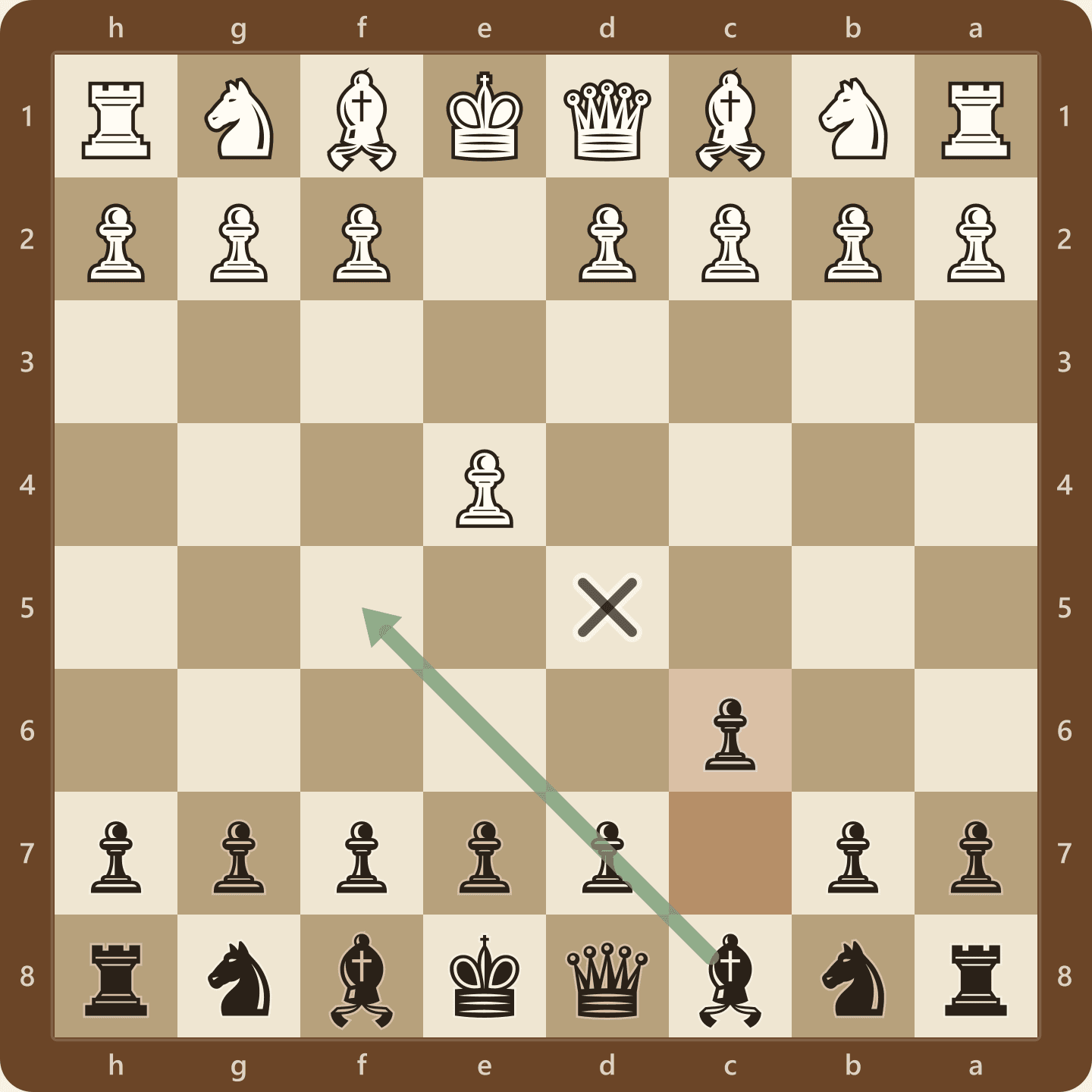
The Caro-Kann Defense is the single best reply to 1.e4 at the 600 band (0.508 across 127,035 games) and it never leaves the top three. Its practical advantage is not visible in the score: you play ...c6 and ...d5 against almost everything, so the study cost is the lowest in this table.
Watch the branch, though. After 2.d4 d5, White's Advance Variation with 3.e5 leaves Black at 0.497 at the 1000 band (40,067 games in the ...c5 counter), while the Classical Variation with 3.Nd2 dxe4 4.Nxe4 Bf5 drops Black to 0.486 at 1000 and 0.461 at 1800 (46,787 games), a C grade in all three bands where it has a sample. The classical setup is the one most books teach and the one the numbers like least.
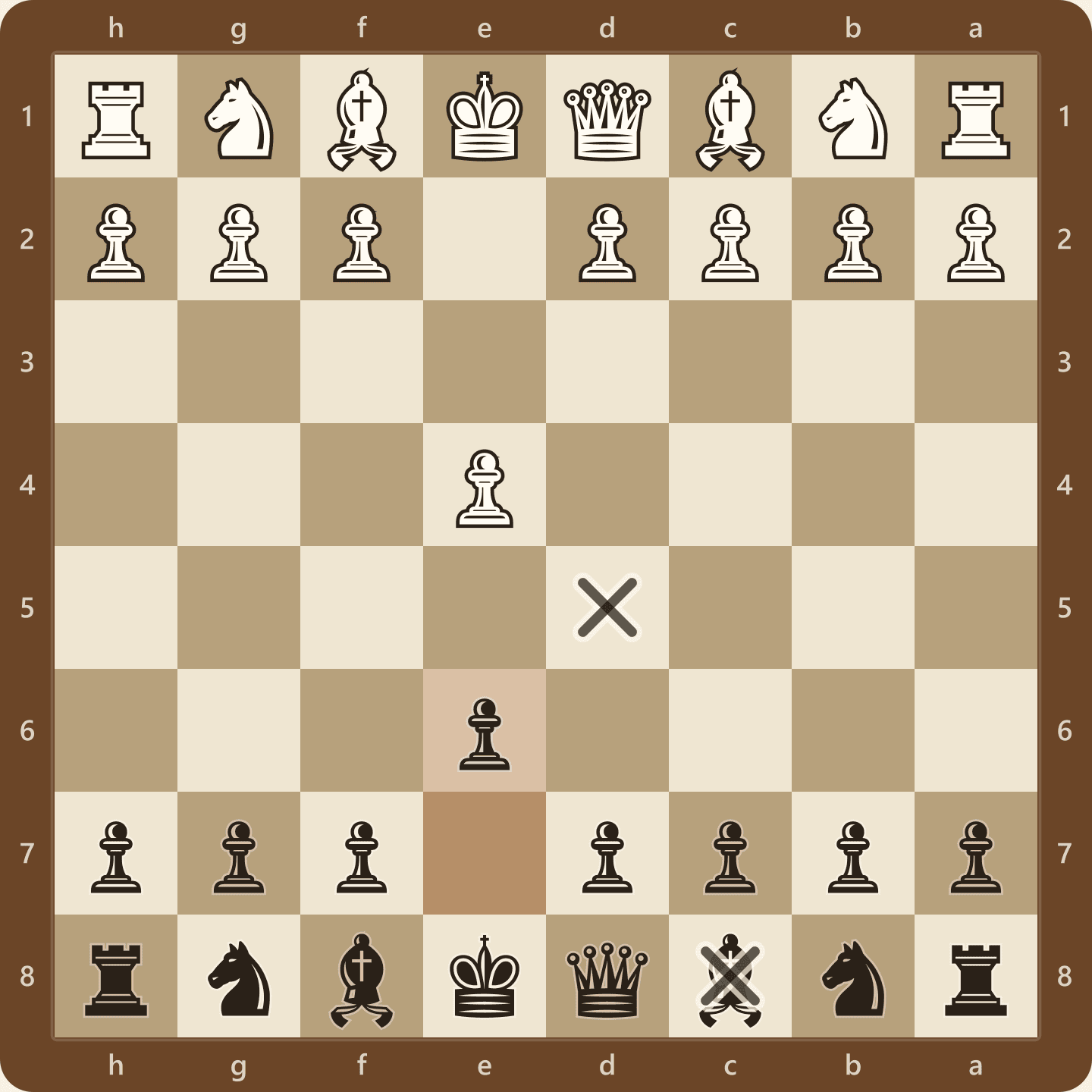
The French Defense grades A at 1000 (0.499, 724,903 games) and A at 1400 (0.501, 632,985 games). Nothing else Black plays does that. It is also the defense that best rewards knowing one structure well, and the reputation Anish Giri and other elite grinders have for holding Black to a draw against anyone is built on exactly this kind of position. If you resent being cramped for twenty moves, play the Caro-Kann instead, and the Caro-Kann versus French page walks the choice.
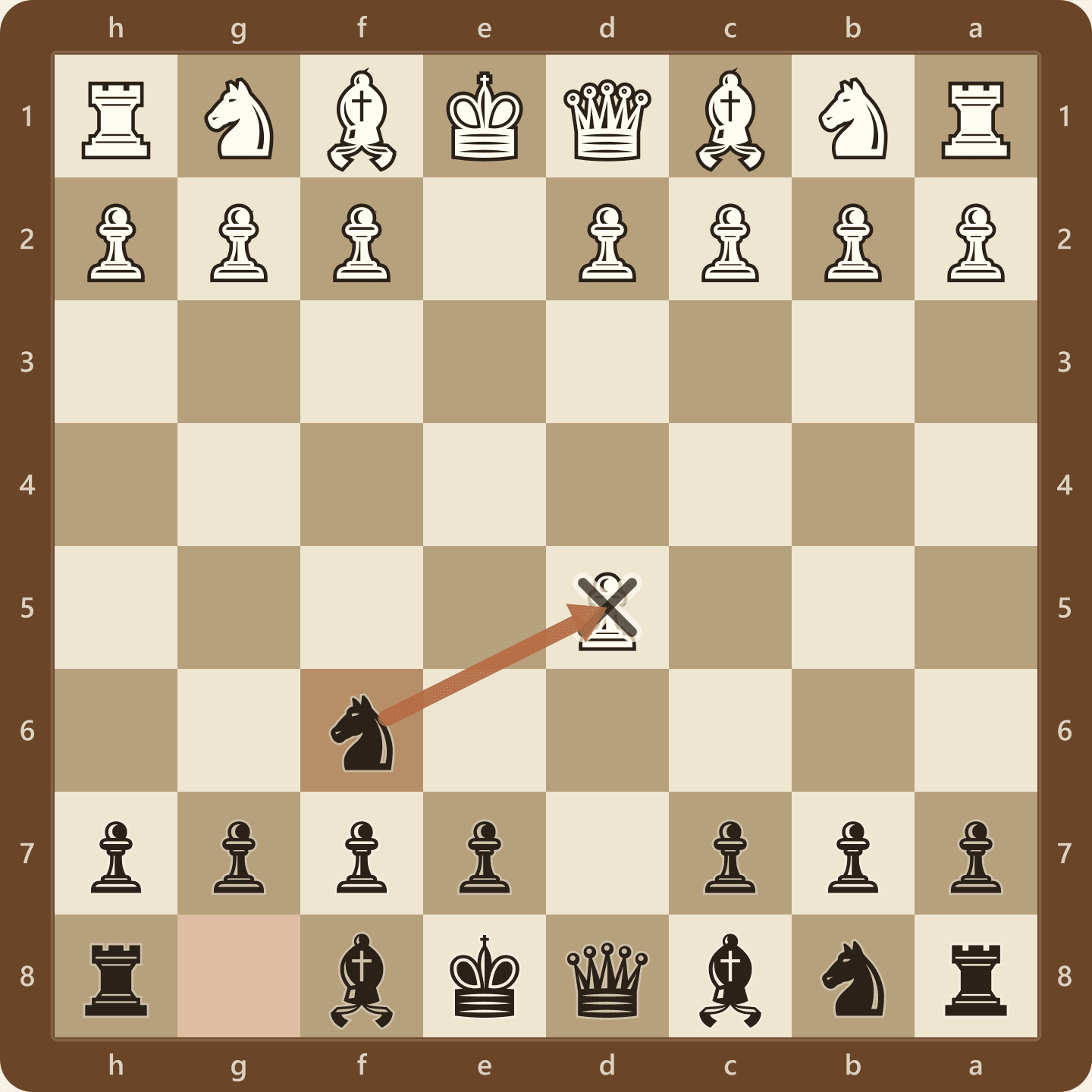
The Scandinavian Defense is the clearest "same name, different opening" case in the data. Taken as a whole it grades 0.481 at 1000. Split it:
- 2...Nf6 (Modern Variation): 0.502 at 1000 (77,012 games), and an A grade at both 1400 and 1800.
- 2...Qxd5 3.Nc3 Qa5 (Main Line): 0.486 at 1000 (96,635 games).
- 2...Qxd5 3.Nc3 Qd8 (Valencian): 0.456 at 1000, a D grade (102,584 games).
Three moves, three different verdicts, and the popular one is the worst.
The problem with 1...e5
1...e5 is the most-played reply to 1.e4 by an enormous margin (5,115,257 games at the 1000 band, 36% of everything) and grades 0.471, behind seven other defenses. It is not unsound. It just walks into every attack White has practised.
Its branches confirm it. As Black at the 1000 band:
- Giuoco Piano (3...Bc5) against the Italian Game: 0.486 (262,080 games), the least bad of the set
- Two Knights (3...Nf6): 0.461 (375,890 games), because 4.Ng5 exists
- Berlin Defense (3...Nf6) against the Ruy Lopez: 0.448, a D grade (89,395 games), and a D grade in all four bands
- Ruy Lopez Classical (3...Bc5): 0.479, D grade (41,047 games)
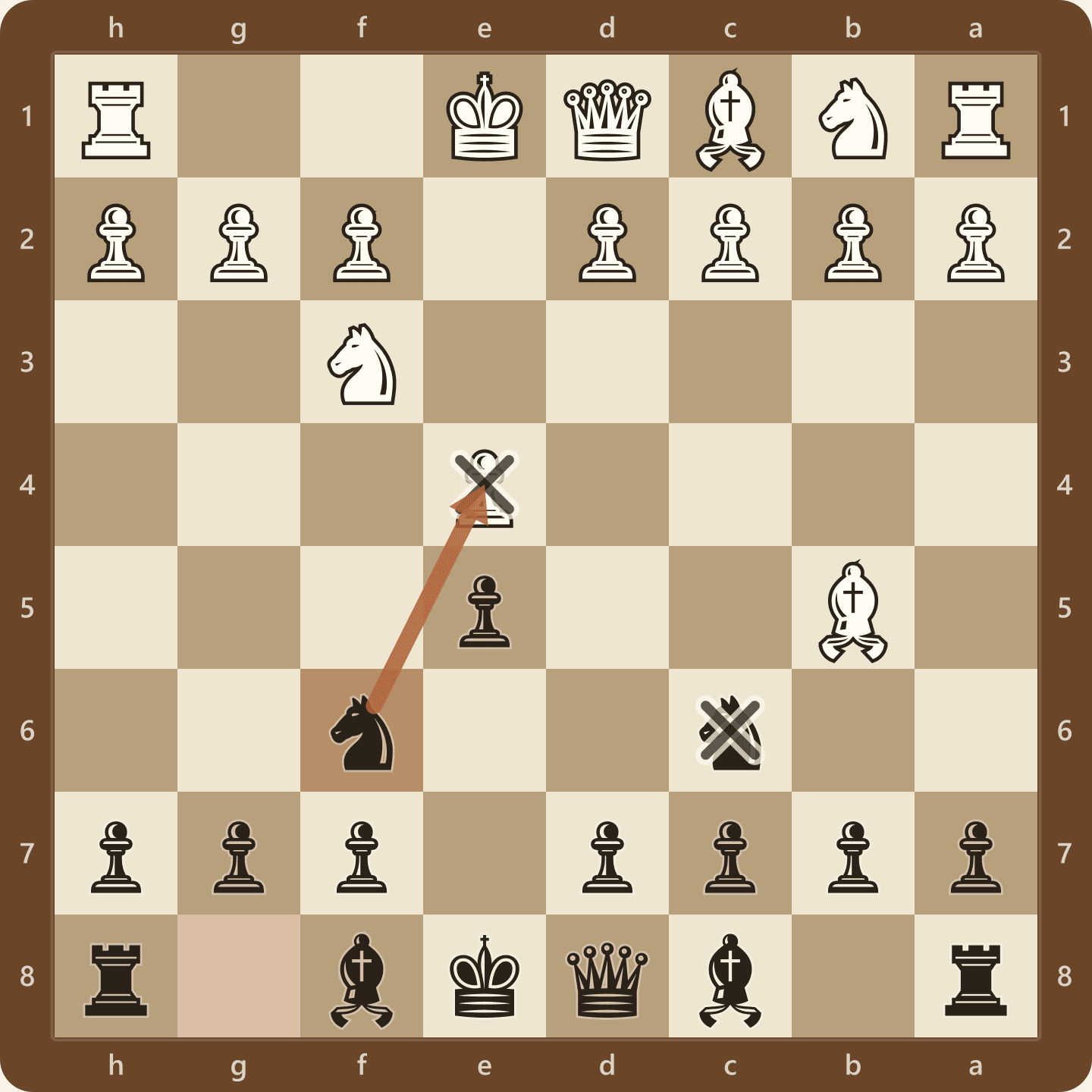
The Berlin Defense result deserves its own sentence, because it is the sharpest illustration of the whole site's argument. The Berlin is the most respected drawing weapon in elite chess. Between 600 and 1800 it grades D in every band. Both facts are true, and the one that applies to your games is the second one.
Petrov's Defense (also spelled Petroff) has the same shape: 0.428 at the 600 band across 142,567 games, a D grade, rising to a C at 1400 and 1800. Its whole point is symmetry and equality, which is not what wins games at 600.
The ranking against 1.d4 and 1.c4
| Black's reply | Against | 600 | 1000 | 1400 | 1800 | Games at 1000 |
|---|---|---|---|---|---|---|
| East Indian setup (2.Nf3 g6) | 1.d4 | 0.512 C | 0.514 B | 0.497 B | 0.490 C | 20,347 |
| Indian Defense (1...Nf6) | 1.d4 | 0.500 B | 0.489 B | 0.489 B | 0.488 B | 338,880 |
| West Indian (2.c4 g6) | 1.d4 | n/a | 0.498 B | 0.495 B | 0.496 B | 29,043 |
| King's Indian Defense (main setup) | 1.d4 | n/a | 0.496 B | 0.482 B | 0.480 B | 11,111 |
| Benoni, Old (1...c5) | 1.d4 | 0.464 C | 0.492 C | 0.497 B | 0.501 B | 71,554 |
| Englund Gambit (1...e5) | 1.d4 | 0.459 C | 0.489 B | 0.495 B | 0.488 B | 268,668 |
| Old Indian (2.c4 d6) | n/a | 0.482 C | 0.481 C | 0.487 B | n/a | 16,850 |
| Slav Defense (2.c4 c6) | 1.d4 | 0.456 C | 0.469 C | 0.466 C | 0.465 C | 79,276 |
| Nimzo-Indian Defense (3.Nc3 Bb4) | 1.d4 | n/a | 0.469 B | 0.475 B | 0.489 B | 7,892 |
| Dutch Defense (1...f5) | 1.d4 | 0.458 C | 0.467 D | 0.477 C | 0.477 C | 46,979 |
| Queen's Pawn (1...d5) | 1.d4 | 0.476 B | 0.463 B | 0.464 C | 0.463 B | 1,684,690 |
| Queen's Gambit Declined (2...e6) | 1.d4 | 0.449 C | 0.460 C | 0.461 C | 0.465 C | 112,347 |
| Queen's Gambit Accepted (2...dxc4) | 1.d4 | 0.432 D | 0.426 D | 0.428 D | 0.434 D | 164,935 |
| 1...g6 | 1.c4 | n/a | 0.482 C | 0.479 B | 0.475 B | 10,520 |
| 1...Nf6 | 1.c4 | 0.493 B | 0.474 C | 0.478 B | 0.477 B | 23,026 |
| 1...e5 | 1.c4 | 0.493 C | 0.467 C | 0.460 C | 0.457 C | 119,515 |
| 1...d5 | 1.c4 | 0.464 C | 0.449 C | 0.445 C | 0.445 C | 30,317 |
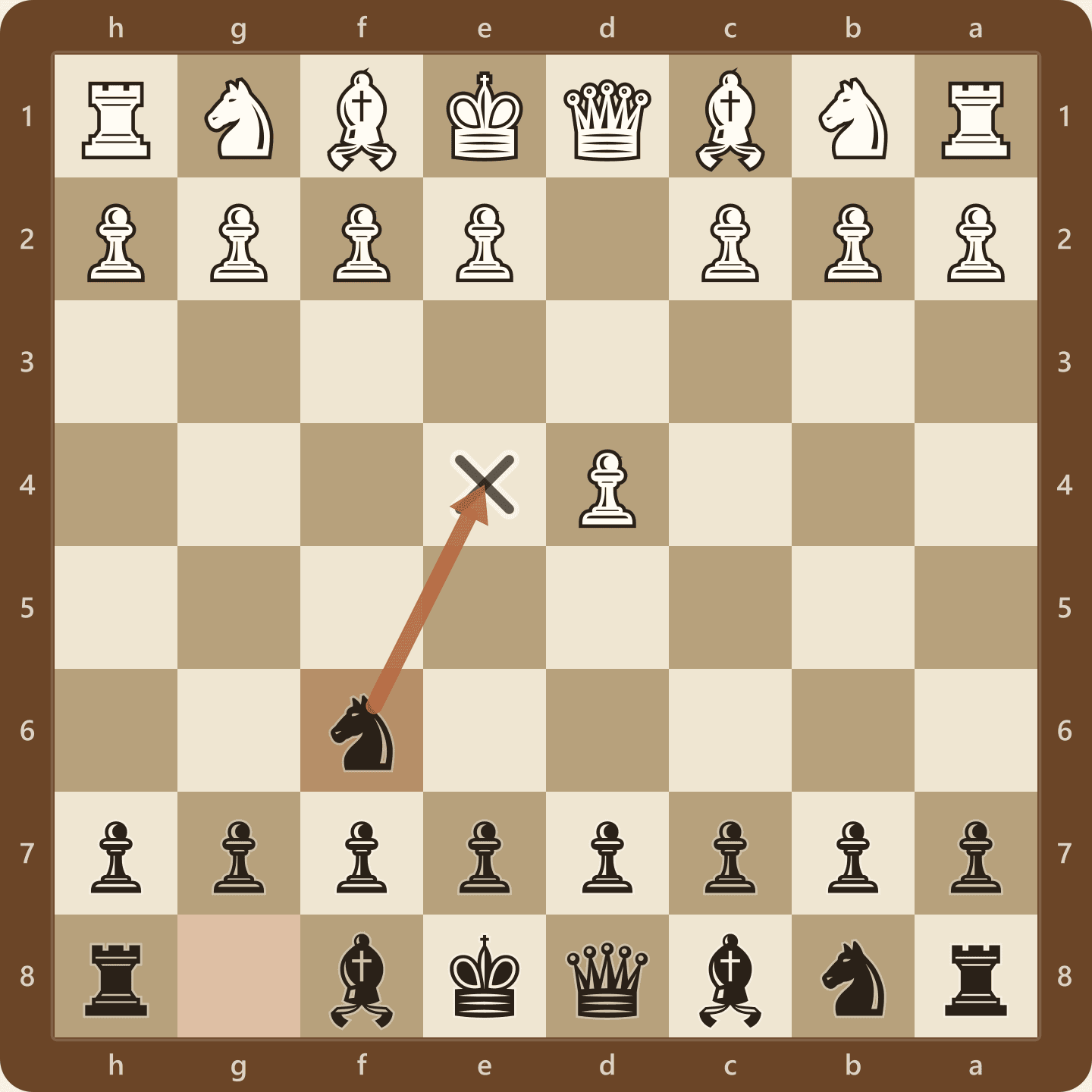
1...Nf6 beats 1...d5 against 1.d4 at every band above 600, 0.489 to 0.463 at the 1000 band, and the gap widens once you look at what 1...d5 leads to. Meeting the Queen's Gambit with 2...dxc4 grades D in every band across 164,935 games at 1000, the worst mainstream figure in the entire dataset. Declining with 2...e6 grades C in every band. The Slav Defense grades C in every band. If you play 1...d5 against 1.d4, all three of your main continuations are C or D. See the Queen's Gambit Accepted versus Declined page for the head to head.
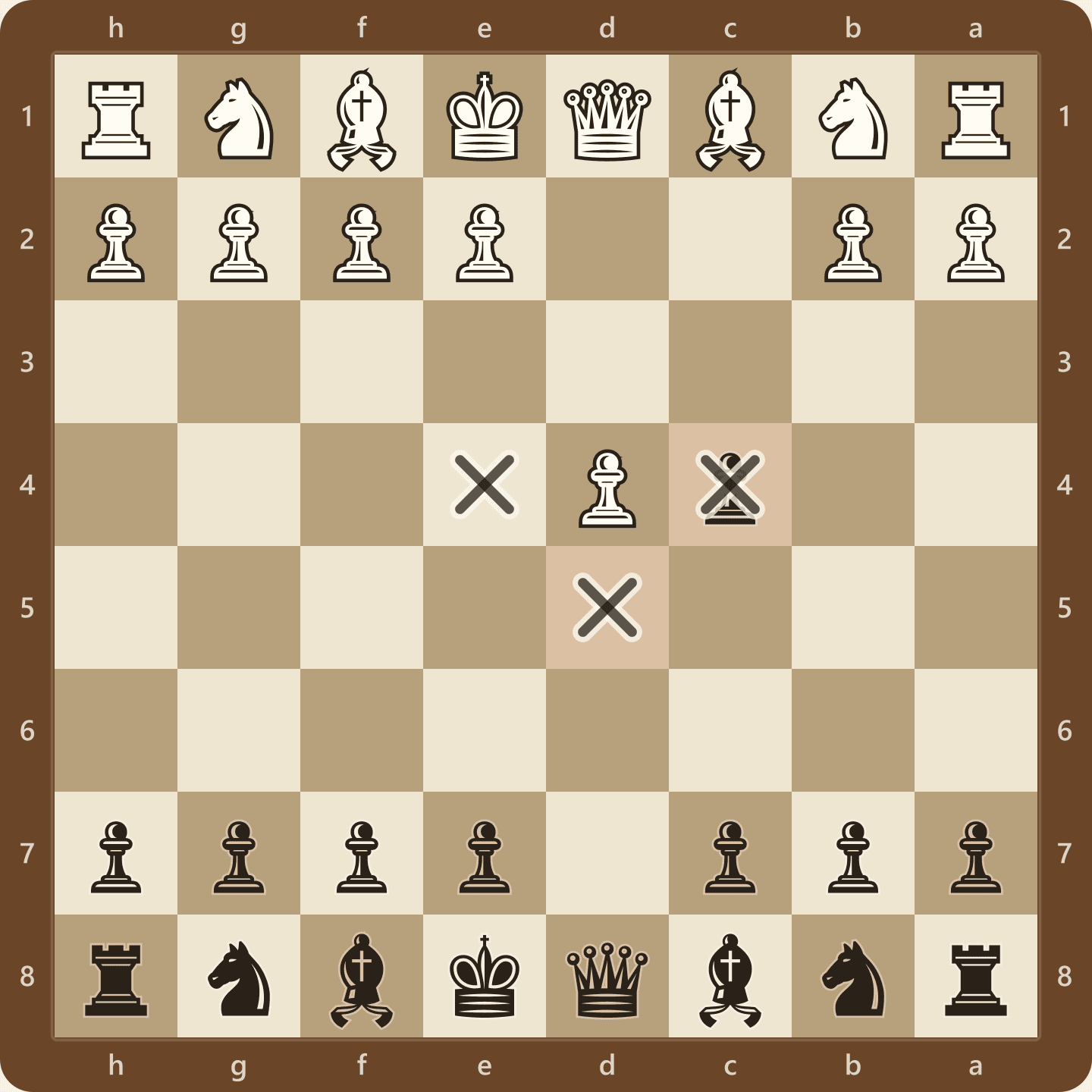
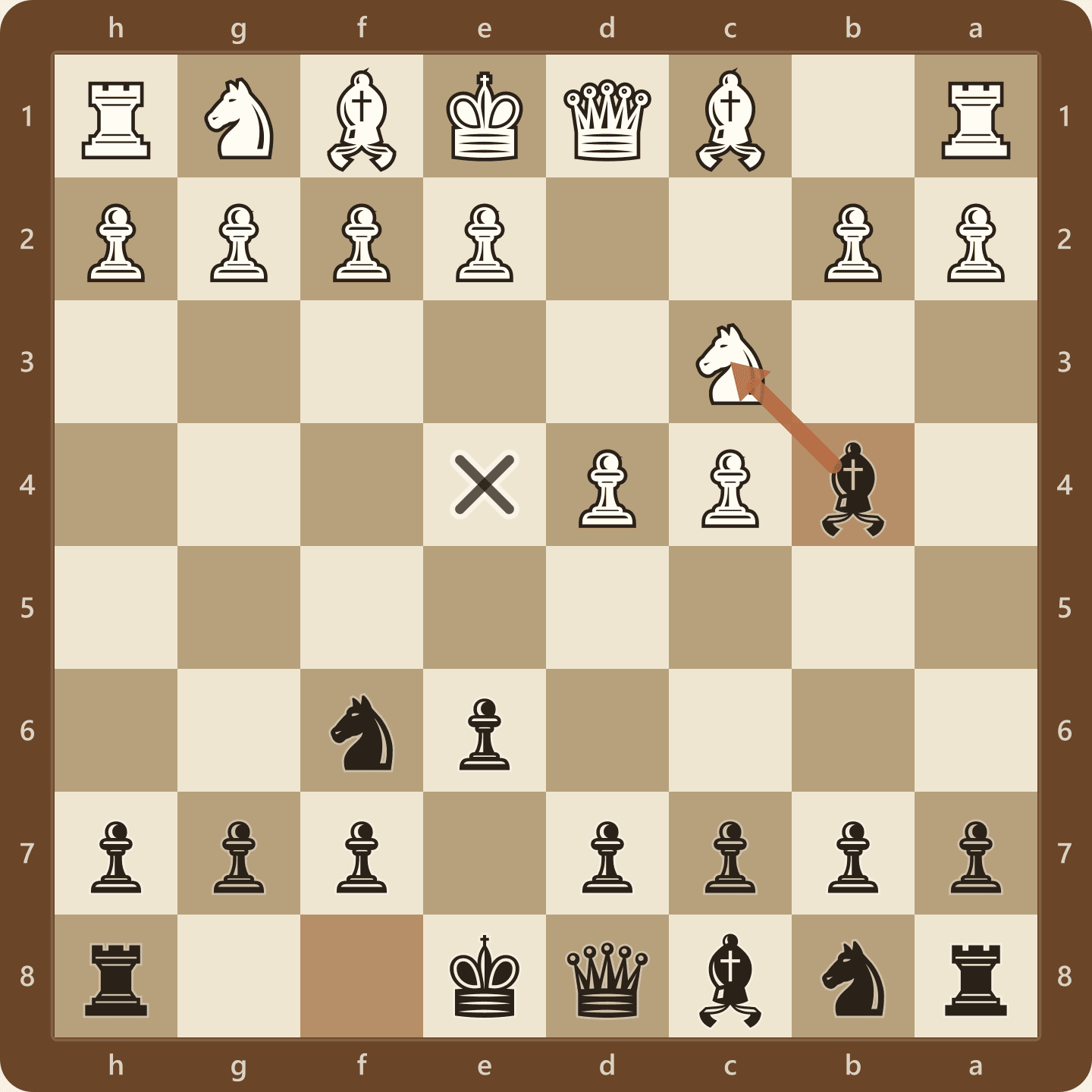
The Nimzo-Indian Defense and the King's Indian Defense are both too rare below 1400 for a confident low-band grade: 7,892 and 11,111 games respectively at the 1000 band. At 1800 the Nimzo grades 0.489 across 62,586 games and the King's Indian 0.480 across 81,854. Both are B grades, which puts them in the same territory as 1...Nf6 in general rather than above it.
The Dutch Defense grades D at 1000 and C above, never clearing 0.478. It is the most-recommended "aggressive answer to 1.d4" that the data does not support.
Against 1.c4, nothing Black plays grades better than C at the 1000 band. The least bad reply is 1...g6 at 0.482, then 1...Nf6 at 0.474. The worst is 1...d5 at 0.449 across 30,317 games. That is the real cost of the English Opening: it does not beat you, it just leaves you without a good answer.
Aggressive openings for Black
Black's aggressive options split cleanly into the ones with a score and the ones with a reputation.
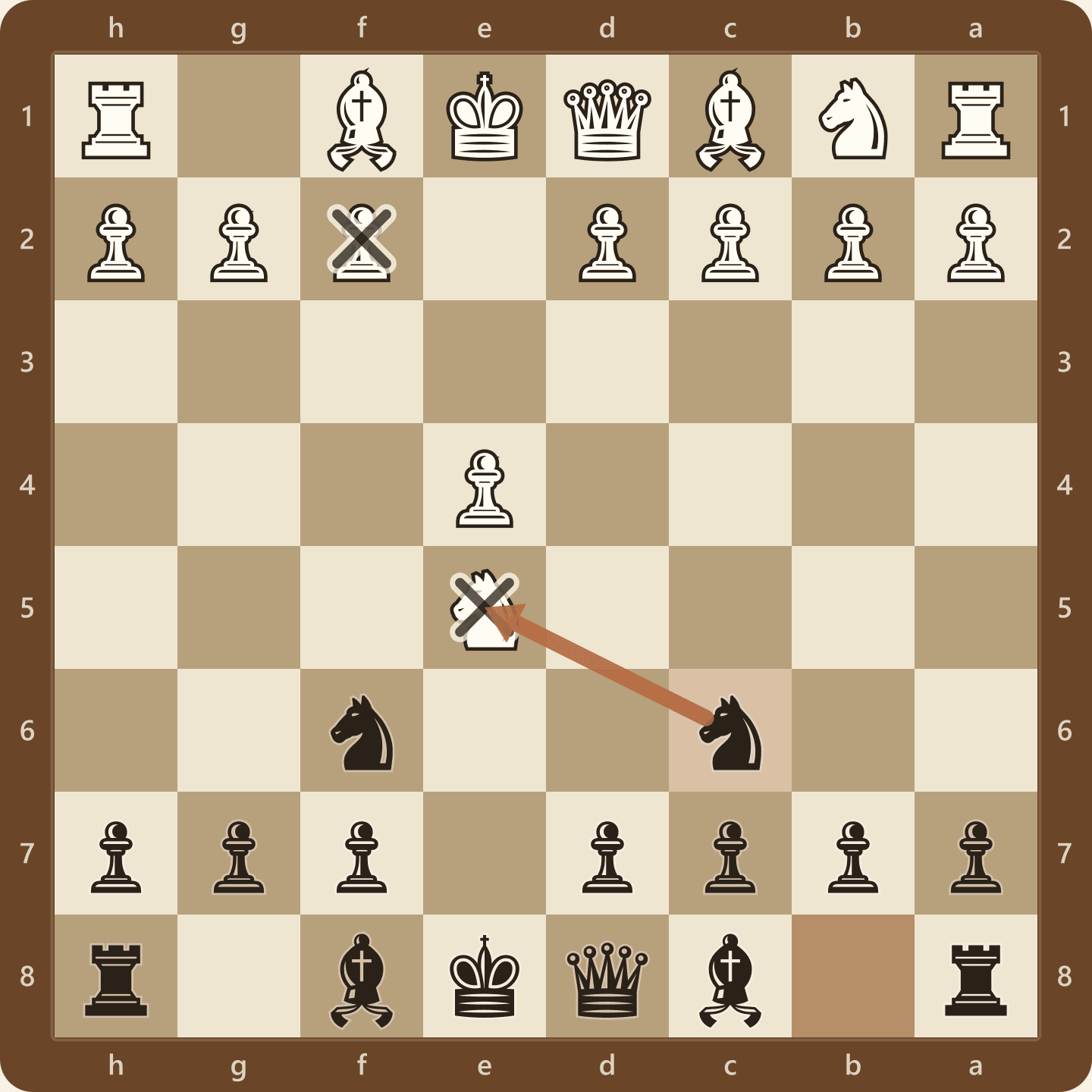
- Stafford Gambit (2...Nf6 3.Nxe5 Nc6): 0.533 at 1000, an A grade across 25,774 games, and 0.548 across 20,426 games if White accepts with 4.Nxc6 dxc6. By 1800 it is a C grade at 0.497. See the Stafford Gambit page.
- Englund Gambit main line (1.d4 e5 2.dxe5 Nc6 3.Nf3 Qe7): 0.527 at 1000, an A grade across 30,834 games, falling to C at 1800. See the Englund Gambit page.
- Blackburne-Kostić Gambit (3...Nd4 in the Italian): 0.529 at 1000 across 37,360 games, though its grade is only C because the material-swing data behind it is ugly.
- Elephant Gambit (2...d5): 0.474 at 1000 across 55,201 games, a C grade. Fun, not good.
- Albin Countergambit (against the Queen's Gambit): 0.452 at 1000, a D grade.
The aggressive openings page separates lines that win because they are sound from lines that win because nobody has seen them.
What we cannot rank
The Grünfeld Defense has zero rows in our win-rate dataset at every band, as do the Benko Gambit, the Scheveningen Variation of the Sicilian and the Stonewall. All are in our move database with verified lines, but the explorer sample we ingested never reaches them, so we have no score and we are not inventing one. They are ungraded, which is a different statement from a bad grade.
Thin coverage is the softer version of the same problem, and it applies to more of this page than you might expect. The Semi-Slav Defense has only 5,644 games at the 1000 band; the Najdorf has 5,223 at 1000 and just 221 in the 600 band, which is why it does not appear in our 600 column at all. The Wilson lower bound penalises exactly this, holding a thin line's score down until the games arrive, which is the reason we rank on it instead of on raw win percentage. Where a sample is small, read our placing as a floor rather than a verdict.
Frequently asked questions
What is the strongest chess opening for Black?
The Sicilian Defense, at a 0.507 Wilson lower bound at the 1000 band across 850,797 games, top of the list at 600, 1000 and 1400. It is also the only mainstream defense where Black outright wins more games than White at a full band, 49.12% to 47.54% at 1000.
What should Black play against 1.e4?
1...c5 (Sicilian) or 1...c6 (Caro-Kann). The Caro-Kann is ahead at the 600 band (0.508 across 127,035 games) and the Sicilian at 1000 and 1400. Both beat 1...e5, which grades 0.471 across 5,115,257 games at the 1000 band despite being the most common reply by a wide margin.
What should Black play against 1.d4?
1...Nf6, which grades 0.489 at the 1000 band across 338,880 games against 0.463 for 1...d5. If you do play 1...d5, be aware that all three of its main continuations grade C or D: the Queen's Gambit Accepted (D in every band), the Queen's Gambit Declined (C in every band) and the Slav Defense (C in every band).
What are the best Black openings for beginners?
The Caro-Kann Defense against 1.e4, at 0.508 in the 600 band across 127,035 games, with the lowest study cost of anything near the top. Against 1.d4, 1...Nf6 at 0.500. Avoid Petrov's Defense at this level, which grades D at 600 (0.428 across 142,567 games), and avoid taking on c4 against the Queen's Gambit. The beginner ranking weights theory load as well as score.
What are aggressive openings for Black?
The Stafford Gambit (0.533 at the 1000 band, 25,774 games) and the Englund Gambit main line (0.527, 30,834 games) are the two with A grades and real samples. Both decay to C by the 1800 band, which tells you they win on surprise rather than on soundness. The Sicilian is the aggressive choice that does not decay.
What is Magnus Carlsen's most common Black opening?
He does not have one in any useful sense, and neither did Garry Kasparov or Bobby Fischer late in their careers: elite players rotate defenses specifically so opponents cannot prepare. Our sample is rapid and blitz between 600 and 1800 on Lichess, so it says nothing about master play. Anyone quoting a grandmaster's repertoire as advice for a 1,200-rated player is answering a different question from the one you asked.
What should intermediate and advanced players play as Black?
The ordering changes as you climb. At the 1400 and 1800 bands the Scandinavian Modern Variation (2...Nf6) reaches an A grade, the Alekhine Defense climbs from a C at 1000 to a B at 1800 (0.508 across 180,096 games), and the Najdorf and Dragon finally get samples big enough to grade honestly, both landing around 0.501 to 0.505. The Sicilian and Caro-Kann stay near the top the whole way.