Chess opening theory is the published body of analysed opening moves. For a club player under about 1800, you need far less of it than the internet implies: the first six to eight moves of two or three openings you actually play, plus a short list of traps. The rest can wait.
That is the whole answer, and we are going to spend the rest of this article defending it rather than hedging it. The chess internet has a structural bias toward theory, because theory is easy to make content about. A 40-minute video on the Najdorf is straightforward to produce. "Go do 200 tactics puzzles and analyse your last ten losses" is not a video anyone clicks. Every position below was played out with python-chess before it was drawn, so the diagrams and the notation cannot drift apart.
What opening theory actually is
Theory means the moves that have already been worked out and written down. When you play a move that appears in databases and books, you are "in book". When someone plays something new in a known position, that is a novelty. When your opponent plays a move nobody has bothered to catalogue, you are "out of book" and on your own.
Openings get names and codes so people can talk about them: ECO codes A00 to E99, plus a naming tradition that is mostly geography and dead players. Broadly, they sort into Open Games (1.e4 e5), Semi-Open (1.e4 without 1...e5, so the Sicilian Defense, the Caro-Kann, the Scandinavian Defense), Closed (1.d4 d5, the Queen's Gambit and friends), Semi-Closed (1.d4 without 1...d5, the King's Indian Defense and the rest), and flank openings such as the English Opening. Our main openings guide is the full map.
Here is what "deep theory" looks like in practice. This is a main line of the Najdorf, a Sicilian variation that is one of the most analysed positions in the game.
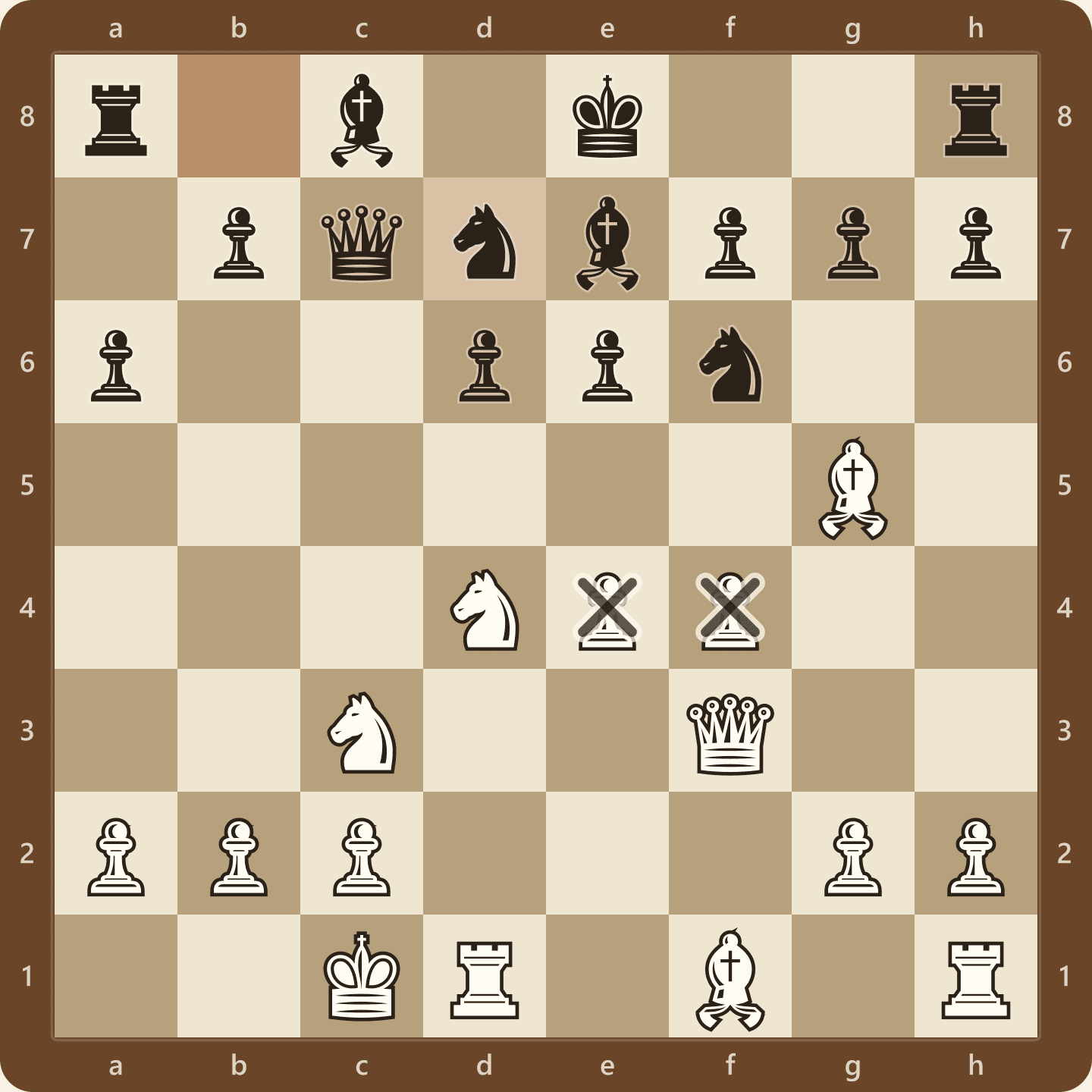
Reaching that position against a real opponent requires both of you to know eighteen consecutive moves. Play a hundred rapid games at 1200 and count how many times it happens. That number, whatever it is for you, is the actual return on studying it.
Where your opponents actually leave the book
Do not take our word for this. Do the measurement, because it takes ten minutes and it is your own data rather than someone else's.
Open your last ten games in an opening explorer on Lichess or Chess.com, and find the first move that either player made which the database barely has. That is the moment theory stopped helping. For most players below 1500 that moment arrives early, and everything after it was decided by ordinary chess: seeing a threat, not hanging a piece, having a plan.
If your opponents leave the book on move six, then move nine of your preparation has never once been used. That is not a criticism of studying openings. It is an argument about depth.
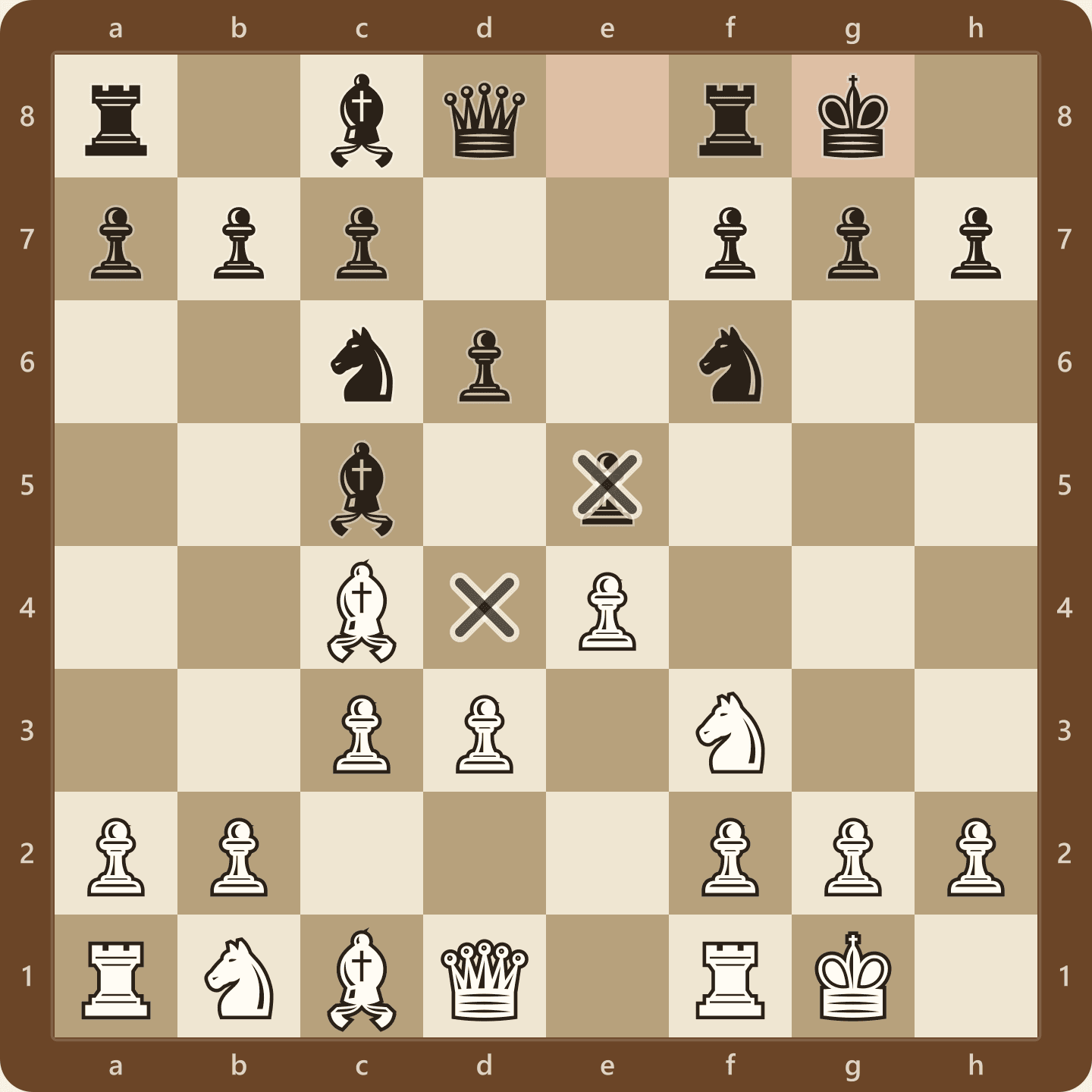
Look at that position. Both sides control the centre, both have developed knights and bishops, both have castled. You can reach it from opening principles alone: pieces out, centre contested, king safe, no piece moved twice without reason. Our opening principles piece lists the rules that get you there.
The honest answer, by rating band
We will commit to specifics rather than saying "it depends".
| Rating (rapid) | Theory worth learning | What to skip |
|---|---|---|
| Under 800 | Opening principles only, plus how to stop Scholar's Mate | Named variations entirely. All of them. |
| 800 to 1200 | First 4 to 6 moves of one White opening and one reply to each of 1.e4 and 1.d4, plus 3 or 4 traps you have actually lost to | Sidelines, sub-variations, anything with a person's name attached to move nine |
| 1200 to 1600 | 6 to 8 moves deep, plus the typical middlegame plan and pawn structure for each | Second and third choices for your opponent that you have never faced |
| 1600 to 2000 | 8 to 12 moves in your main lines, plus real work on the resulting structures | Full grandmaster main lines you cannot yet play the endgames of |
| 2000 and up | Now it genuinely pays. Depth, novelties, engine preparation | Nothing. This is the level the content was written for. |
The pattern to notice is that the useful thing grows sideways, not downward. Going from 1200 to 1600 is not about learning move 12 of your line. It is about learning what to do in the position you already reach on move eight.
Why deeper memorization does not pay yet
The argument is simple and it holds regardless of what the numbers turn out to be.
An opening advantage at club level is measured in fractions of a pawn. A hanging knight is measured in three pawns. If games at your level are still being decided by pieces going missing and mates being overlooked, then the size of your opening edge is noise next to the size of your mistakes. Any study hour spent widening a small edge instead of shrinking a large error is an hour spent on the wrong side of the ledger.
We are deliberately not quoting a blunder frequency or a win rate here. A number without its rating band and sample size is worse than no number, and our own dataset is still being built. When it lands, the blunder figures will live in blunder rate by rating and the opening figures in chess opening win rates, with the band and the source attached to every one. Until then, the qualitative argument above stands on its own, and it does not need a statistic to work.
It is worth knowing that this complaint is old and it comes from the top. Bobby Fischer grew so frustrated with opening memorization dominating results that he promoted a randomised starting position specifically to make preparation worthless. Aron Nimzowitsch was making the case for understanding over memorising a century ago, and My System is still more useful to a 1200 than any opening course.
The three things that are genuinely worth memorizing
One: the traps that end games before move ten. Not all of them, just the ones your rating band actually plays. Scholar's Mate is the obvious one, because the threat comes with the queen on h5 and beginners lose to it repeatedly.
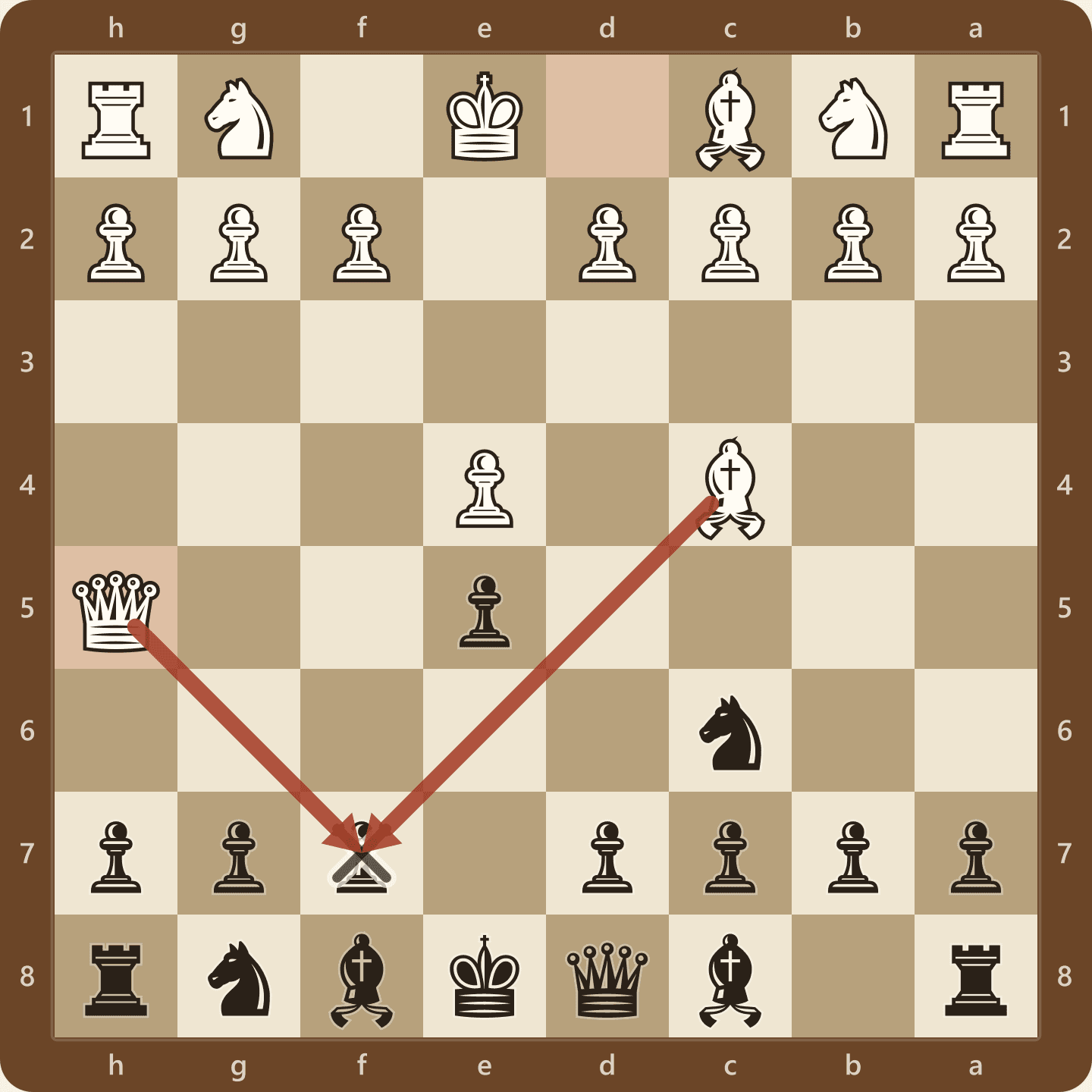
The Fried Liver Attack is the next one up, and it decides a genuinely large number of games in the 900 to 1400 range because the sacrifice looks unsound and is not.
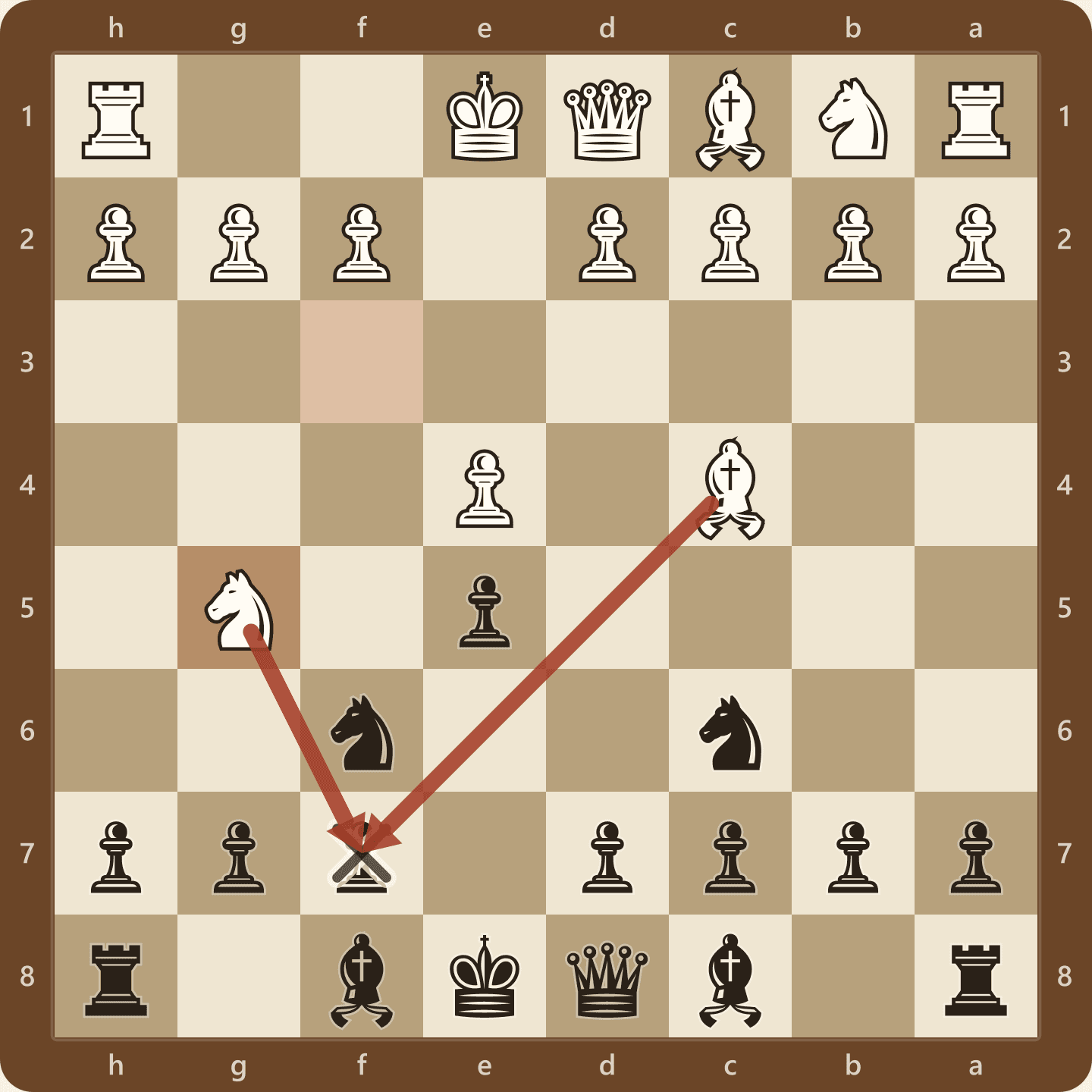
Our opening traps collection covers the rest of the short list. Learn the ones you have personally lost to and ignore the others.
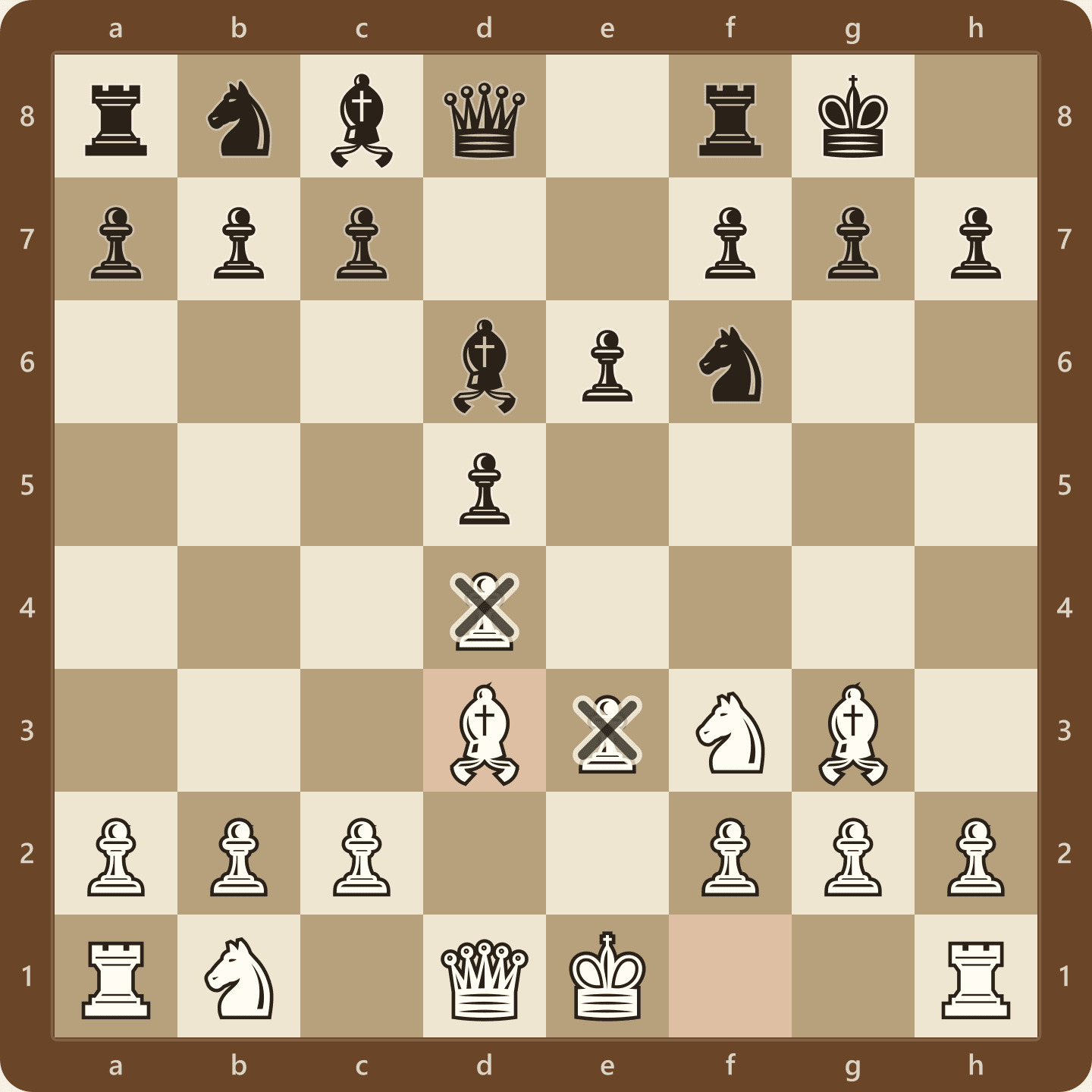
Two: a first repertoire you can play by shape. A system opening gives you a fixed setup you can aim for against almost anything, which is the cheapest possible way to have an opening. The London System is the famous example and gets mocked for exactly that reason.
For Black, the Scandinavian Defense does the same job against 1.e4: one idea, very few branches, and you are out of the theory war on move two.
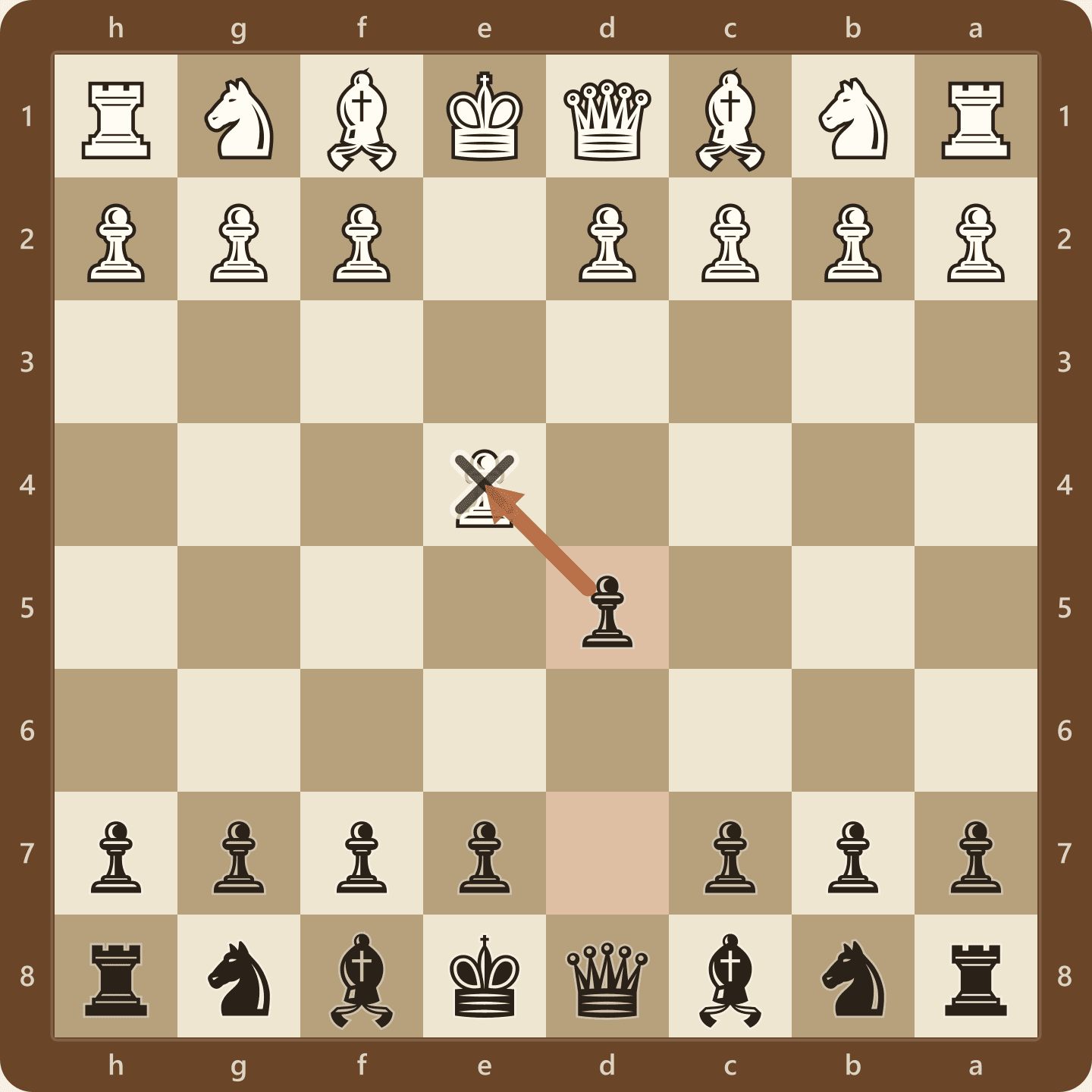
That is the underrated benefit of a narrow repertoire: it deletes your opponent's preparation as well as reducing yours.
Three: the middlegame plan attached to each opening you play. This is the part almost everyone skips, and it is the part that actually converts. Knowing the moves of the Queen's Gambit Declined is worth much less than knowing what the resulting structure wants.
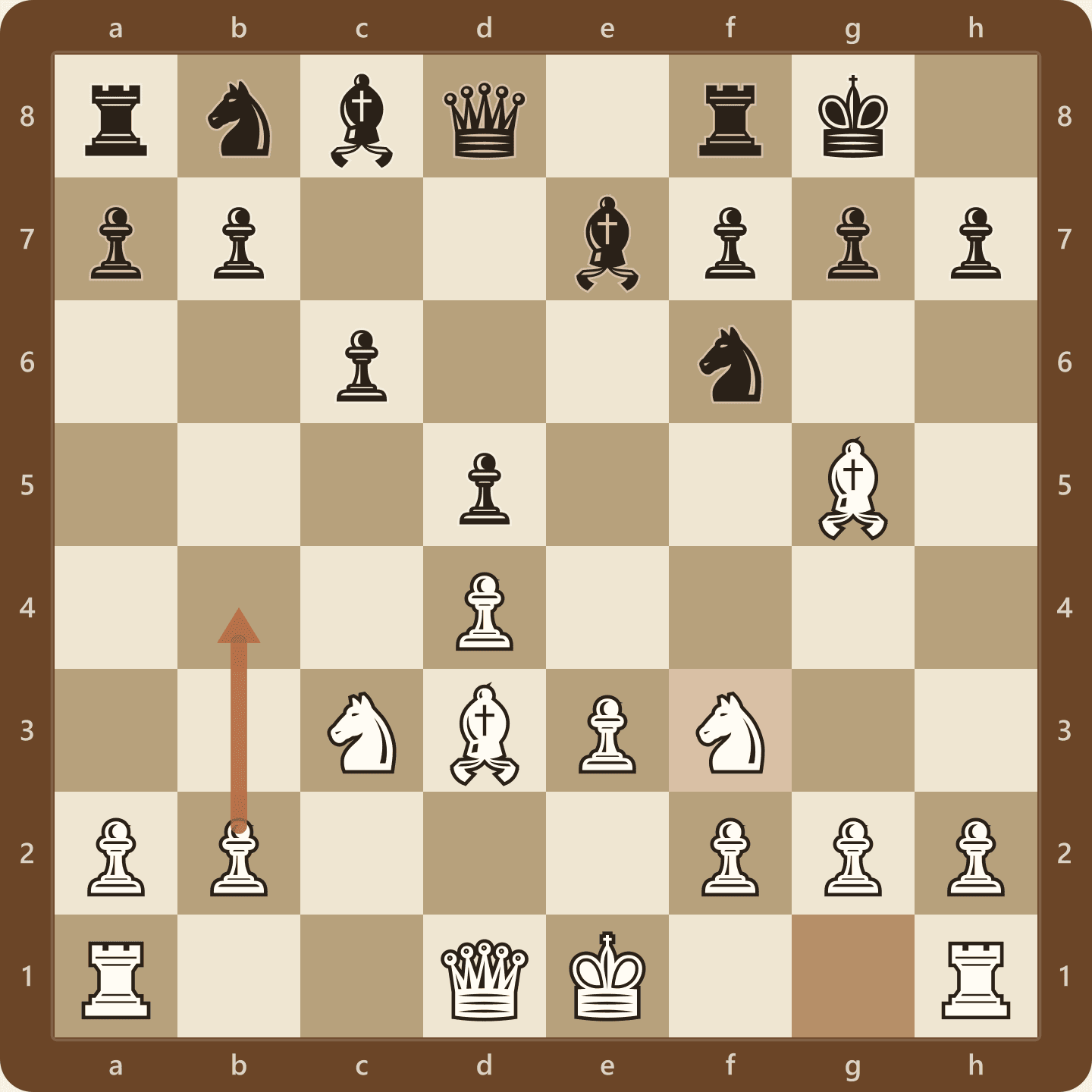
One structure understood transfers across dozens of openings. One line memorised transfers across none.
What to study instead
In rough order of return per hour for a player under 1600.
Tactics, daily, in short sets. This is where your games are actually decided and the effect compounds into everything else.
Your own losses. Play through each one without an engine first, find the move where you think it went wrong, then check with Stockfish through Lichess or Chess.com and see if you were right. That last step trains the skill you actually use during a game, which is judging positions yourself.
Basic endgames. King and pawn, rook and pawn, the opposition. These are finite, they never change, and they turn a large number of drawn positions into wins.
Middlegame plans and pawn structures. See the Carlsbad diagram above.
Opening study belongs on that list, just lower down and shallower than the algorithm has told you.
When memorization starts to pay off
Three signals, all of which have to be true at once.
You stop losing games to tactics you could have seen. You start reaching a playable middlegame and then not knowing what to do with it. And you start facing the same opponents or the same specific lines repeatedly, which is when preparation compounds instead of evaporating.
At that point, going deeper is correct, and the tooling is there: an opening explorer for what people actually play, a database such as ChessBase or the free Lichess one for master games, and an engine to check your ideas. Our guides on learning openings without memorising endless lines, building a repertoire and practising them cover the method. If you have not picked a repertoire yet, start with what opening should you play.
One last thing worth saying plainly. Nobody has ever lost a chess game because their opening preparation was only six moves deep. They lost because of what happened on move nineteen.
Frequently asked questions
What is the theory behind the opening in chess?
Opening theory is the accumulated, published analysis of how the first phase of the game should be played: which moves have been tested, what they lead to, and how each side should respond. It exists because the same positions recur constantly, so the work of analysing them only has to be done once. Playing a catalogued move is called being in book; playing something the databases have not seen is being out of book.
What are the three golden rules of opening in chess?
Control the centre, develop your pieces toward it, and get your king safe by castling early. Almost every classical opening move serves at least one of those three, and if you can explain a move by naming which one it serves, you can play a reasonable opening without knowing any theory at all.
What is the statistically best chess opening?
There is no single answer, and anyone giving you one without a rating band and a sample size is guessing. Win rates shift substantially between rating levels, because an opening that punishes inaccurate play scores well against inaccurate players and poorly against accurate ones. We are building that dataset properly and will publish it with bands and sources in our chess opening win rates guide rather than quote a number we cannot back.
How many chess openings should I learn?
Three to start: one opening as White, one answer to 1.e4, one answer to 1.d4. That covers every game you will play. Add a second option only when you have a specific reason, such as repeatedly facing something your current choice handles badly.
Is it better to memorize openings or understand them?
Understand them, with one exception. Memorisation is only worth it for forcing lines where a single wrong move loses immediately, which mostly means traps. Everywhere else, understanding the plan lets you find reasonable moves in positions you have never seen, and you will be in one of those positions within a few moves of leaving the book.
Should beginners learn opening theory at all?
A little. Learn the principles, learn how to stop the two or three quick mates, and pick a simple setup you can repeat. Skip named variations completely until you stop losing pieces, because opening knowledge cannot help a game that is decided by a hanging bishop on move fourteen.
What is the difference between an opening system and opening theory?
A system is a fixed piece arrangement you aim for almost regardless of what your opponent does, such as the London System. Theory is move-by-move analysis that branches according to the opponent's replies. Systems cost far less to learn and give up a little objectively, which is usually a good trade below master level.