A chess opening repertoire is the fixed set of openings you play every game: one first move as White, one answer to 1.e4 as Black, and one answer to 1.d4. Build it by picking those three first, sizing them to the study time you really have, then plugging the gaps your own games expose.
Most repertoire advice starts from what is objectively best. That is the wrong end. The best repertoire you cannot maintain loses to the mediocre repertoire you know cold, every time, so the first decision is not which openings, it is how many hours a week exist.
Start with the hours, not the openings
Be honest about the number. Not the number you would like, the number that survived last month. For most adult improvers it is somewhere between one and four hours a week, and a lot of that goes to tactics, which it should.
Then match the repertoire to it:
- About one hour a week. System openings. You want setups where you play roughly the same moves against most replies, so the memory load is one shape rather than twelve branches.
- About three hours a week. Classical openings with a small anti-line kit. You learn real positions and one prepared answer to each of the three or four annoying defenses.
- Six hours or more, consistently. Main lines. Now theory pays, because you will actually reach move twelve knowing what you are doing.
There is no prize for the third tier. Plenty of 1600-rated players hold a tier-one repertoire and beat people who half-know a tier-three one.
The build, step by step
Step 1
Fill the three slots before anything else
White first move, Black against 1.e4, Black against 1.d4. Write the three names on one line. If you cannot fill all three today, use the opening picker, which asks about your style and study time and hands you a matching set. Do not start studying until all three slots have a name in them.
Step 2
Cover every reply five moves deep, before you go ten moves deep on anything
Breadth first, always. For your White opening, list every common Black reply and write a five-move answer to each. Depth without breadth is the classic failure: you know your main line to move eighteen and have no idea what to do when someone plays a sideline on move two.
Step 3
Plug the loud gaps next
Some replies are far more common than others, and they are where you lose games without knowing why. If you play 1.e4 the loud gap is the Sicilian Defense. If you play 1.d4 it is the King's Indian and Grunfeld setups. Handle those before you polish anything else.
Step 4
Write one plan sentence per opening, not per line
For each of your three openings, write down where your pieces go, what your pawn structure is trying to do, and the one middlegame plan that follows. Understanding beats memorizing not because memory is bad, but because a plan regenerates a forgotten move and a forgotten move regenerates nothing.
Step 5
Play fifty rapid games before you judge any of it
10+0 or 15+10, on Lichess or Chess.com. Fifty games is roughly the point where you stop meeting new replies every session. Losses inside that window are data, not a verdict on the opening.
Step 6
Refine from your own games, weekly
After each session, find the first move in each loss where you were guessing, and add that position to your repertoire with an answer. This is the only maintenance the repertoire needs, and it is what keeps it pointed at the opponents you actually get rather than the ones in the book.
Three packages, by study budget
Each row is a complete repertoire: one White opening, one answer to 1.e4, one answer to 1.d4. Pick a row, not a mix.
| Budget | As White | Black vs 1.e4 | Black vs 1.d4 | The trade-off |
|---|---|---|---|---|
| About 1 hour a week | London System | Scandinavian Defense | Slav or Queen's Gambit Declined | Fewest branches in chess. You will reach playable middlegames forever and rarely win a game in the opening |
| About 3 hours a week | Italian Game plus the Alapin against the Sicilian | Caro-Kann or French Defense | Nimzo-Indian and Queen's Gambit Declined | Real positions, real plans, and about four sidelines to prepare. The best value per hour for most improvers |
| 6+ hours a week | Ruy Lopez | Sicilian Defense | King's Indian Defense | Excellent chess and a permanent homework assignment. Skip unless the hours are genuinely there |
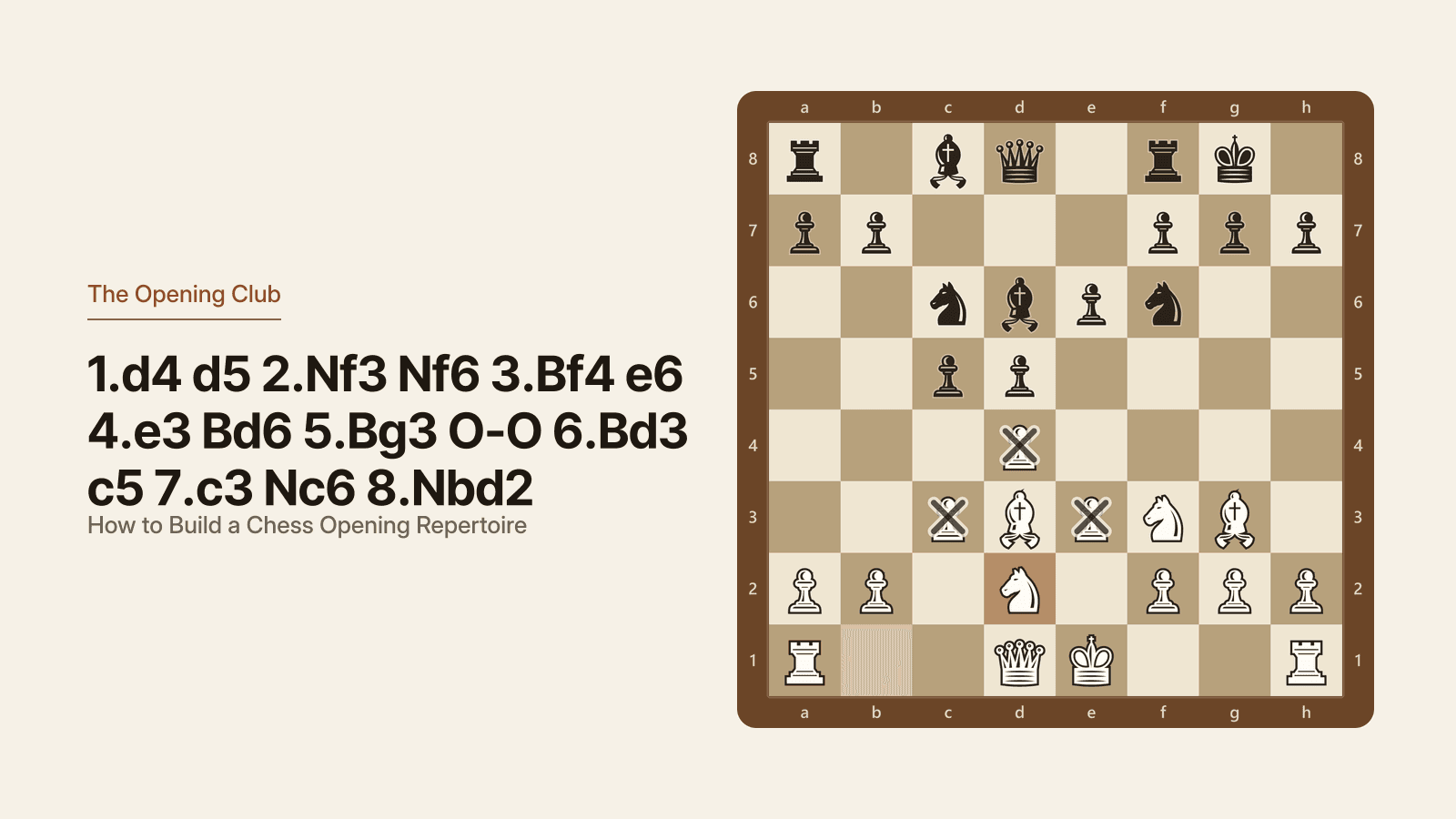
The one-hour row is built on systems. Here is what that means in practice: the London System plays nearly the same eight moves whatever Black does.
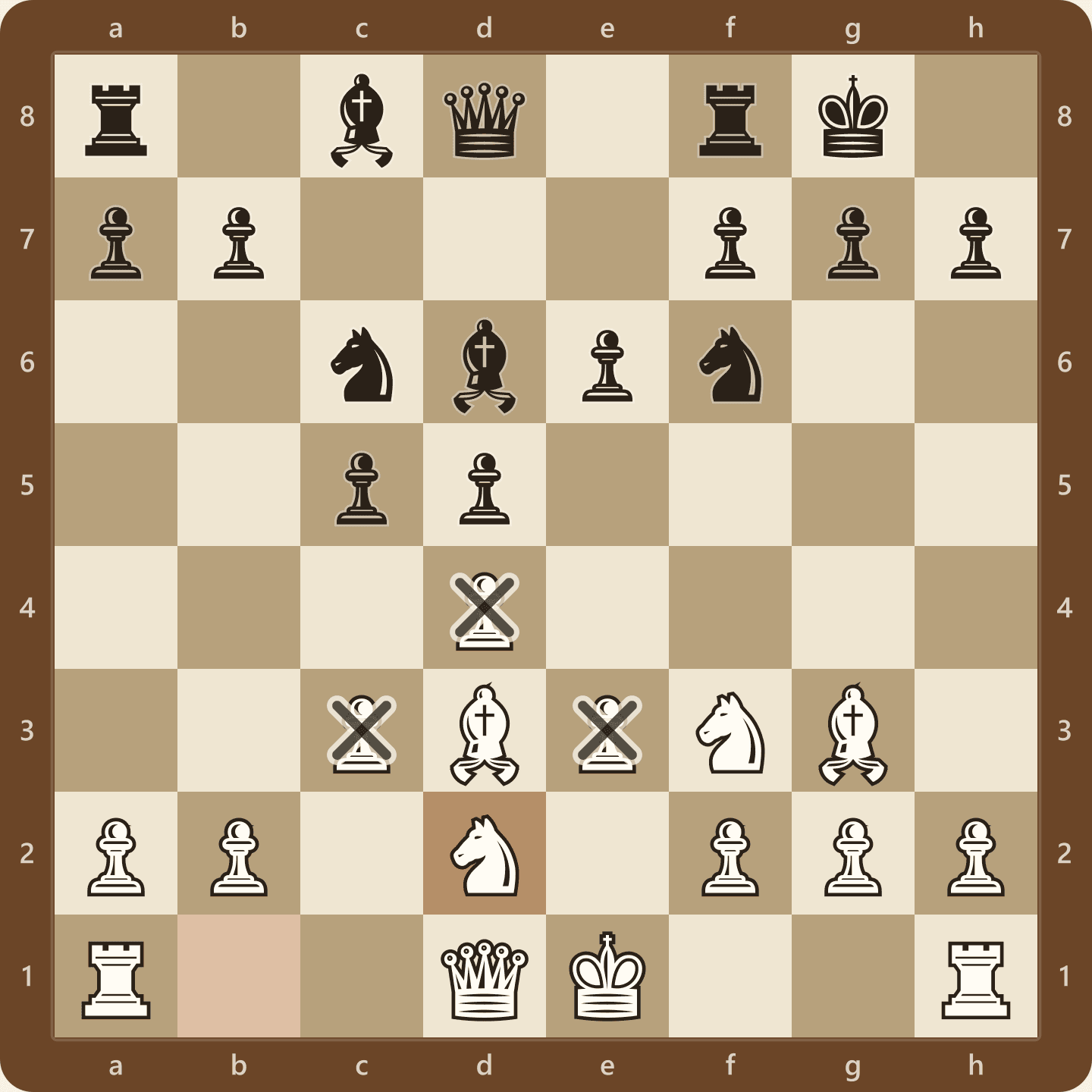
The three-hour row swaps some of that safety for positions where you have real plans. Its cost is the anti-line kit: openings like the Italian Game need a prepared answer to the Sicilian, and for a repertoire this size the Alapin Variation is the standard pick because it is one idea rather than a library. The Smith-Morra Gambit is the sharper alternative if you would rather trade a pawn for initiative.
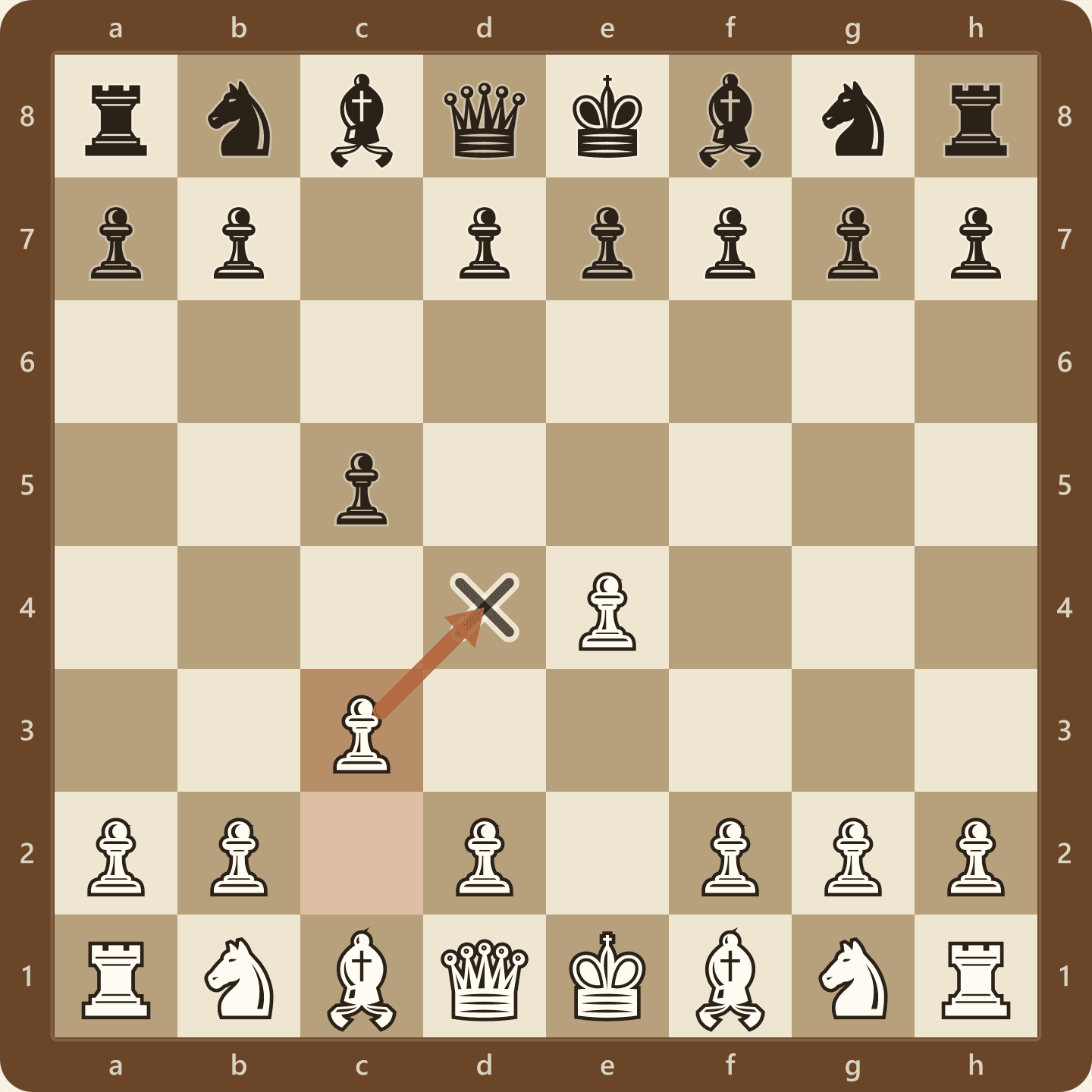
Other White first moves are legitimate and change the shape of the job. The English Opening with 1.c4 and the Réti with 1.Nf3 both delay committing the center, which suits players who like flexible positions and dislike sharp forcing lines. Both also transpose constantly, which is the next problem.
Move orders and transpositions
A transposition is when two different move orders arrive at the same position. This is the thing that quietly breaks beginner repertoires, because you can know an opening perfectly and still not recognise it when it shows up through a side door.
Two habits handle it. First, learn positions rather than move sequences, so you recognise the picture regardless of the route. Second, when you file a line in your repertoire, note what it can transpose into. The Queen's Gambit family in particular is a road network, not a road.
Your Black repertoire is two jobs, not one
Half of your games start with someone else's choice, so the Black side of the repertoire is where most of the surprises live. Split it cleanly.
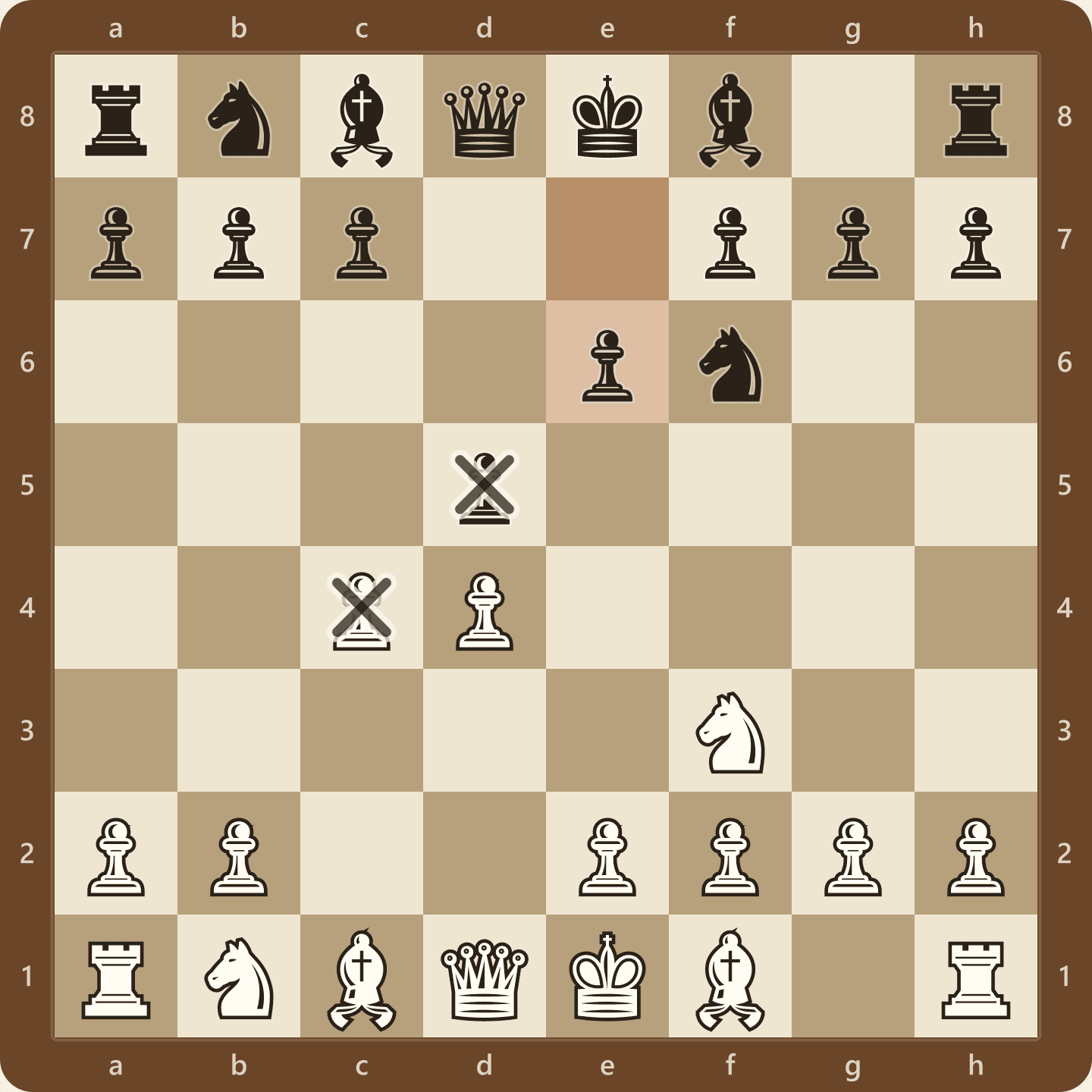
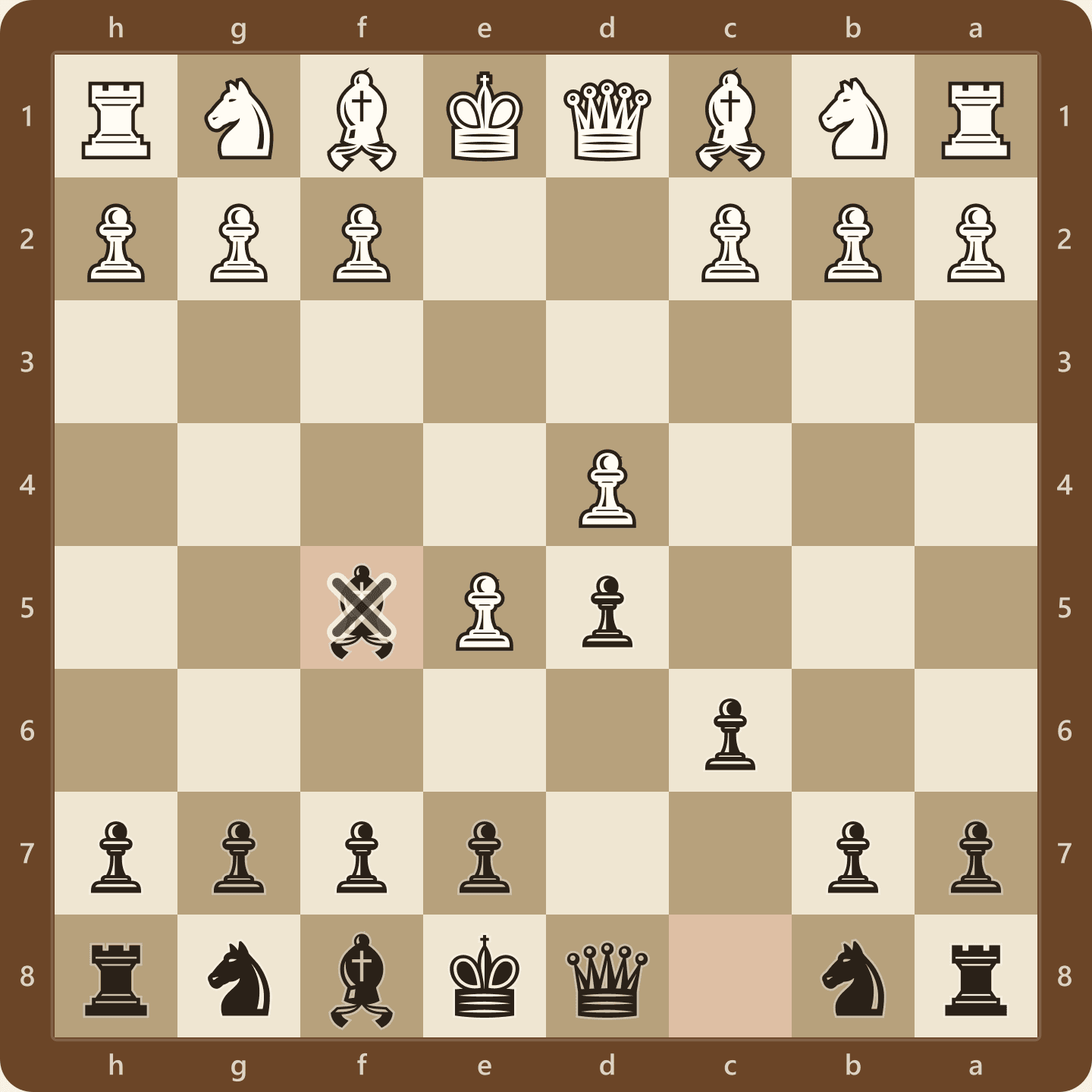
Against 1.e4, the practical picks are the Caro-Kann Defense and the French Defense if you want one structure you learn once, the Scandinavian Defense if you want the smallest possible memory load, and the Sicilian Defense if you have the hours. The Caro-Kann's most common test looks like this.
Against 1.d4 the standard three are the Queen's Gambit Declined, the Nimzo-Indian Defense and the King's Indian Defense, in rising order of theory. The Dutch Defense with 1...f5 is the aggressive outlier: fewer people prepare for it, and it takes real structural risks around the king.
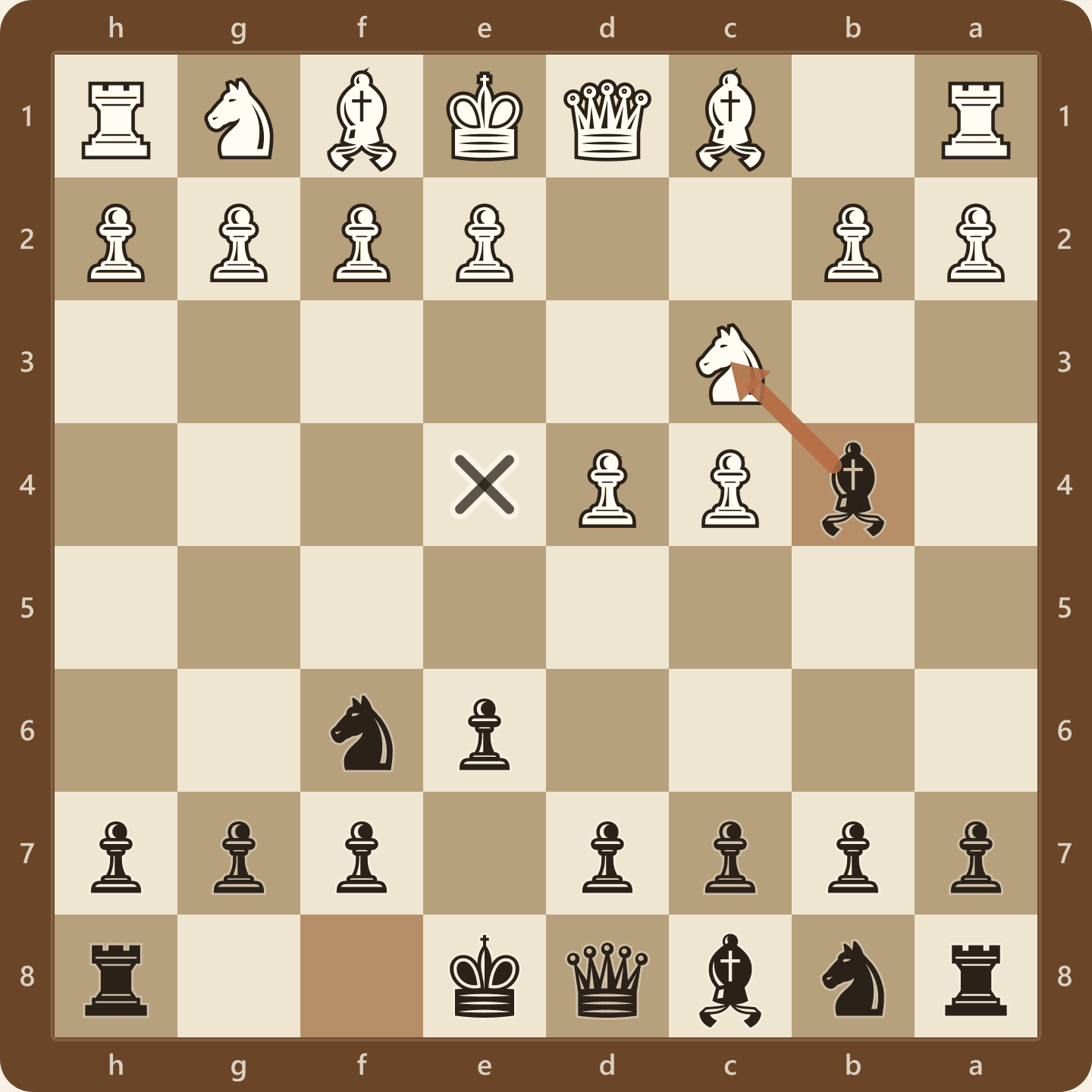
Note the gap that catches everyone: 3.Nc3 is not forced. If White plays 3.Nf3 you are in a different opening, and your repertoire needs a name for that square too. Breadth first.
Testing and updating
A repertoire is not finished, it is maintained. Three habits keep it honest.
Analyze your own games. This is the highest-value thing on the list. Find the departure point in each loss and file an answer. Our walkthrough of the tooling is how to use a chess opening explorer.
Study a few model games. Two or three well-annotated games in each of your openings teach you the middlegame plans that the move list never mentions. This is where "learning ideas" stops being an abstraction: you see what the pieces do after the opening ends.
Store it somewhere. Lichess studies are free and let you keep chapters with your own notes. Chessable adds spaced repetition on top and has a large free tier. Chess.com's Game Review is the fastest way to spot where you left your own book. Any of the three beats a mental note.
Once a season, prune. Lines you have never met in fifty games are lines you are maintaining for nobody.
Five ways repertoires go wrong
- Building for the player you want to be. A main-line Sicilian repertoire at one hour a week is a hobby, not a plan.
- Depth before breadth. Move eighteen knowledge with a move three hole.
- Rebuilding after every bad week. Fifty games, then judge.
- Ignoring the loud gap. If you play 1.e4 and have no Sicilian answer, a large slice of your games starts with you improvising.
- Copying a strong player's list. Their repertoire is sized to their study time and their opponents. Neither of those is yours.
Underneath all five is the same thing: the opening principles carry you further than a half-learned line, so a small repertoire you understand is never the risky option.
Frequently asked questions
What is a good chess opening repertoire for beginners?
The London System as White, the Scandinavian Defense against 1.e4, and the Queen's Gambit Declined or Slav against 1.d4. All three are setups rather than branching theory, so you can learn the shape once and play it against most replies. Swap the London for the Italian Game when you want more attacking chances and can afford a little more study.
What is the best chess opening repertoire?
The best one is the one that fits your hours. If you study six or more hours a week, the Ruy Lopez, Sicilian Defense and King's Indian Defense set is genuinely the strongest of the three packages above. Below three hours a week that same set is worse than the London package, because a half-known main line is a liability.
How many openings should be in a repertoire?
Three to start: one as White and two as Black. That covers every game. Add a second White option only when you can play all three from memory and explain the plan behind each without looking, which for most improvers is a year of play rather than a month.
How deep should each line go?
Five or six moves against everything before ten moves against anything. The position that beats you is almost never the main line, because both of you leave the main line early. It is the reply you never wrote down.
When should I change my repertoire?
When you can articulate a reason that is not a losing streak. Good reasons: you now have more study time, you keep reaching middlegames you dislike, or your rating rose enough that opponents prepare for you. Bad reason: three losses in an evening.
Start here
Fill the three slots, size them to your real hours, and cover every reply shallowly before you go deep on anything. If the slots are still blank, the opening picker will fill them in about two minutes.
From there, how to learn chess openings covers the study method and how to practice chess openings covers the drilling. Our complete guide to chess openings is the map of everything the three slots could hold.