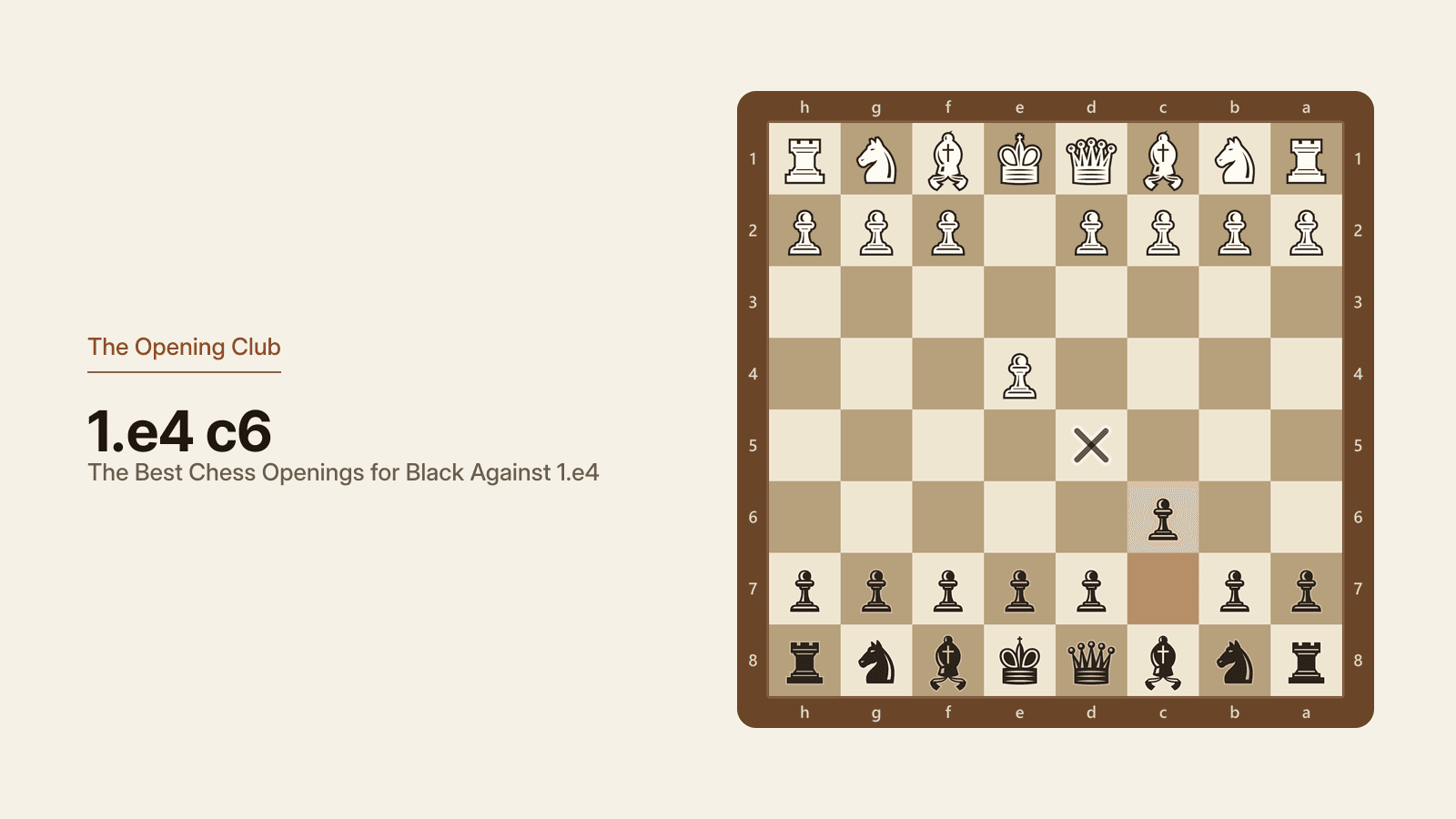
Two thirds of your games as Black start with 1.e4, so the question of which chess openings work for Black against e4 is the single highest-leverage decision in your repertoire. This is that comparison run on numbers rather than vibes: five defenses, four rating bands, and the Black-side score for each, from 49.8 million games in the Lichess open database for May 2026. Any single line can be checked against the source in the Lichess opening explorer.
The winner overall is the Caro-Kann Defense. The loser is 1...e5, which is also the move more than half of all players actually make.
How these five compare
A "score" is wins plus half of draws, this time from Black's side. Anything above 50% means Black is outperforming White from that position, which is unusual and worth noticing. Rating bands are Lichess bucket lower bounds, so the 1000 band covers players rated 1000 up to the next bucket. There is no 800 or 1200 band.
| Defense | Move | 600 band | 1000 band | 1400 band | 1800 band | Games (1800 band) |
|---|---|---|---|---|---|---|
| Caro-Kann Defense | 1...c6 | 51.0% | 50.5% | 50.9% | 49.9% | 1,246,228 |
| Sicilian Defense | 1...c5 | 50.7% | 50.8% | 50.6% | 49.8% | 2,610,015 |
| French Defense | 1...e6 | 49.5% | 50.0% | 50.2% | 49.8% | 1,355,032 |
| Scandinavian Defense | 1...d5 | 48.1% | 48.2% | 49.4% | 49.6% | 1,232,963 |
| Open Games | 1...e5 | 46.9% | 47.1% | 47.3% | 47.1% | 4,409,977 |
Rankings above use a Wilson lower bound rather than the raw percentage, which is what stops a small sample from outranking a large one. At these volumes it barely moves anything, but it does settle the 1800 band, where the top three finish within a tenth of a point of each other.
Two results deserve to be read twice.
The Caro-Kann and the Sicilian both push Black above 50% at three of the four bands. That is Black outscoring White from a position where White moved first, which is not supposed to happen.
1...e5 is last at every single band, by two to four points. It is also the reply Black chooses 54.7% of the time. The most popular answer to 1.e4 is the worst-performing answer to 1.e4, and the gap is roughly three times the entire difference between playing 1.e4 and 1.d4 as White.
The Caro-Kann Defense: the overall winner
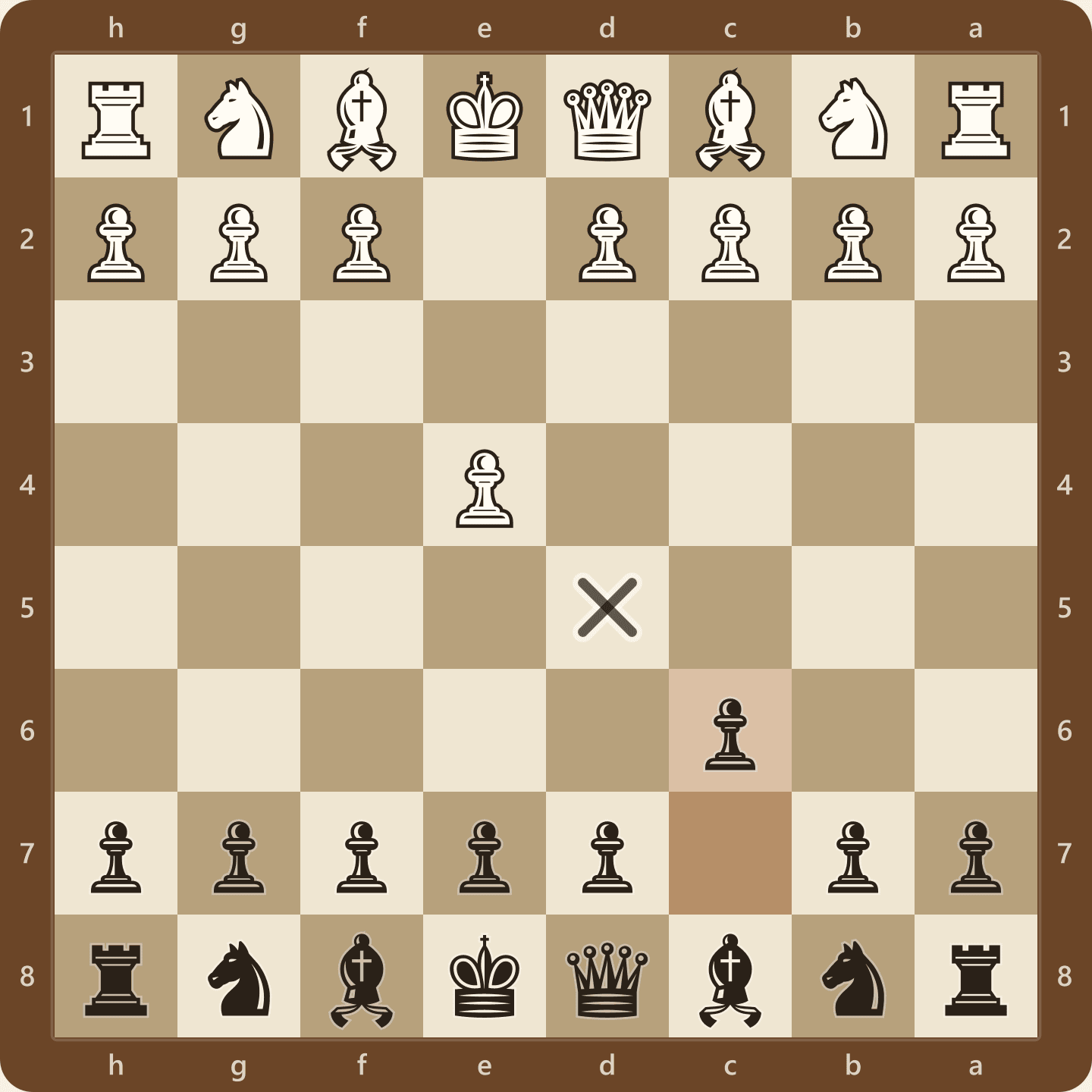
1...c6 prepares 2...d5 so that Black can contest the centre with a pawn that is defended rather than one that gets chased. It scores 51.0%, 50.5%, 50.9% and 49.9% across the four bands, topping the table at three of them, on samples from 127,035 games at the 600 band to 1,246,228 at the 1800 band.
The comparison people always draw is with the French, and it is the right one, because the two defenses share a plan and differ on one detail: the French plays 1...e6 and locks its own light-squared bishop behind the pawn chain, while the Caro-Kann plays 1...c6 and leaves that bishop a free diagonal. That single difference is most of the Caro-Kann's reputation for being pleasant to play.
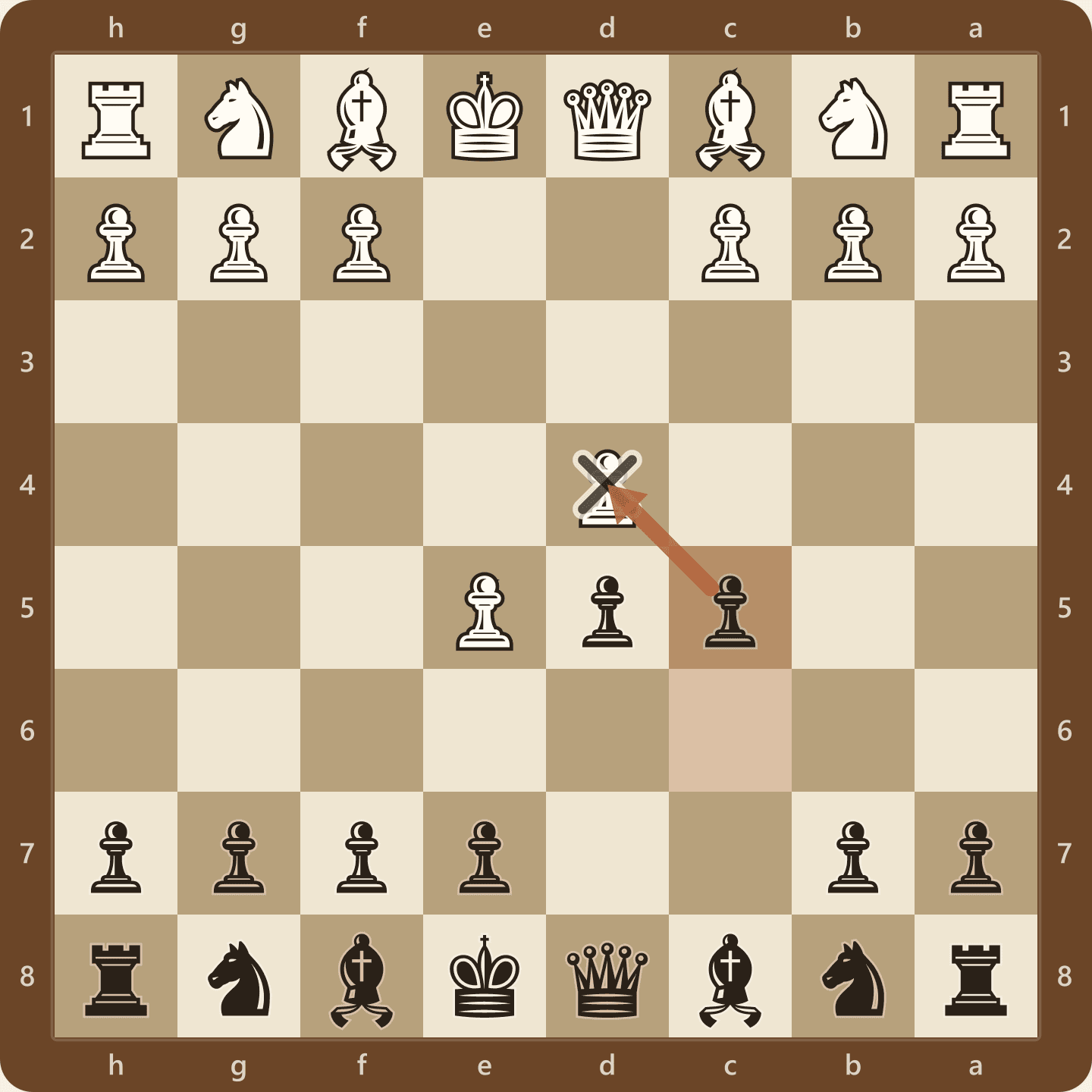
The main line White chooses at amateur level is the Advance Variation, 2.d4 d5 3.e5, where Black strikes back with 3...c5 at the base of the pawn chain. Black scores 49.7% there at the 1000 band on 40,067 games, rising to 50.4% at the 1800 band on 72,038.
One warning the data does deliver: the Classical Variation, where White plays 3.Nd2 and Black answers 4...Bf5, is the Caro-Kann's weak spot at online speeds. Black scores 44.0% there at the 1800 band across 46,787 games, well below the defense's overall figure. If you play the Caro-Kann, that is the line to actually study rather than the one the courses spend the most time on.
The Sicilian Defense: the sharpest, and the best at 1000
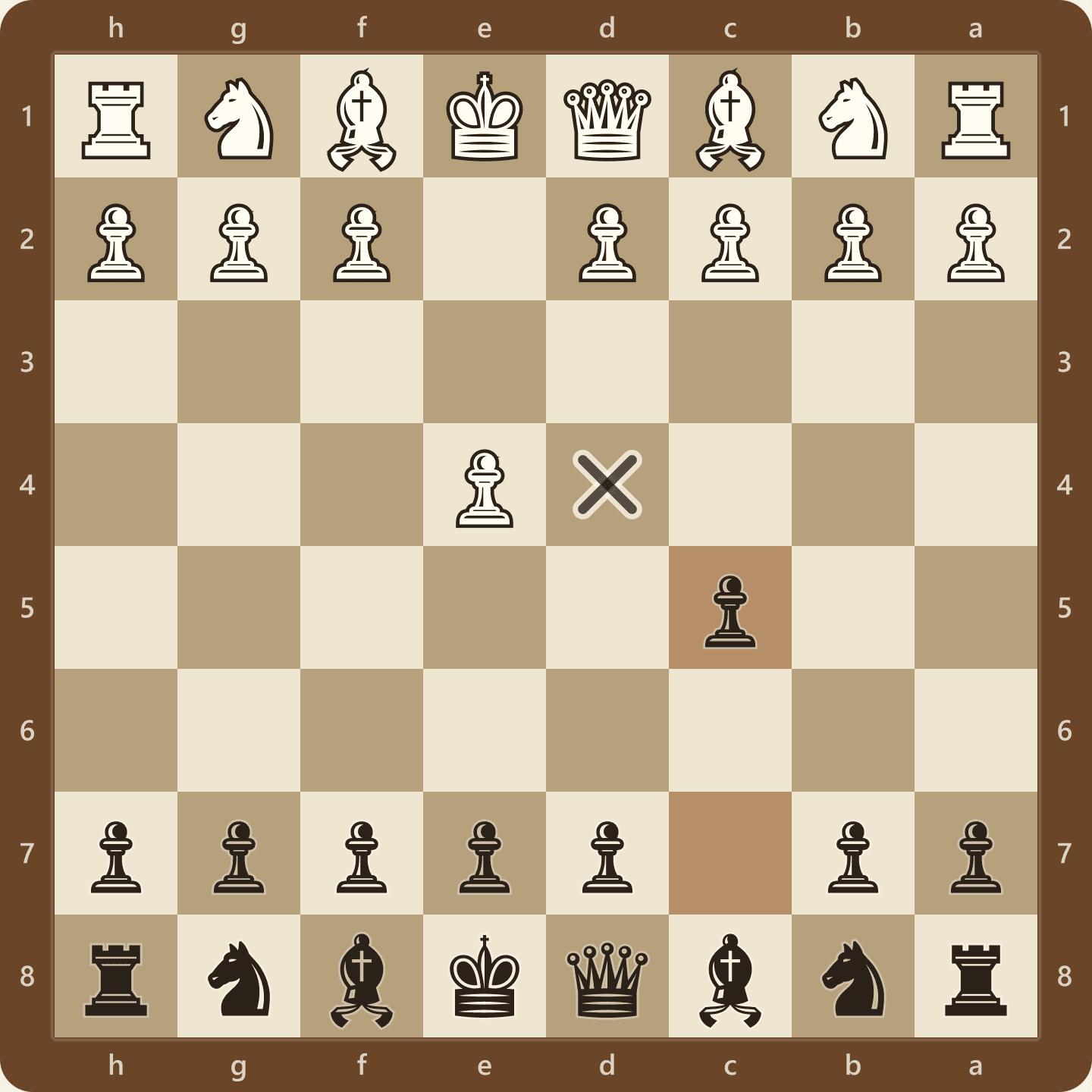
The Sicilian is the only defense in this group that wins its band outright at 1000, scoring 50.8% across 850,797 games. It is also the only one of the five graded A at the 1800 band, where it takes the top tier despite finishing third on raw score, because its blunder rate is the lowest of the group at that level.
The reason it works is that it is asymmetric from move one. Black does not copy White, so the resulting positions have opposite-side plans and the game rarely peters out. The cost is that it has more theory attached to it than any other opening in chess.
Two sub-variations are worth naming. The Najdorf Variation (5...a6) is the most analysed line in the game, played by most elite players including Magnus Carlsen and Alireza Firouzja when they need a win with Black, and it scores 48.4% for Black at the 1800 band on 70,702 games. The Dragon Variation (5...g6) fianchettoes the dark-squared bishop toward White's queenside and scores 48.9% at the 1800 band on 26,111 games, though White's Yugoslav Attack against it is one of the most feared attacking systems in chess. The Accelerated Dragon reaches a similar structure a tempo faster and scores 47.7% at the same band on 67,466 games.
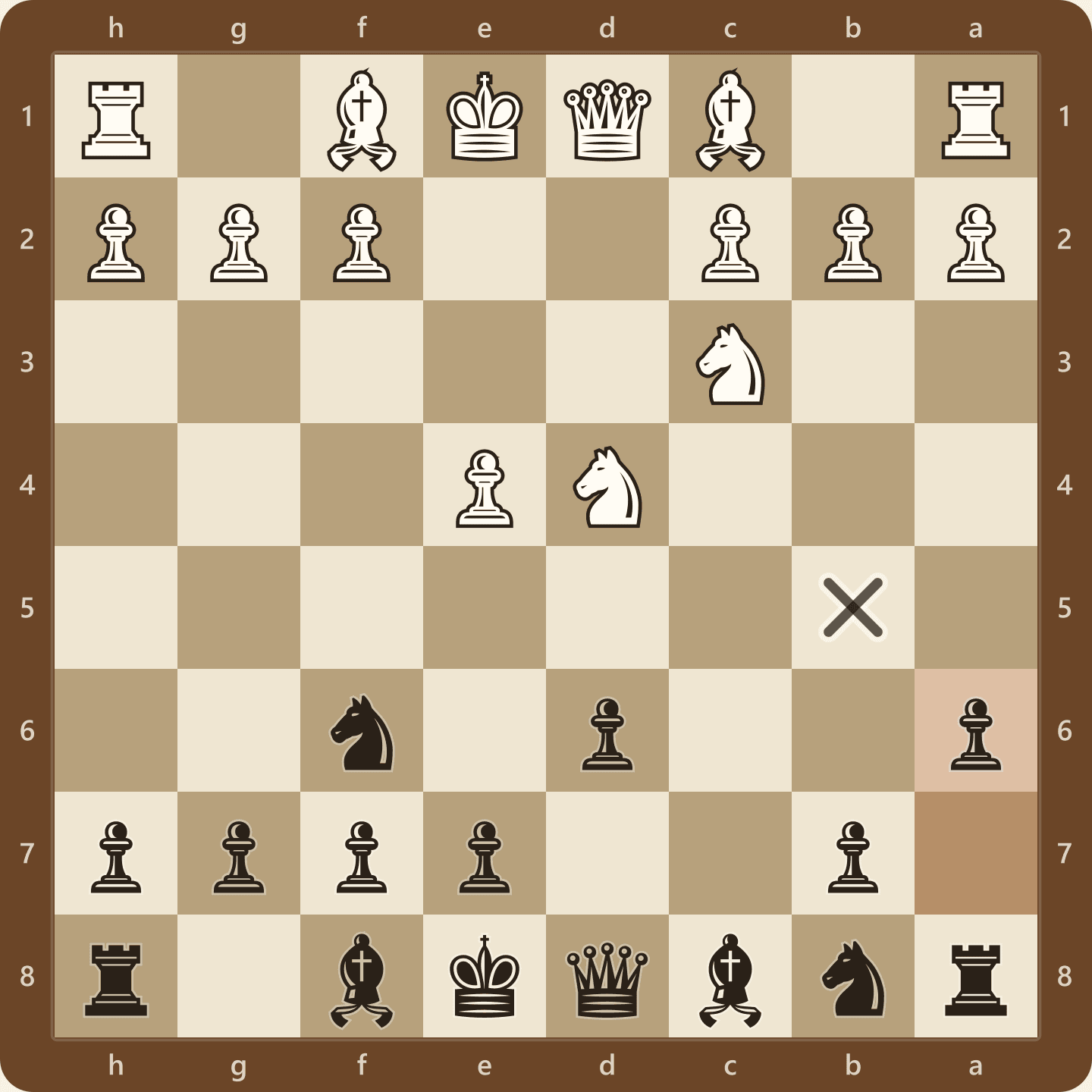
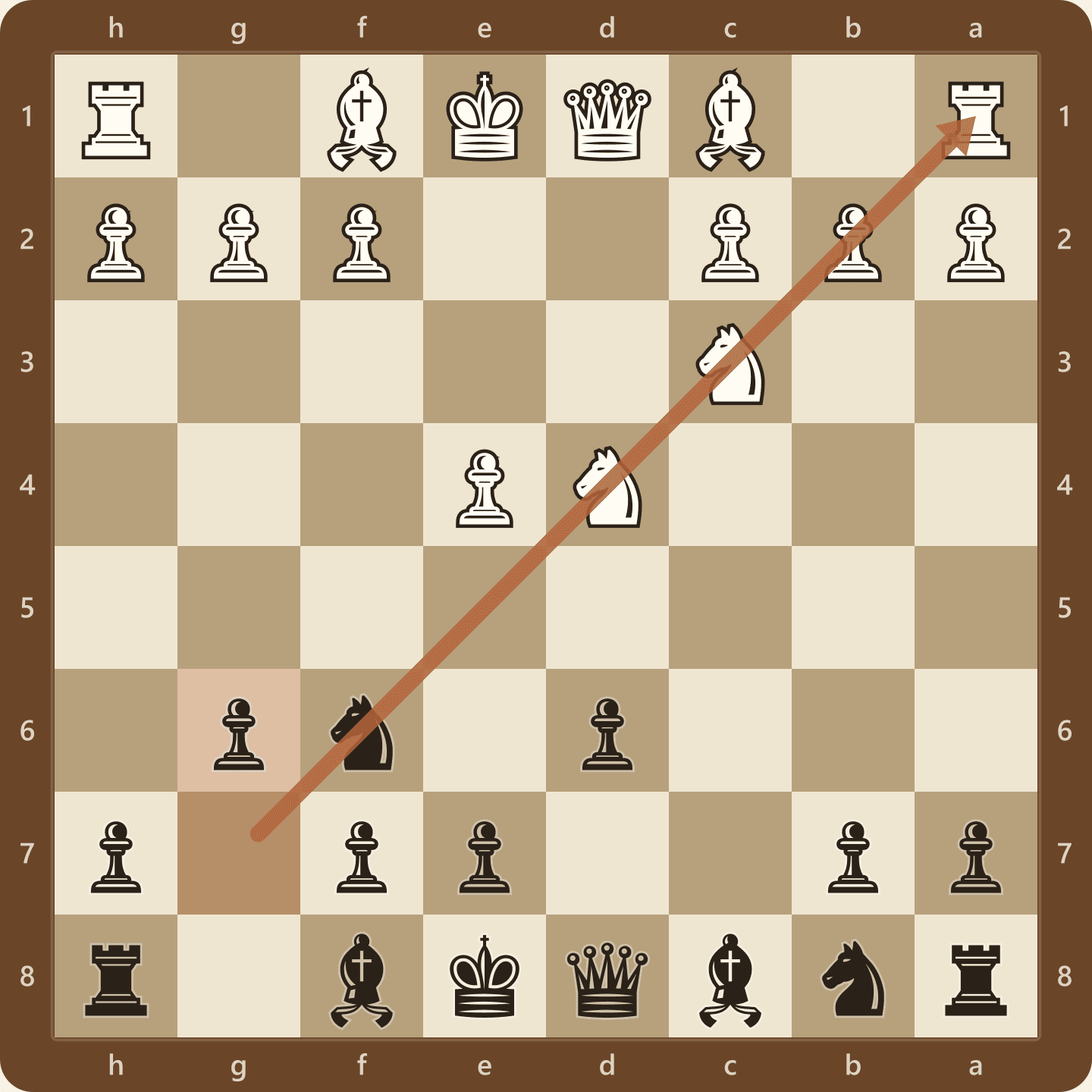
Here is the honest caveat. The Sicilian scores well and demands the most work, and those two facts are connected: the people playing it are disproportionately the people who studied it. A Chessable course or a trawl through ChessBase's Mega Database will hand you the Najdorf's move twenty. It will not hand you the reason those moves are played, and below 1600 the reason matters more.
The French Defense: the fewest disasters
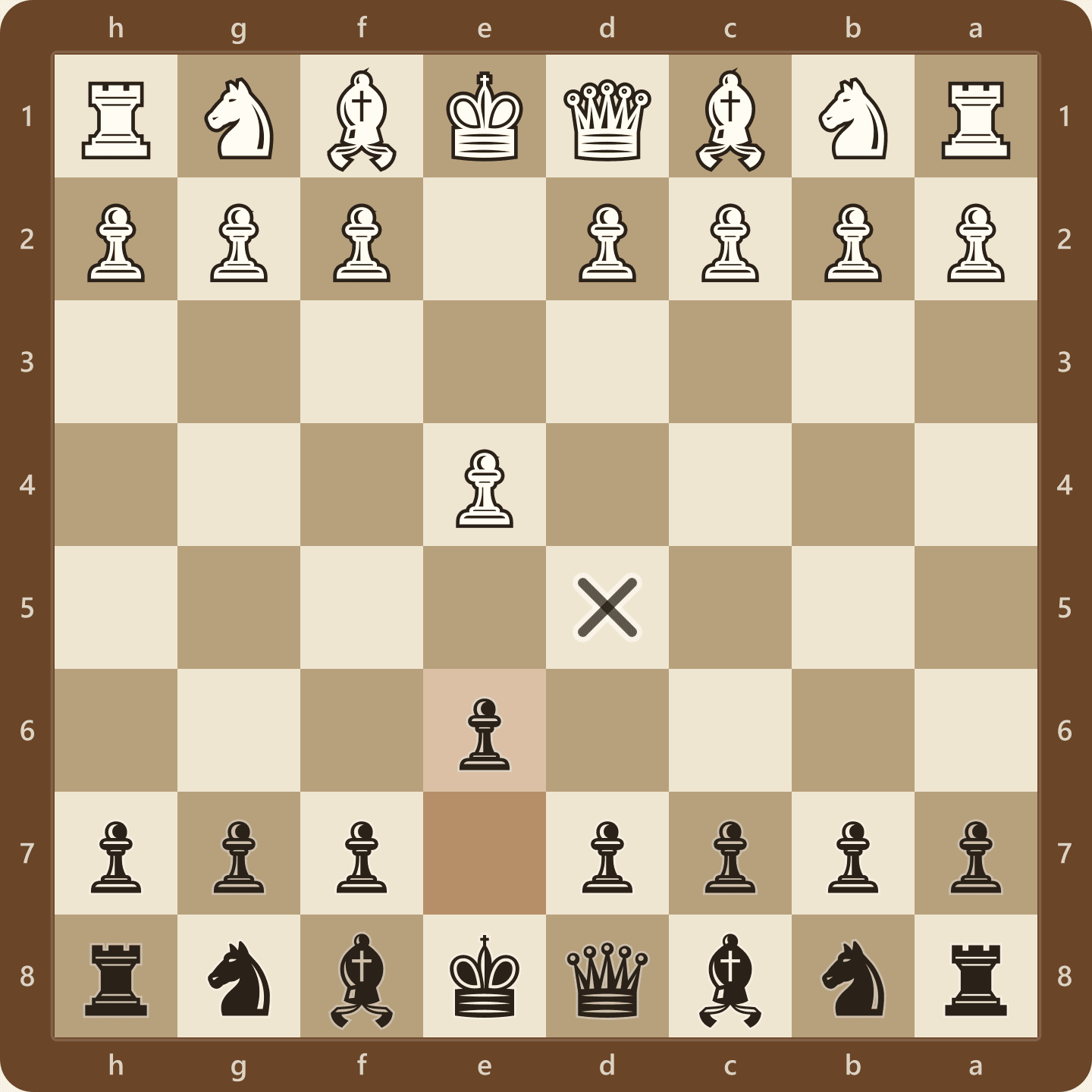
The French finishes third on raw score but takes the top tier grade at both the 1000 and 1400 bands, and the reason is worth understanding: it has the lowest blunder rate of the five. Its structures repeat, its plans are slow, and there are fewer positions in which a single move loses the game on the spot.
It also contains the single best-scoring popular line for Black in this whole comparison. In the Advance Variation, 2.d4 d5 3.e5 c5, Black scores 51.2% at the 1000 band on 85,885 games and 50.5% at the 1800 band on 177,375. That is Black winning the position outright, and it happens because White's advanced pawn chain is easier to attack than to defend at these levels.
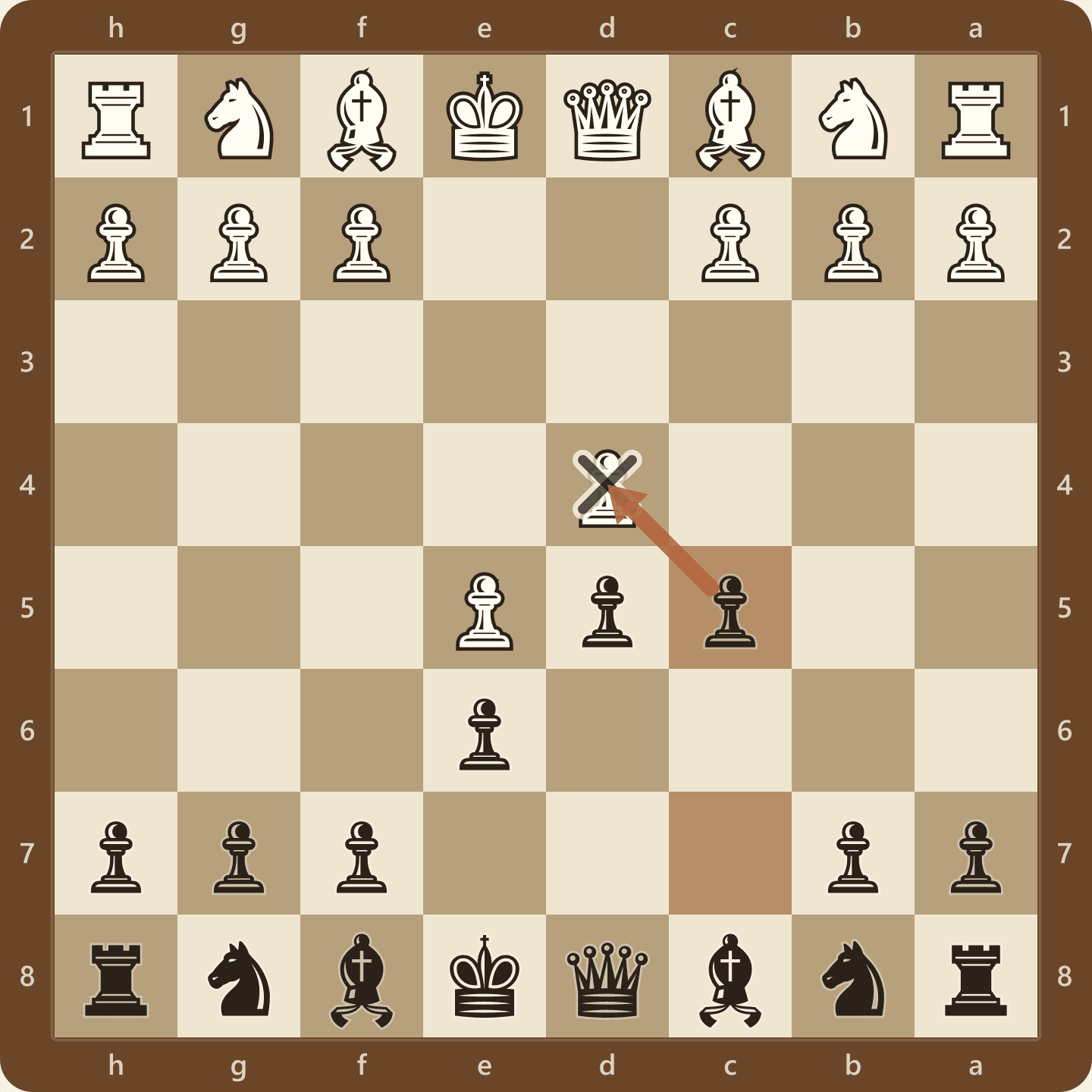
White's other main try is the Tarrasch Variation (3.Nd2), which sidesteps the pin Black gets after 3.Nc3 and leads to quieter play. The French's real cost is the light-squared bishop, which can spend the entire game staring at its own pawns.
The Scandinavian Defense: easy, and it costs you
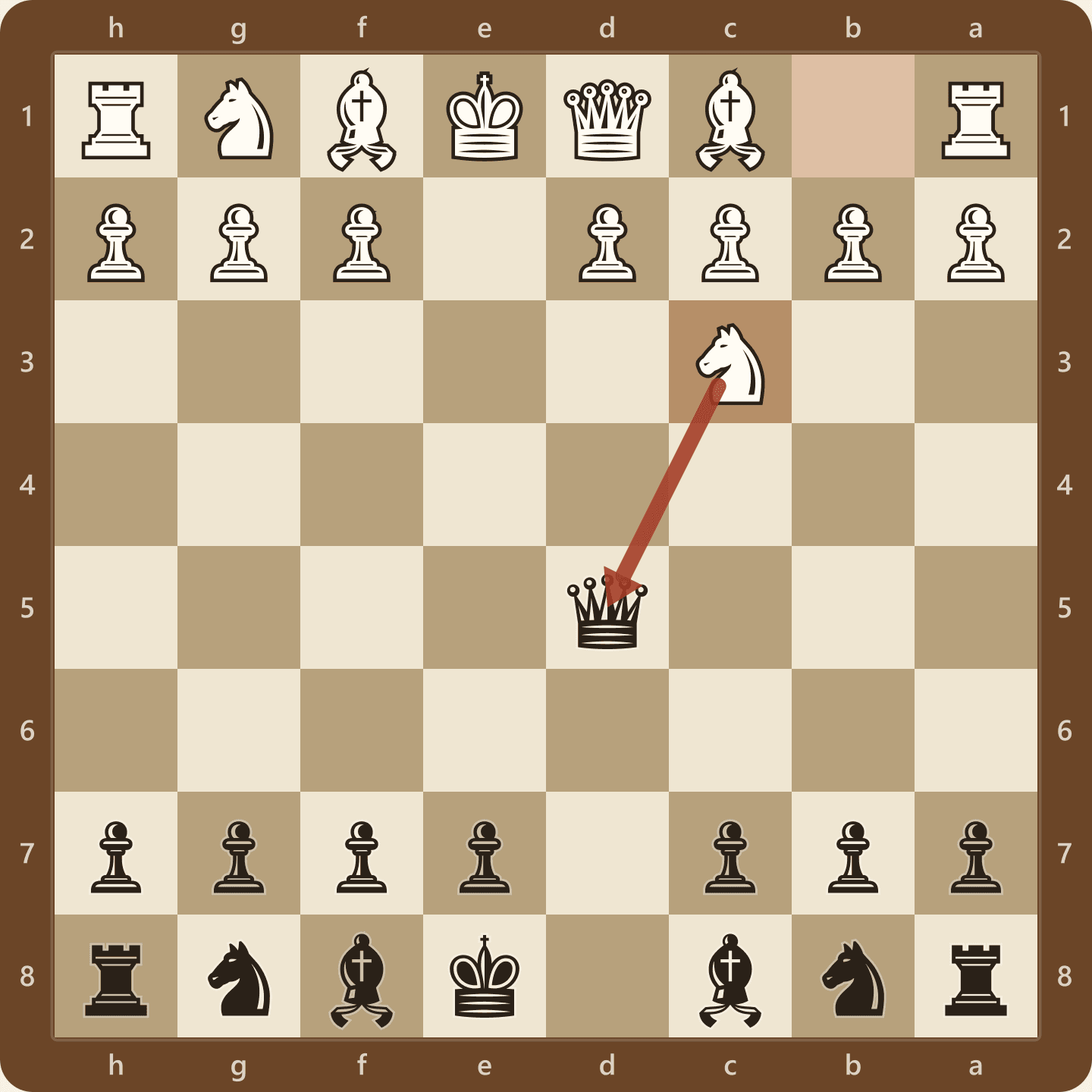
1...d5 is the most recommended "easy" answer to 1.e4, because Black gets one clear plan and White has almost no way to avoid it. The data agrees that it is playable and disagrees that it is a good deal.
The Scandinavian scores 48.1% and 48.2% at the 600 and 1000 bands, two to three points behind the Caro-Kann, across 306,387 and 947,614 games. It improves to 49.4% and 49.6% higher up, which fits the pattern: once Black knows where the queen belongs after it gets chased, the tempo loss stops mattering as much.
Two to three percentage points is a real cost for a saving of maybe an hour of study. If low theory is what you want, the Caro-Kann gives you almost the same simplicity and a better score.
1...e5, and why the most popular reply is the worst
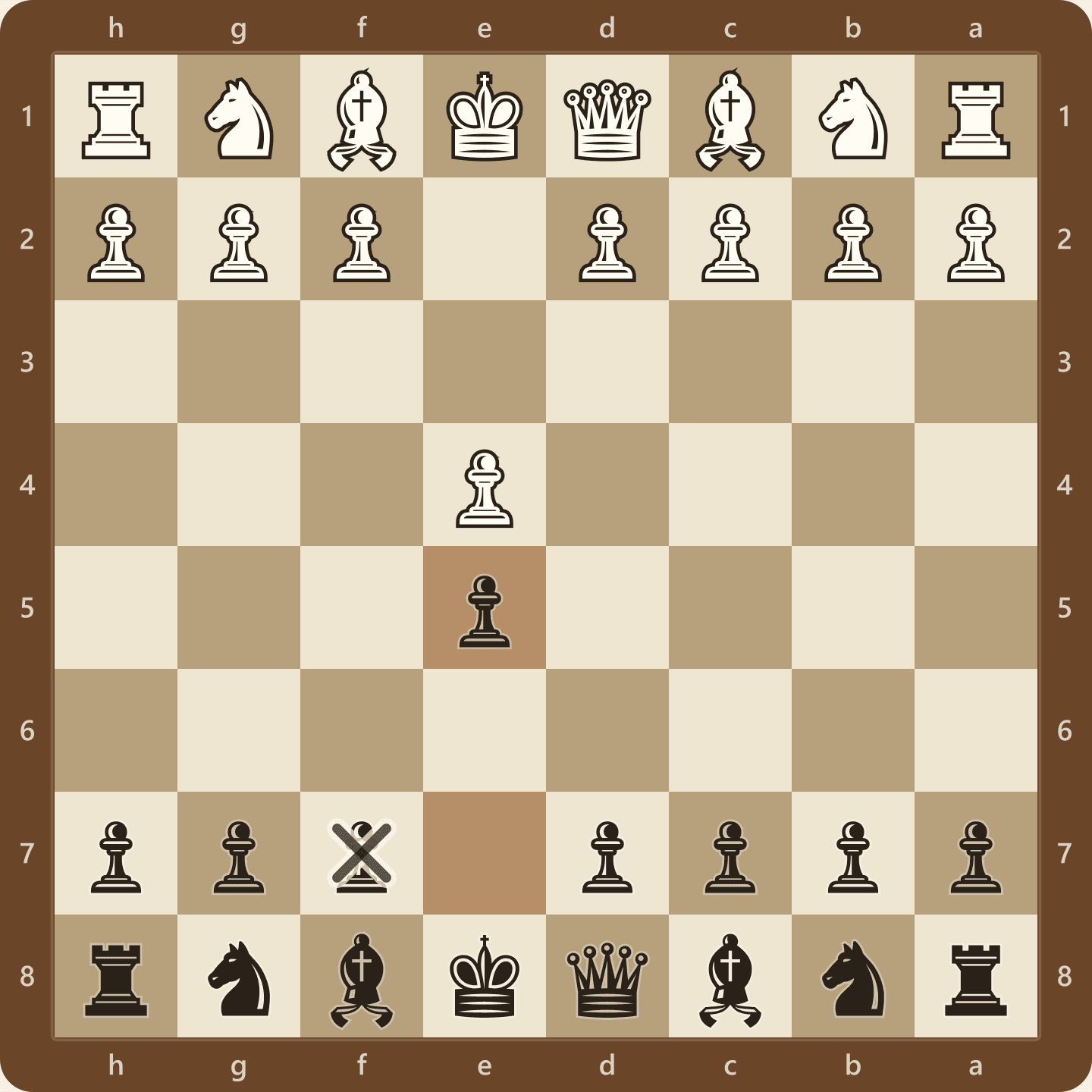
1...e5 scores 46.9%, 47.1%, 47.3% and 47.1% across the four bands, on samples up to 5,115,257 games. It is not close. Three explanations do most of the work.
Black walks into White's best-prepared systems. After 1...e5 White chooses between the Italian Game, the Ruy Lopez, the Scotch Game and the King's Gambit, and every one of those is a well-mapped attacking system that a club player has probably studied. The Ruy Lopez alone gives White 53.6% at the 1000 band on 369,070 games.
f7 is the weakest square on the board. It is defended only by the king at the start of the game, and symmetrical openings point White's bishop straight at it. That is the mechanism behind the whole family of quick attacks people meet at beginner level.
Black's two most popular ways out of the Open Games both score badly. The Two Knights Defense (3.Bc4 Nf6) gives Black 44.6% at the 1000 band on 375,890 games. The Petrov Defense (2...Nf6), the classic "solid" choice, gives Black 44.4% on 301,435 games at the same band. Neither is the safe harbour it is sold as.
None of this makes 1...e5 a bad move to learn. Open positions teach tactics faster than any other kind, and tactics decide games below 1600. It just means you are paying about three percentage points for that education.
What about the Pirc and the Modern?
Both are respectable and both sit between the Scandinavian and 1...e5. The Pirc Defense (1...d6) scores 48.5% for Black at the 1000 band on 321,699 games. The Modern Defense (1...g6) scores 49.2% on 201,267. They let White build a big pawn centre and plan to undermine it later, which is a coherent strategy and a demanding one. Neither beats the top three, and both are harder to play well than the Caro-Kann.
The verdict
Frequently asked questions
Frequently asked questions
What is the best counter to e4 in chess?
The Caro-Kann Defense (1...c6) on raw score, taking three of the four rating bands at 51.0%, 50.5%, 50.9% and 49.9% for Black. The Sicilian Defense (1...c5) is close behind and wins the 1000 band outright at 50.8%. Both push Black above 50% at most bands, which is rare for the side that moves second.
What is the e4 c6 opening for black?
1.e4 c6 is the Caro-Kann Defense. Black plays the c-pawn one square so that d5 can follow next move with support, contesting the centre without the light-squared bishop getting trapped behind its own pawns the way it does in the French. It is the best-scoring reply to 1.e4 in the Lichess data, and it needs less memorisation than the Sicilian.
What's a good opening against e4 as black?
For most improving players, the Caro-Kann. It scores highest of the five main defenses at three of four rating bands, has one clear plan against White's most common setup, and its main line requires far less study than the Sicilian. If you would rather play sharp positions with winning chances in every game, take the Sicilian instead and accept the study load.
What is the strongest black opening in chess?
Against 1.e4, the Caro-Kann on score and the Sicilian on tier grade at higher levels. Against 1.d4, the picture is different, and the counterattacking Indian setups outperform the classical ones. There is a separate breakdown in best openings for Black against 1.d4.
Is 1...e5 really a bad reply to 1.e4?
It is the worst-scoring of the five main defenses at every rating band, at 46.9% to 47.3% for Black, roughly three points behind the Caro-Kann. That is not the same as bad. It leads to open positions that teach tactics faster than anything else, which is the skill that improves an amateur's results most. It is a good learning choice and a poor rating choice.
Which defense should I pick for my playing style?
If you like attacking and are willing to study, the Sicilian. If you like solid positions with clear plans and want to avoid memorisation, the Caro-Kann. If you would rather grind than gamble, the French, which has the lowest blunder rate of the group. Style matters less than commitment though: the score difference between these three is under one and a half points, while switching openings every month costs far more.
Read next
- The other side of the board: 1.e4 vs 1.d4 and the best first move in chess
- Facing the queen's pawn: best openings for Black against 1.d4
- Deeper on the winners: the Caro-Kann Defense, the Sicilian Defense and the French Defense
- The direct head-to-head: Caro-Kann vs French Defense
- Sharp options if you want them: the best chess gambits, ranked
- Every line graded: the chess opening tier list, chess opening win rates and best chess openings